
Planning a Dock System for Year-Round Use: What to Consider Before You Build or Upgrade
Planning a dock system often starts with summer in mind, but long-term performance depends on how well the design accounts for year-round conditions. Seasonal water level changes, shoreline characteristics, weather exposure, and ice movement all influence how a dock behaves over time.
Taking these factors into account before building or upgrading helps reduce ongoing maintenance, extend the life of your dock, and avoid costly retrofits later.
Start With How You’ll Use Your Dock
The way your dock will be used should guide its design from the outset. Boat size, frequency of use, swimming access, and foot traffic all place different demands on a dock system.
It’s also worth thinking ahead. Planning for potential expansion now makes it easier to adapt later without rebuilding sections or reworking connection points.
Understand Your Shoreline and Water Conditions
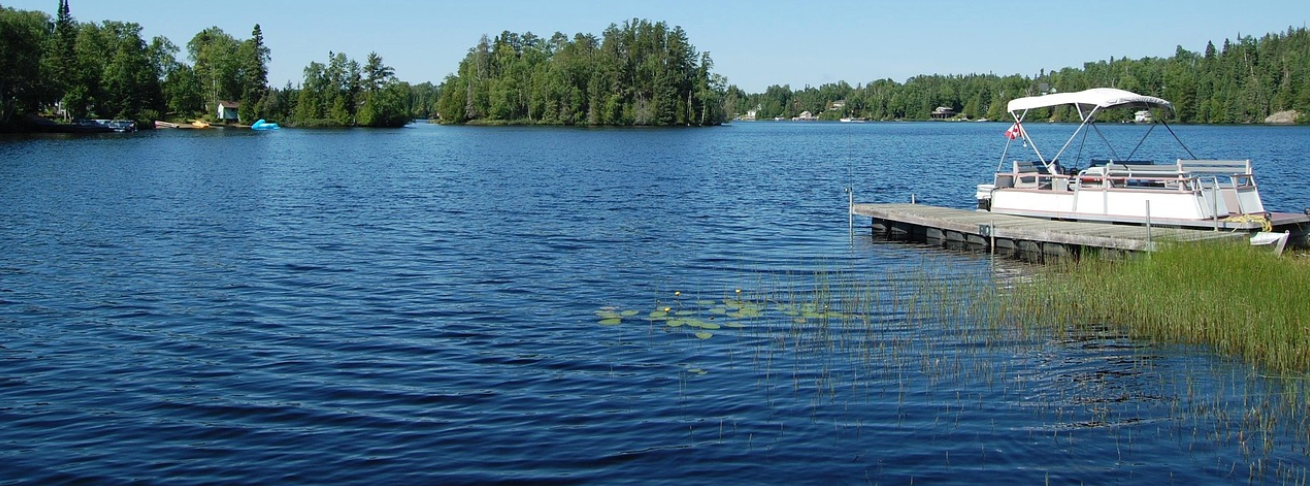
Shoreline and water conditions vary widely across Ontario and can shift throughout the year. Spring snowmelt and rainfall often cause water levels to rise before stabilizing later in the season, which can affect dock height, access, and anchoring.
Conservation Authorities monitor these seasonal changes as part of floodplain and shoreline management, particularly during spring runoff when water movement and shoreline stress are most pronounced. Understanding how water behaves at your site is critical when planning docks near shorelines that experience seasonal variability.
Water depth and bottom composition also matter. Soft sediment, uneven lakebeds, and rock shelves all influence which dock systems will perform best and how anchoring should be approached.
Choose a Dock Type That Matches Your Environment
Dock systems generally fall into two categories: fixed and floating.
Floating docks rise and fall with changing water levels, making them well-suited for lakes with noticeable seasonal variation. Fixed docks can work well in shallower, more stable areas but may experience greater stress where water levels fluctuate significantly.
Matching dock type to shoreline conditions helps reduce alignment issues and improves long-term performance.
Plan for Seasonal Change Before It Becomes a Problem
Seasonal stress on docks doesn’t begin or end with winter. Freeze-thaw cycles, spring ice break-up, and late-season water movement all place pressure on dock structures and connection points.
Understanding
how winter ice damages docks provides important context when planning spacing, attachment points, and structural flexibility before construction begins. Designing with these forces in mind helps prevent shifting, misalignment, and premature wear over time.
Think Carefully About Anchoring and Connection Points
Anchoring systems and shoreline connections are often the first areas to show signs of stress. Fluctuating water levels, wave action, and soil movement all affect how these points perform over time.
Provincial shoreline guidance notes that changing water levels and wave energy contribute to gradual erosion, particularly near developed shorelines where docks and access points concentrate stress.
Local Conservation Authorities also emphasize careful shoreline planning to reduce erosion and protect adjacent lands where docks connect to shore. Planning anchoring systems that allow for controlled movement without transferring stress back to the dock improves stability and longevity.
Plan Ahead for Protection and Maintenance
Good dock planning considers not only current use, but how the system will be protected and maintained over time.
Allowing space for winter protection, accounting for seasonal installation and removal, and planning access for maintenance all make ongoing care more manageable.
Thinking ahead to how you prepare your dock and boat lift for winter during the design phase helps streamline seasonal transitions later.
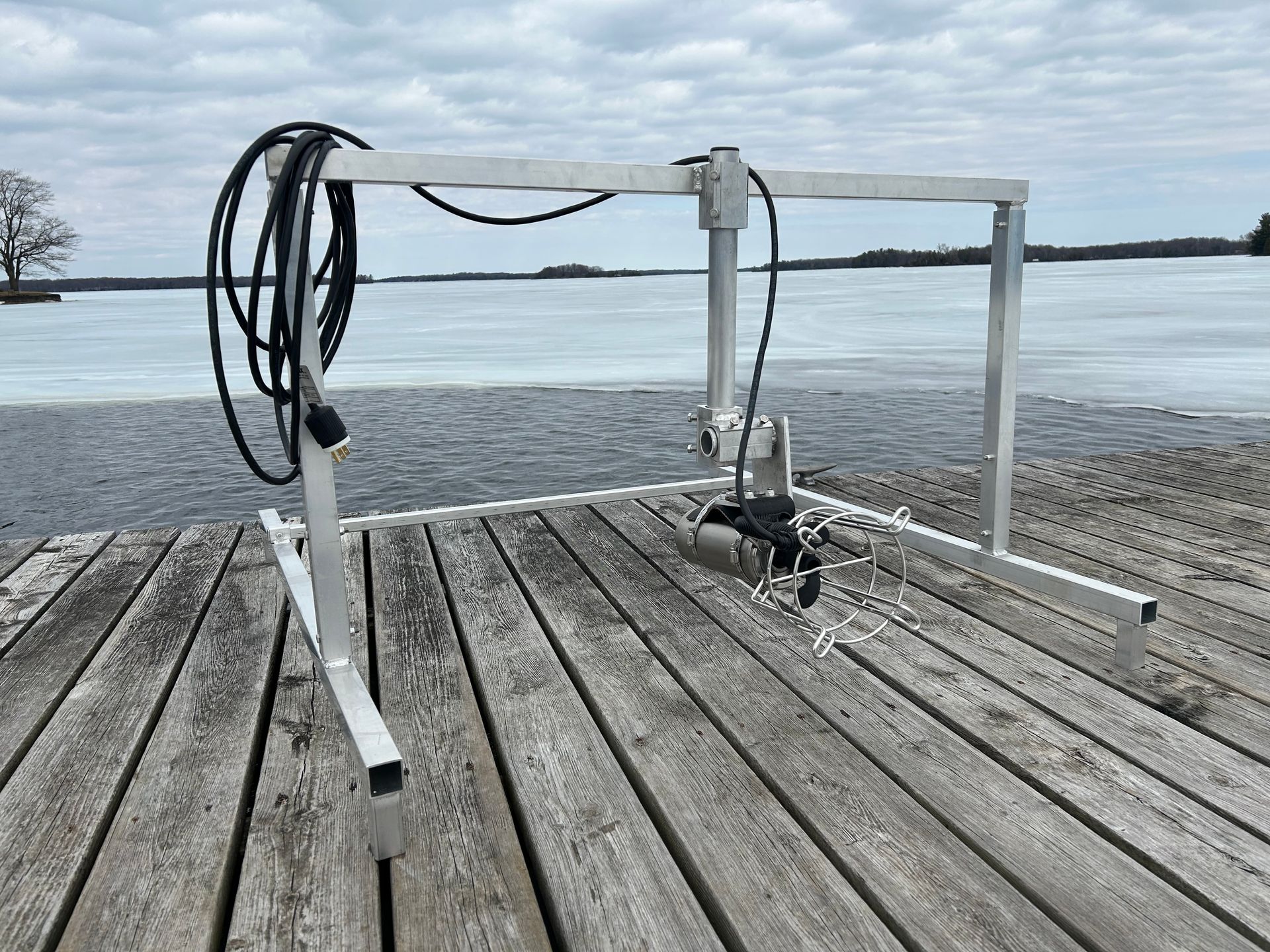
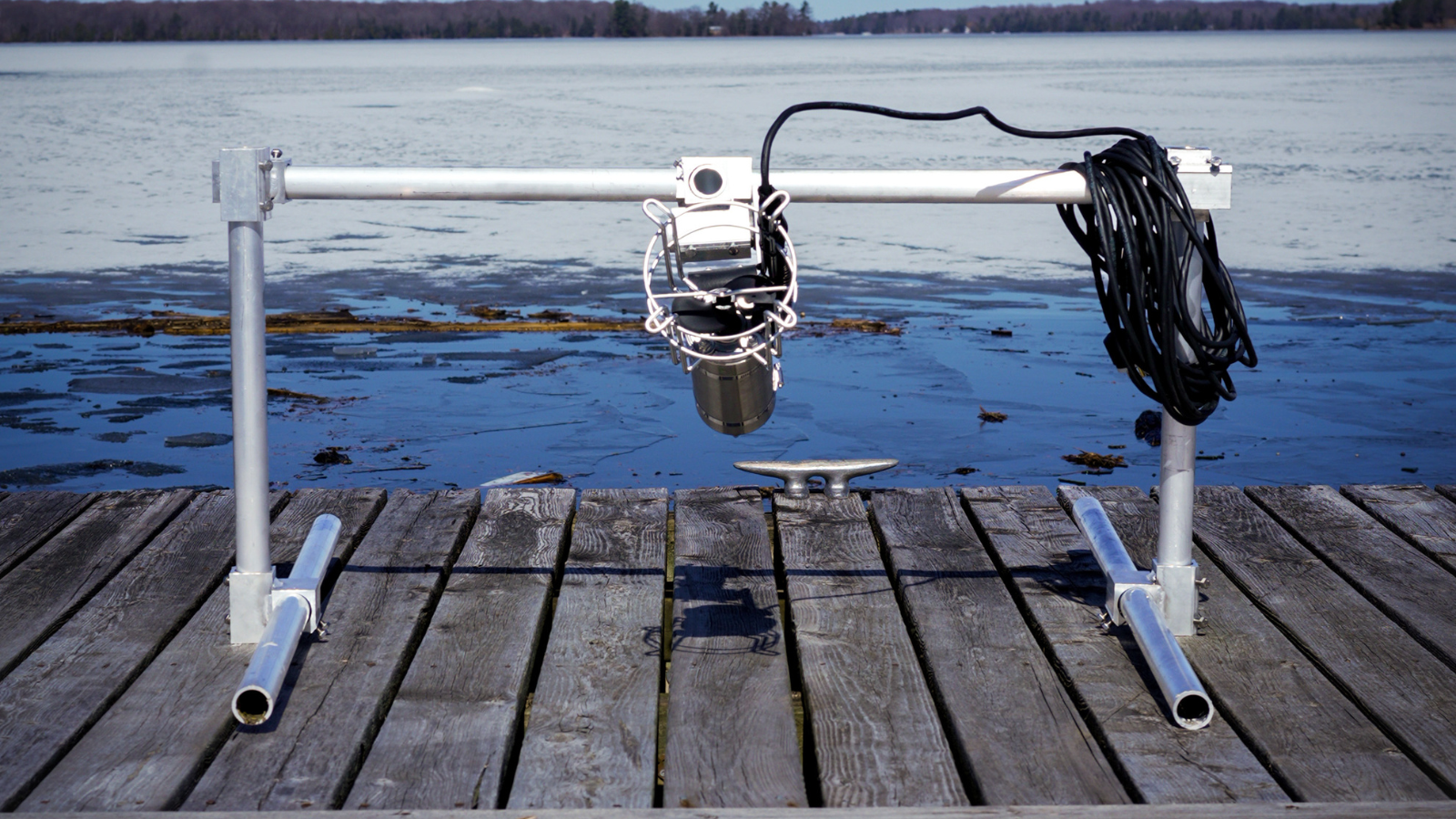
Early planning also makes it easier to evaluate future protection needs, including
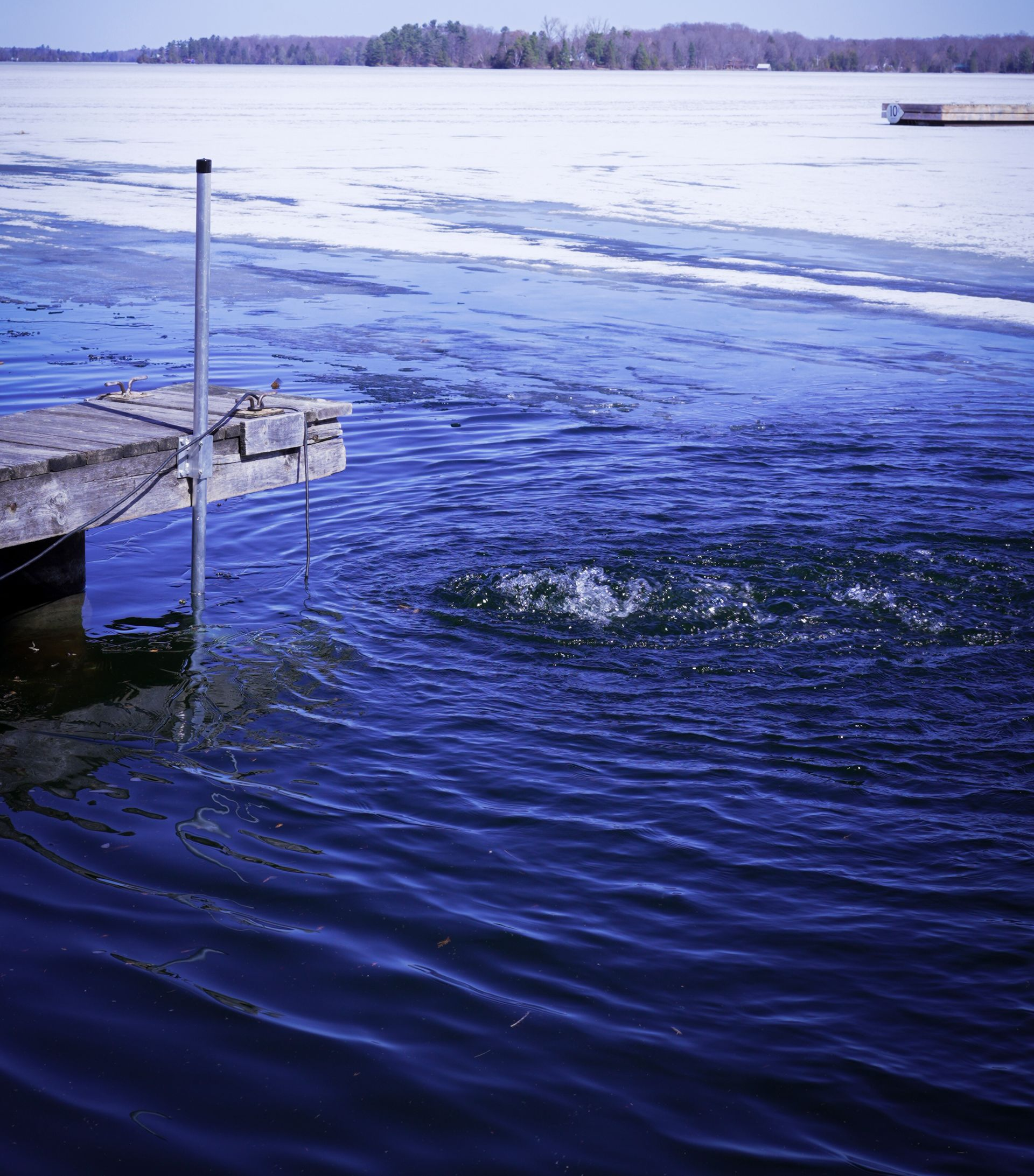
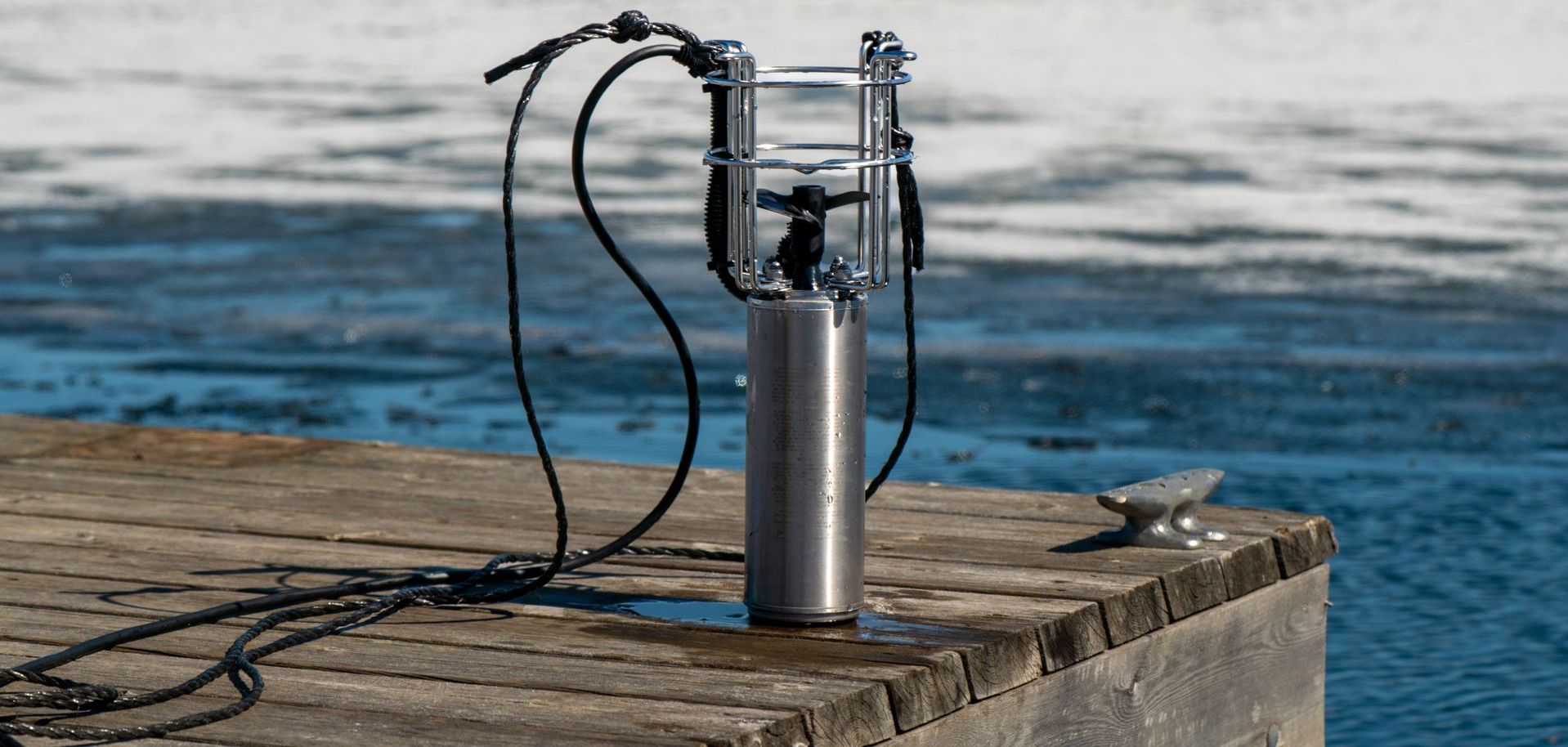
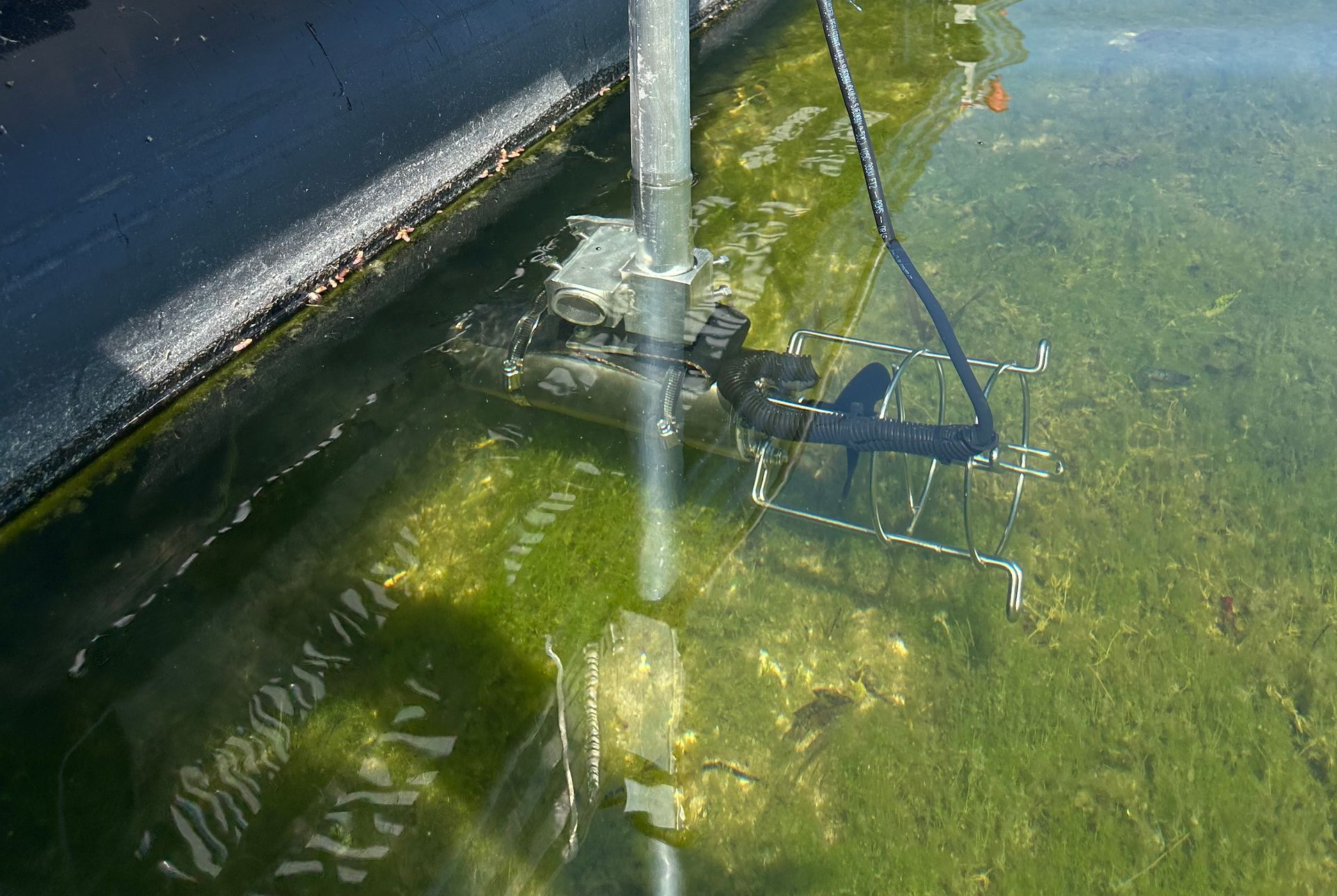
choosing the right size dock de-icer if winter protection becomes part of your long-term strategy.
Planning a dock system for year-round use means looking beyond summer and accounting for how water, shoreline, and seasonal conditions affect performance over time. By aligning dock design with real-world conditions and long-term needs, waterfront owners can reduce maintenance issues and improve durability.
Thoughtful planning upfront leads to a dock system that performs reliably across seasons and adapts more easily as conditions change.