
Where to Place a Dock De-Icer for Maximum Ice Protection
Installing a dock de icer is one of the most effective ways to protect your dock, boat lift, and shoreline during winter. But choosing the right unit is only part of the equation. Where you place your dock de icer plays a major role in how well it prevents ice damage.
Ice pressure is rarely uniform across a lake. It shifts with wind, current, changing water levels, and early freeze conditions, which is why ice behaviour can vary dramatically even within the same waterfront. Ontario travel and safety guidance also stresses that conditions can change quickly and thin ice can be hidden, especially early season, which is one reason open water areas should be created and maintained intentionally.
This guide breaks
down why placement matters, where dock de icers work best, and the common installation mistakes that can limit protection.
Why Dock De Icer Placement Matters
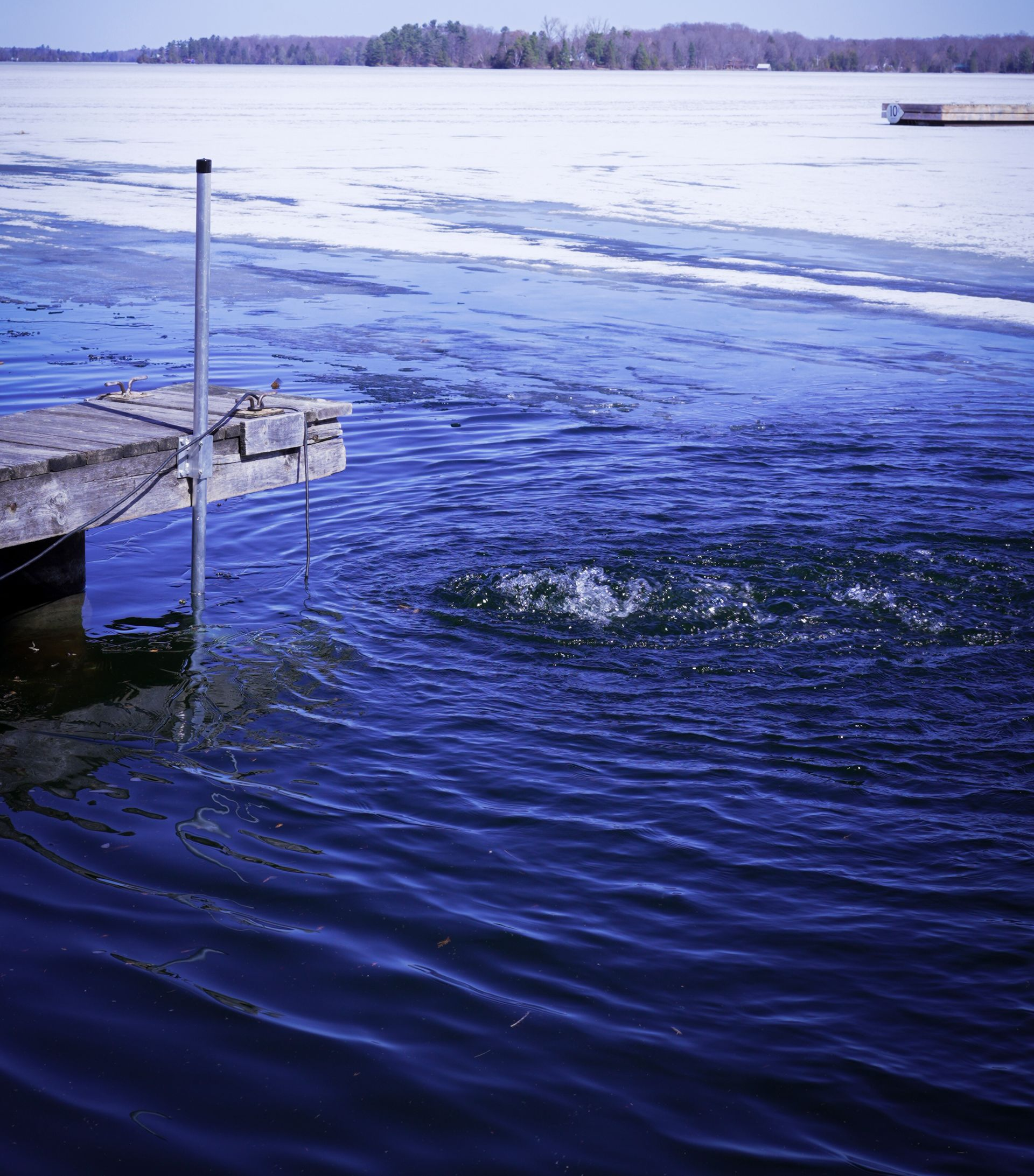
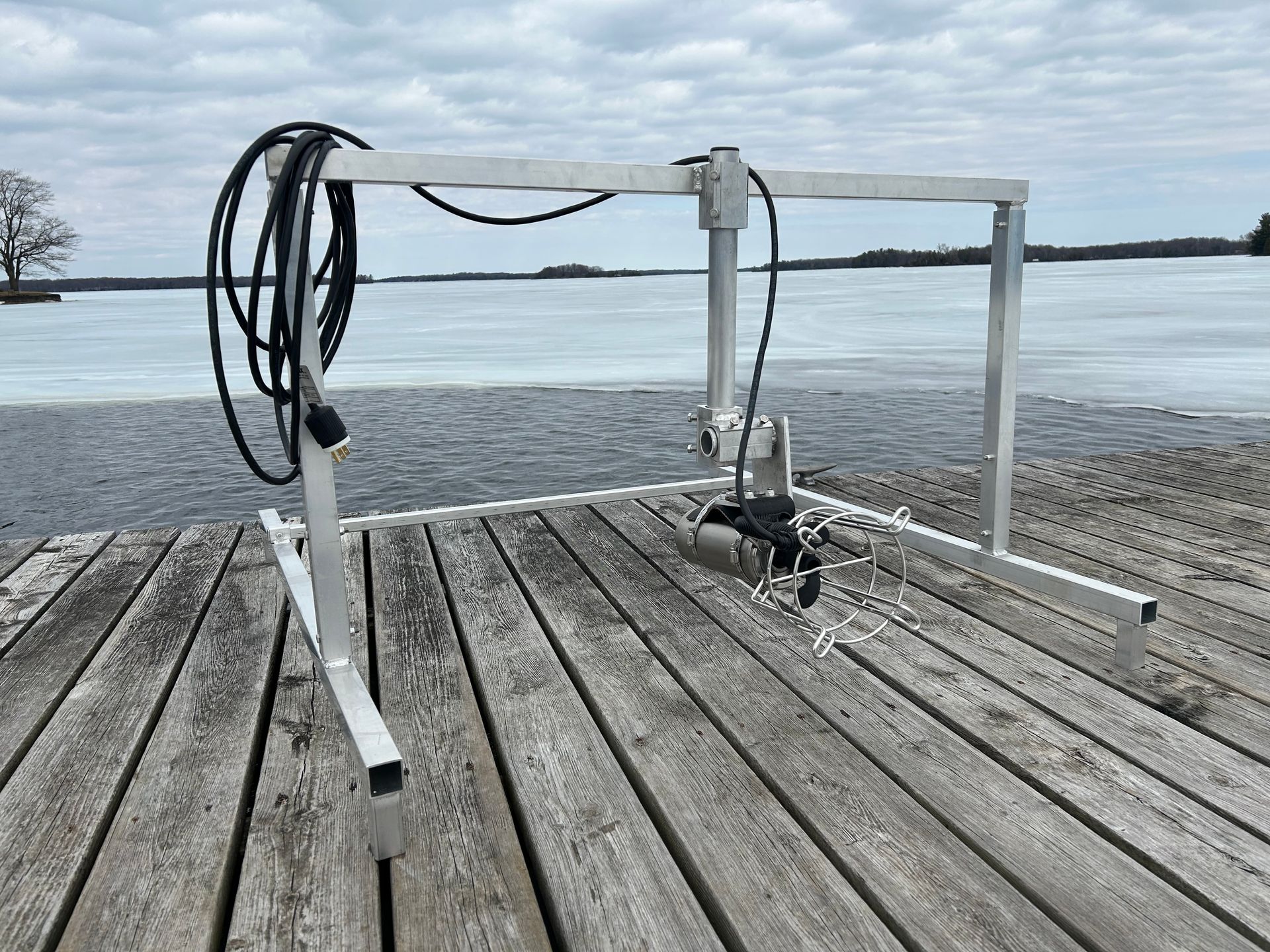
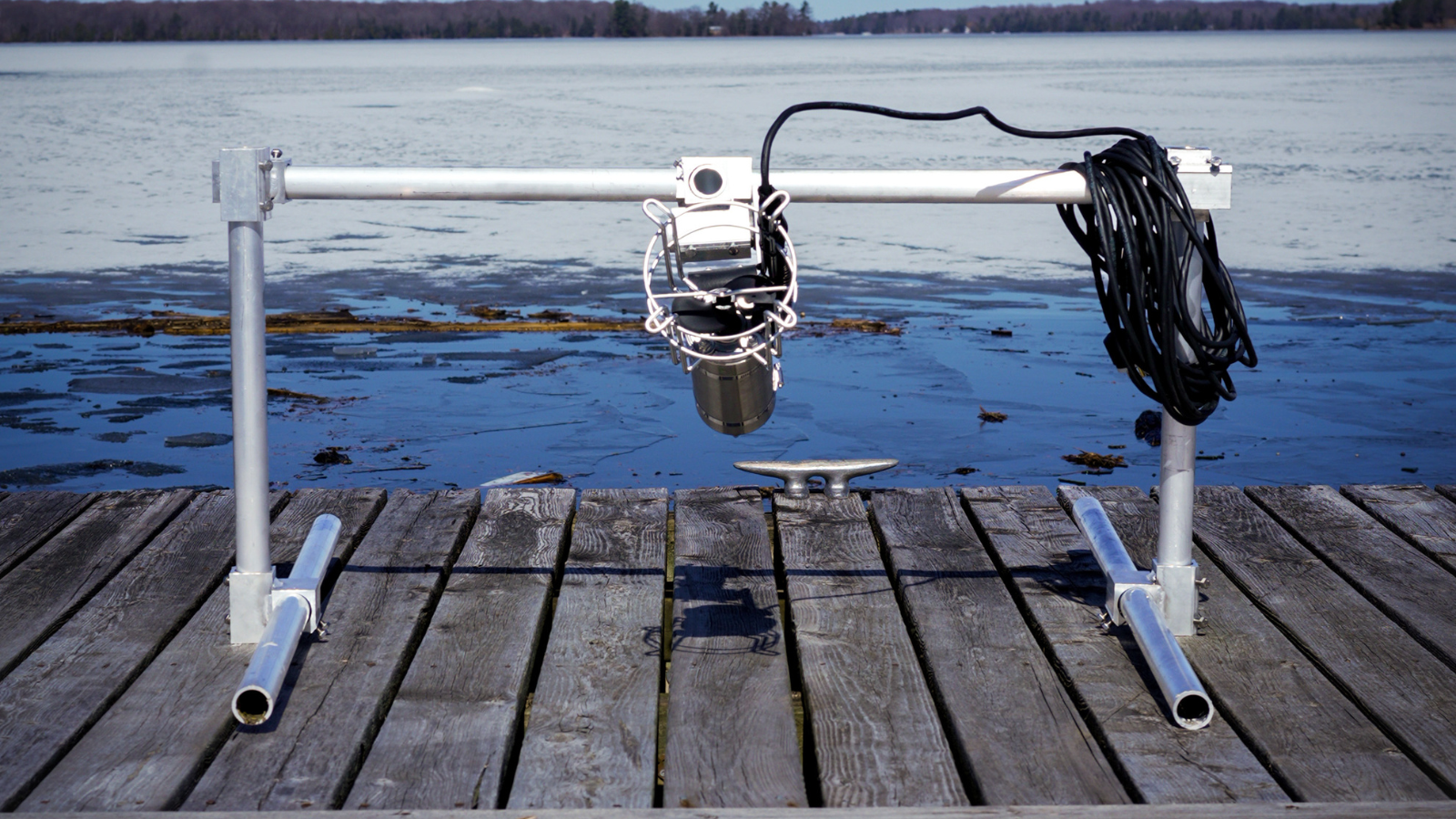
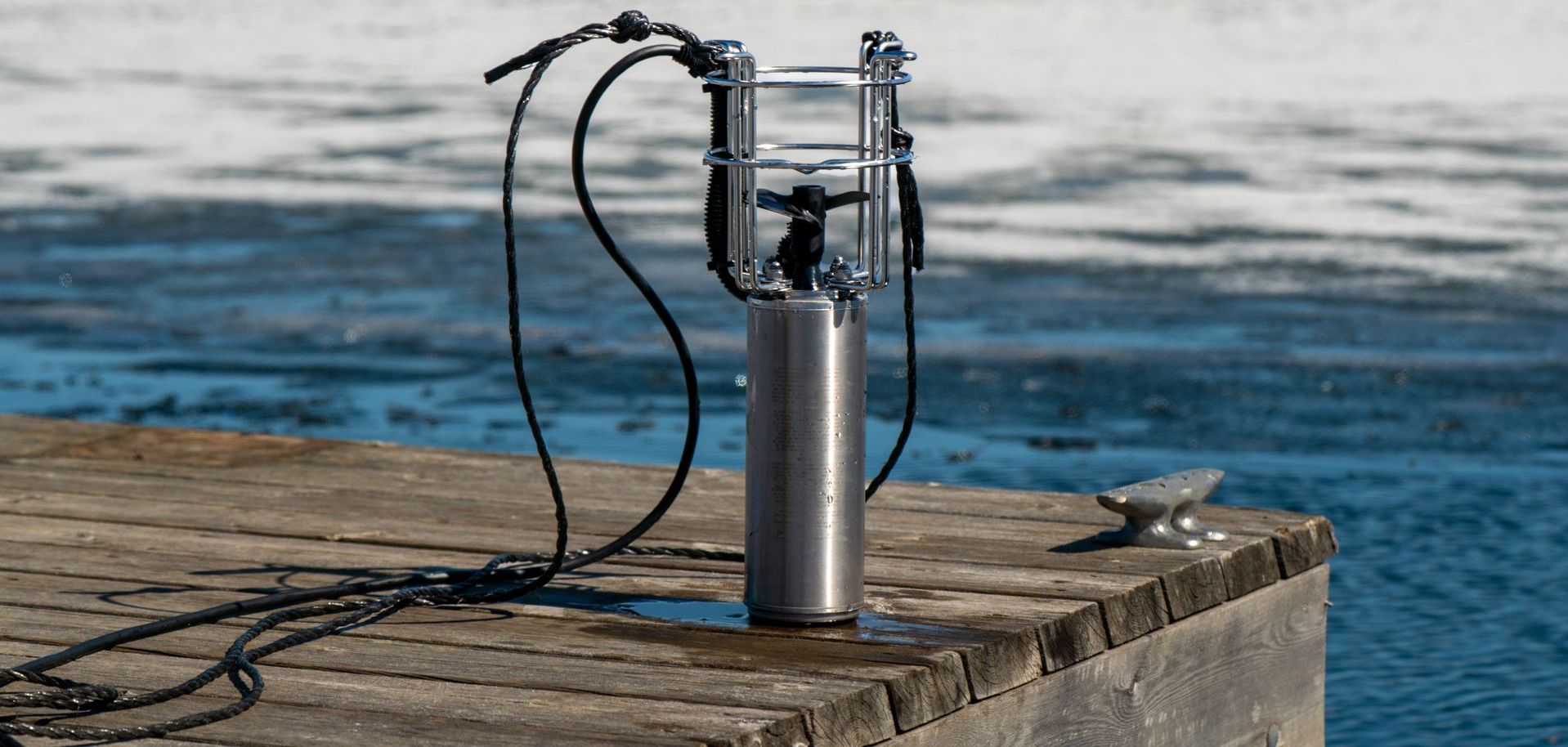
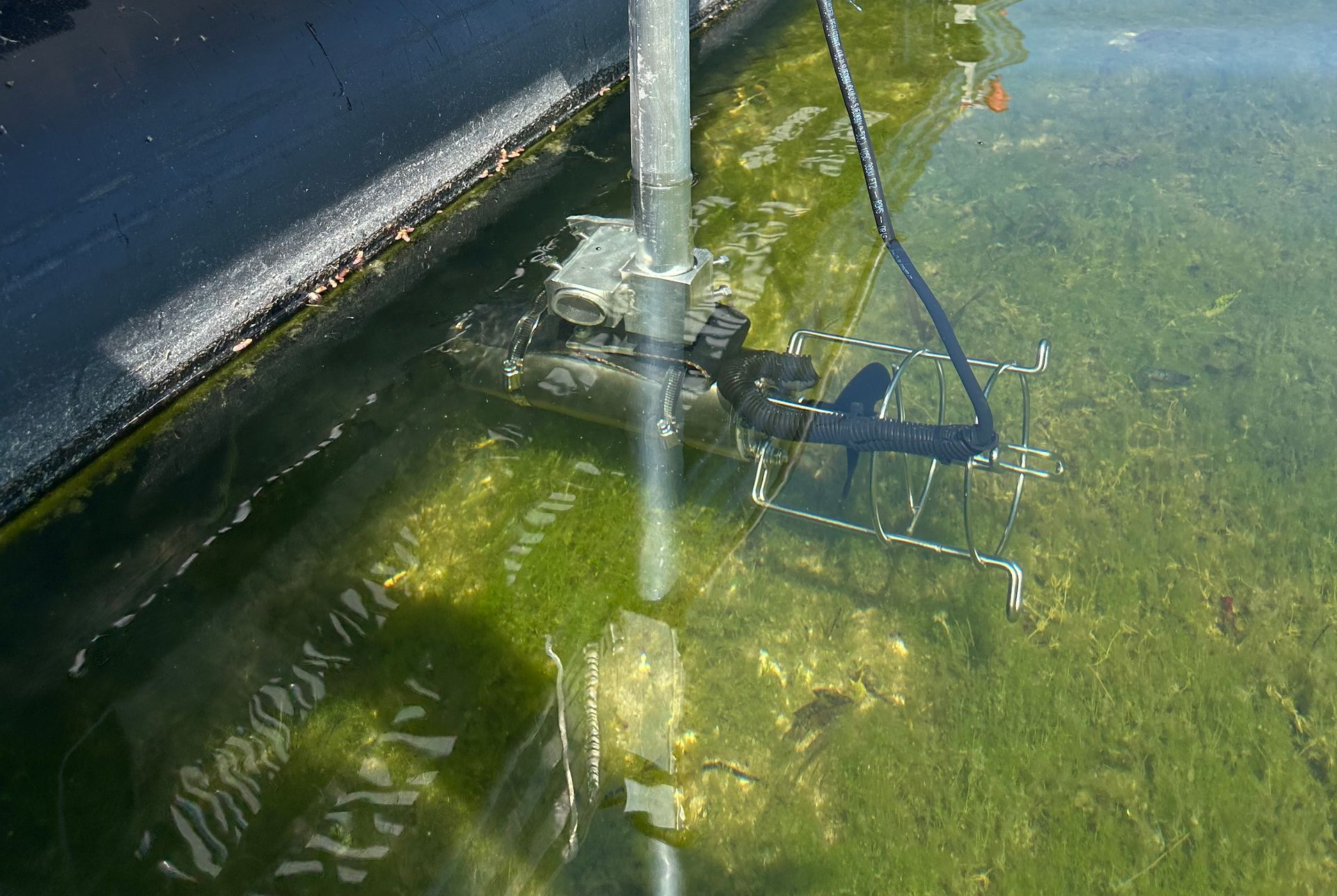
Dock de icers (often called bubblers) do not heat the water. They work by circulating slightly warmer water from below the surface, reducing the likelihood of thick, solid ice forming around the areas you are trying to protect.
When circulation happens in the wrong place, ice can still grip pilings, lock floating docks in place, or apply pressure during freeze thaw cycles. Over time, that can lead to cracking, shifting, and structural stress. Learn more about these mechanics
here.
General Rules for Dock De Icer Placement
Before getting into dock specific layouts, there are a few core placement principles that apply across most waterfronts.
Depth comes first
A dock de icer must be positioned deep enough to pull in warmer bottom water, but not so deep that circulation becomes inefficient.
- Too shallow and water movement is weak
- Too deep and energy is wasted without improving results
Depth requirements vary by site, but the goal stays the same: consistent circulation where ice causes stress.
Maintain space from dock structures
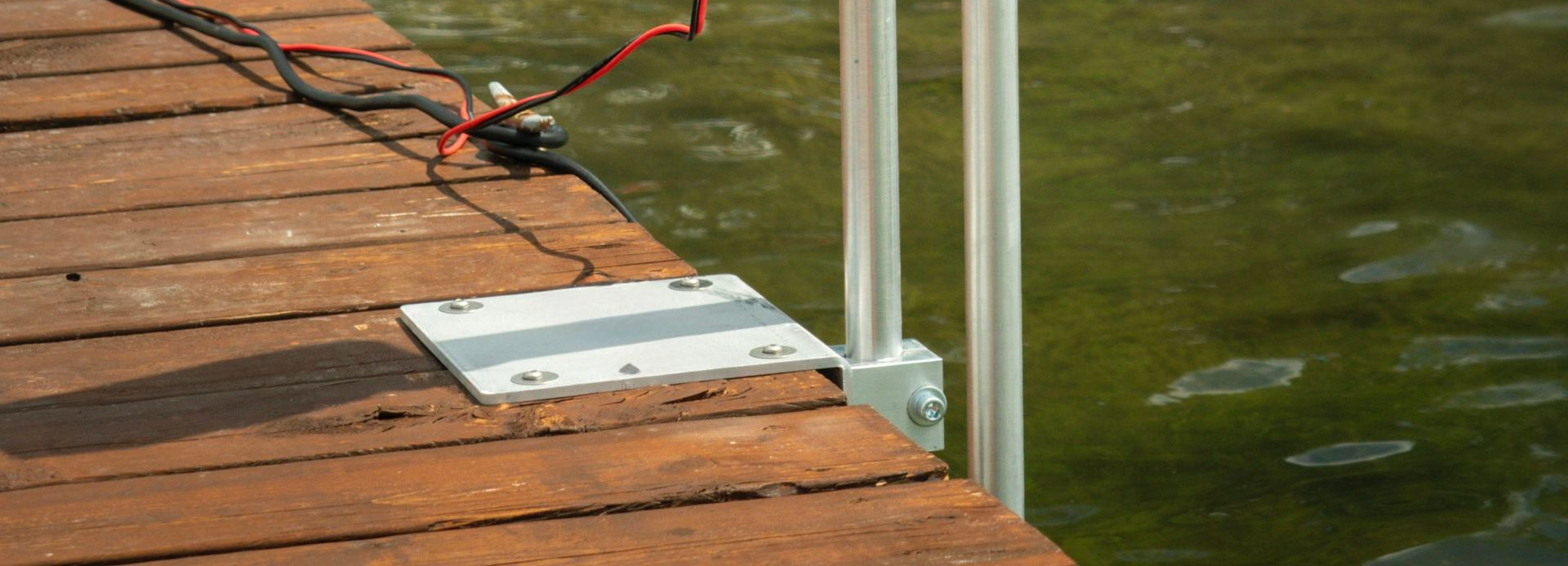
De icers should not be placed directly against dock frames, cribbing, or pilings.
Proper spacing:
- Reduces vibration and wear on dock components
- Encourages circulation to spread outward through the protection zone
- Helps prevent ice pressure from being redirected back toward the dock
Dock De Icer Placement by Dock Type
Fixed docks
Fixed docks often take the brunt of ice pressure around pilings and crib structures, especially where the dock meets the shoreline.
Best practices include:
- Placing the de icer slightly offset from pilings, not directly beneath the walking surface
- Targeting areas where you have seen the worst ice grip in past winters
- Using multiple units for long docks rather than concentrating everything in one pocket
Floating docks
Floating docks need to remain free to move as water levels change.
Effective placement typically:
- Positions the de icer beneath or just beside the dock depending on depth
- Prevents ice from forming between floats and rigid connection points
- Avoids hinges, gangways, and tight hardware zones
Docks with boat lifts
Boat lifts often require targeted protection even when the dock itself is covered.
Key considerations include:
- Protecting lift legs, motors, cables, and cradles
- Avoiding placement that pushes ice toward lift components
- Coordinating placement as part of overall winter shutdown
For more information on protection for docks with boat lifts and winter planning, click here.
Common Dock De Icer Placement Mistakes
Most problems come down to placement errors, not equipment failure.
- Placing the unit directly under the dock
- This can limit how circulation spreads and may leave dock edges vulnerable.
- Installing too close to shore
- Shallow water can reduce performance and shift open water away from the protection zone.
- Assuming one unit covers complex layouts
- Long docks, multiple slips, and lift areas often require more intentional coverage planning.
- Forgetting that ice strength and thickness change across the same lake
- Ice is rarely consistent in strength or thickness, and guidance like the
Lifesaving Society’s minimum ice thickness recommendations highlights why conditions must be treated cautiously.
How many De Icers do you need and where should they go?
Sizing determines power, but placement determines coverage.
Long docks often benefit from units spaced along their length, while wide or multi slip systems may require staggered coverage zones. Lift areas may need their own dedicated circulation.
For capacity and selection guidance, view our guide
here.
Getting the best results from your Dock De Icer
To maximize effectiveness:
- Install before significant ice forms
- Observe early season ice behaviour and adjust if needed
- Treat open water zones as part of your winter safety plan, not an afterthought
A dock de icer is a strong winter protection tool, but
correct placement is what makes it effective. When you place the unit based on dock type, depth, and where ice pressure actually builds, you reduce stress on your dock and boat lift and avoid unnecessary repairs.