
When to Install and Remove Dock Equipment for the Season
For many waterfront owners, seasonal dock management is not just about what equipment you use, but when you install it and take it out. Timing plays a major role in protecting docks, boat lifts, and hardware from unnecessary wear, ice damage, and mechanical stress.
Lake conditions can change quickly during shoulder seasons, and freeze-thaw cycles often cause more damage than prolonged cold. Understanding how and when to act helps reduce risk and extend the life of your dock system.
Why Timing Matters More Than You Think
Dock systems are exposed to shifting water levels, temperature swings, and ice movement throughout the year. Installing equipment too early or removing it too late can leave components vulnerable during the most unpredictable conditions.
Ice damage often begins before a lake appears fully frozen. Pressure builds as ice forms, expands, and shifts, which is why understanding how winter ice damages docks helps explain why timing is so important.
Environmental agencies consistently note that ice conditions vary across the same body of water due to wind, current, and temperature changes, especially during early freeze and spring thaw.
Spring: When to Reinstall Dock Equipment
Spring installation should be guided by ice-out conditions, not calendar dates.
Before reinstalling docks or boat lifts:
- Confirm the lake is fully ice-free
- Watch for remaining ice sheets near shorelines
- Allow water levels to stabilize after snowmelt
Installing equipment too early can expose docks and lifts to late ice movement or debris carried by rising water levels. Waiting until conditions settle reduces strain on anchoring systems and hardware.
Summer: Monitoring and Adjusting Mid-Season
Once docks and lifts are installed, summer is typically a low-risk period. However, regular checks are still important.
During the season:
- Monitor anchor tension as water levels fluctuate
- Inspect hardware after major storms
- Correct misalignment early to avoid compounding issues
- These checks help ensure everything is properly positioned heading into fall.
Fall: Preparing for Equipment Removal
Fall is when timing becomes critical.
Instead of waiting for the first snowfall, removal decisions should be based on:
- Consistent overnight temperature drops
- Early ice formation along shorelines
- Forecasts showing sustained cold rather than short cold snaps
Removing equipment too late increases the risk of ice forming around docks or lifts, which can lock components in place and make removal unsafe or impossible.
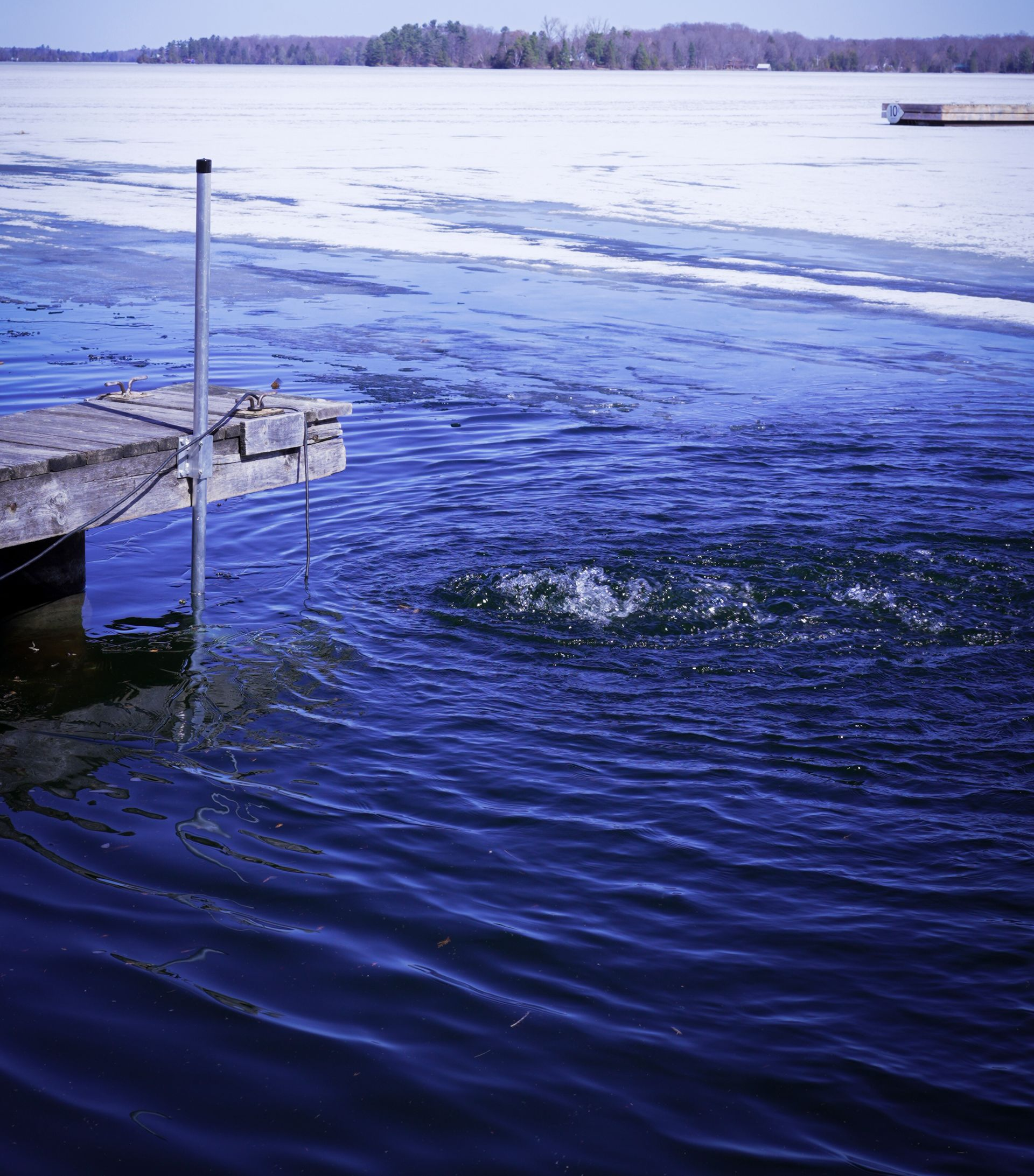
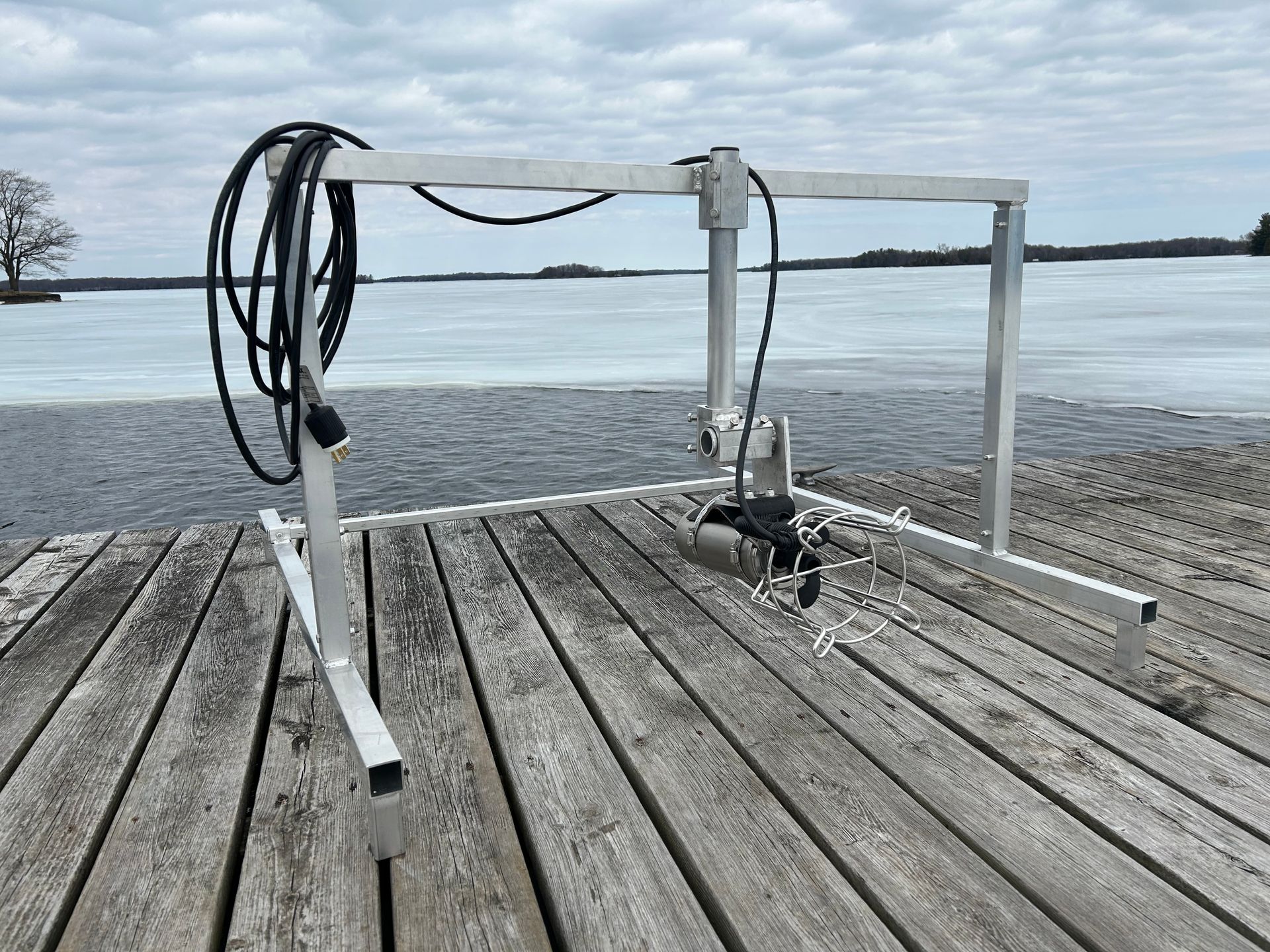
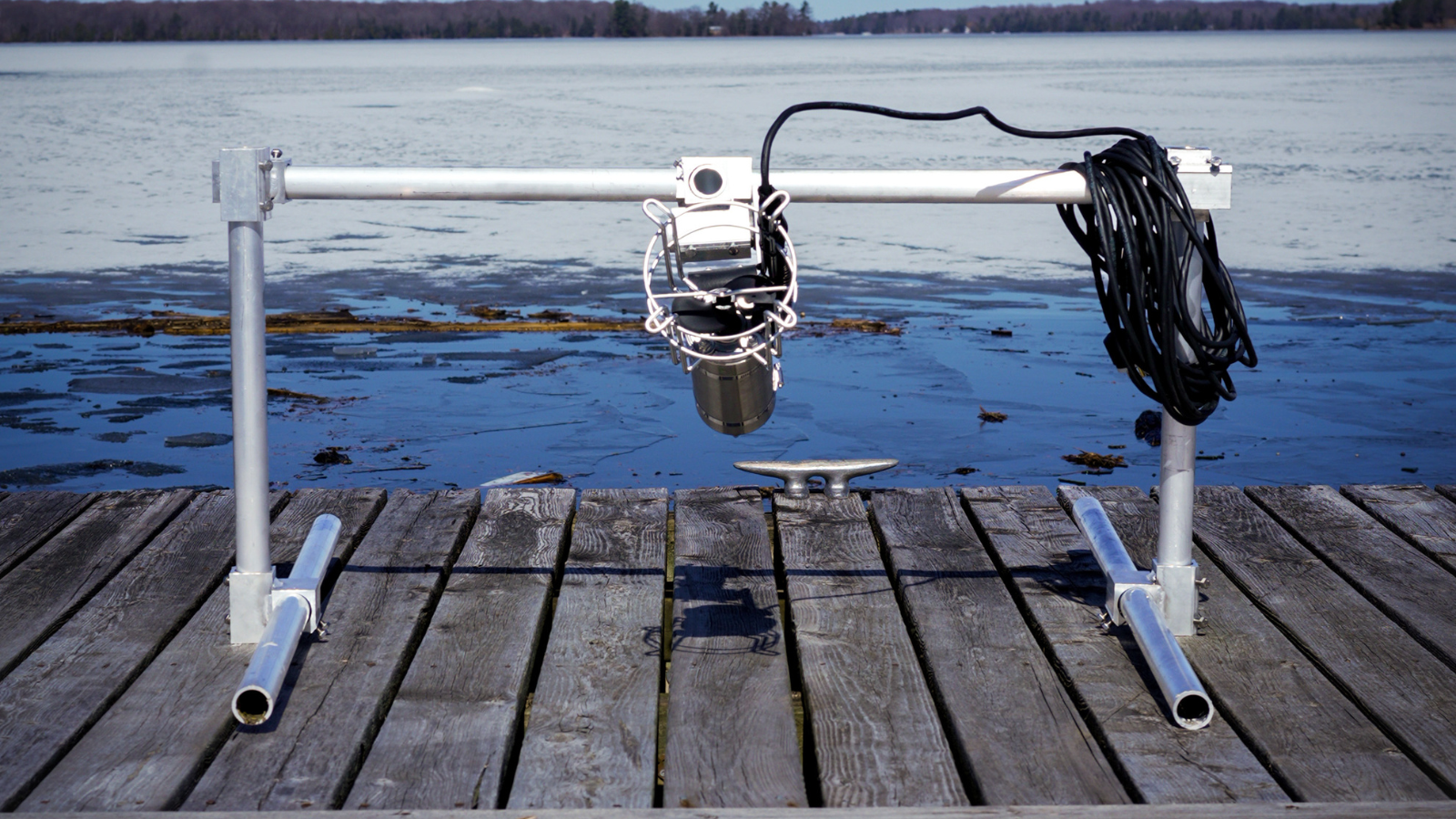
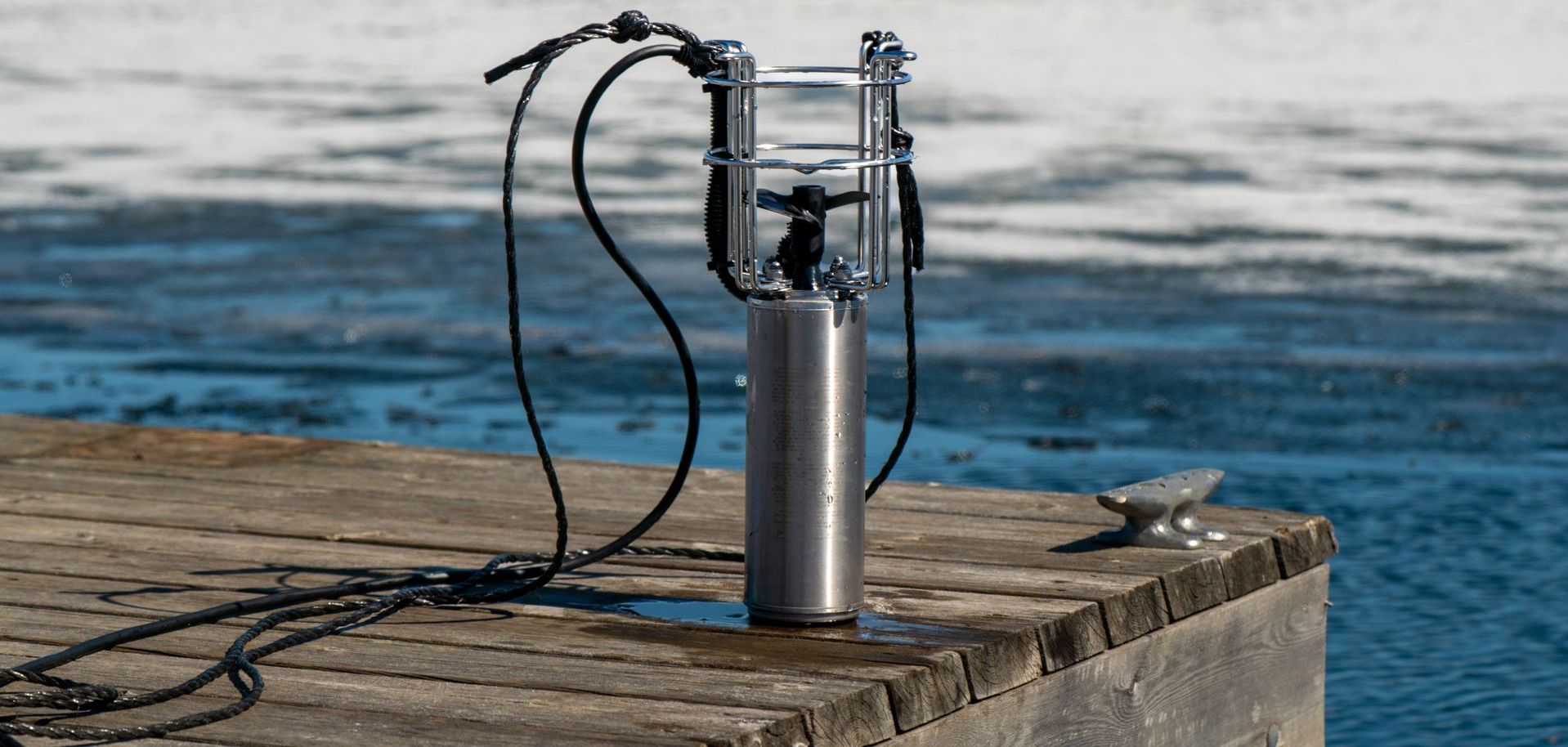
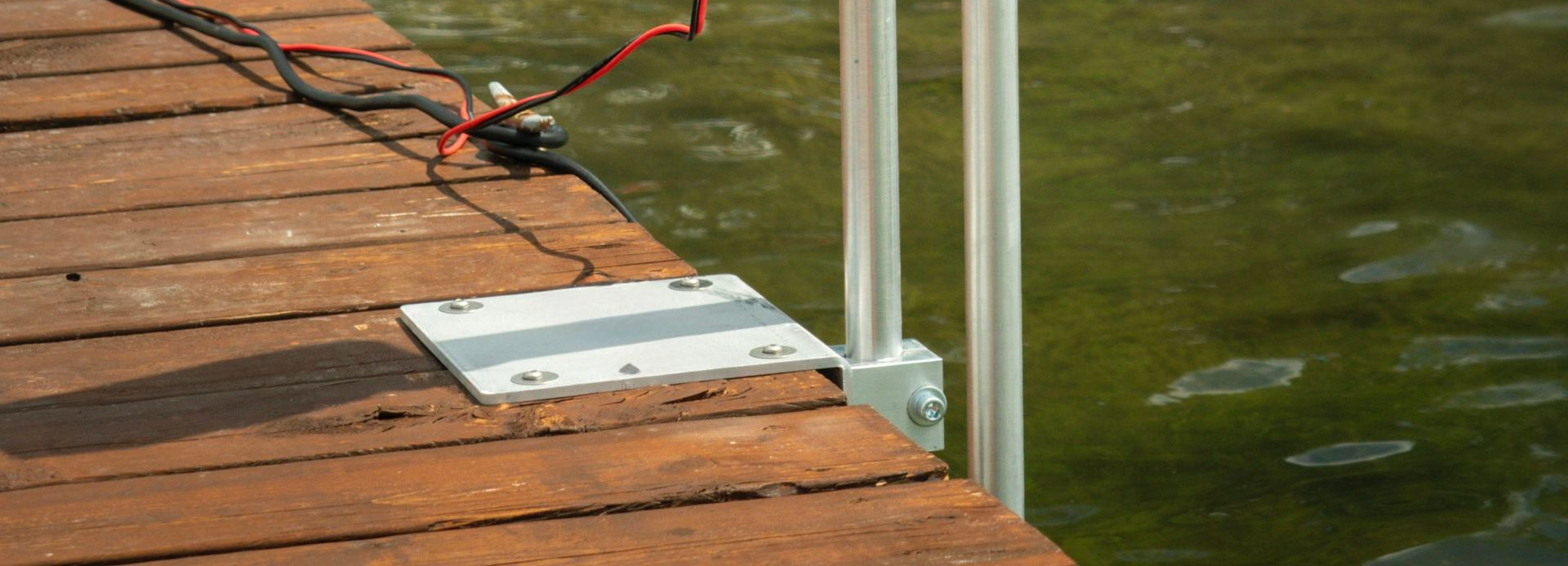
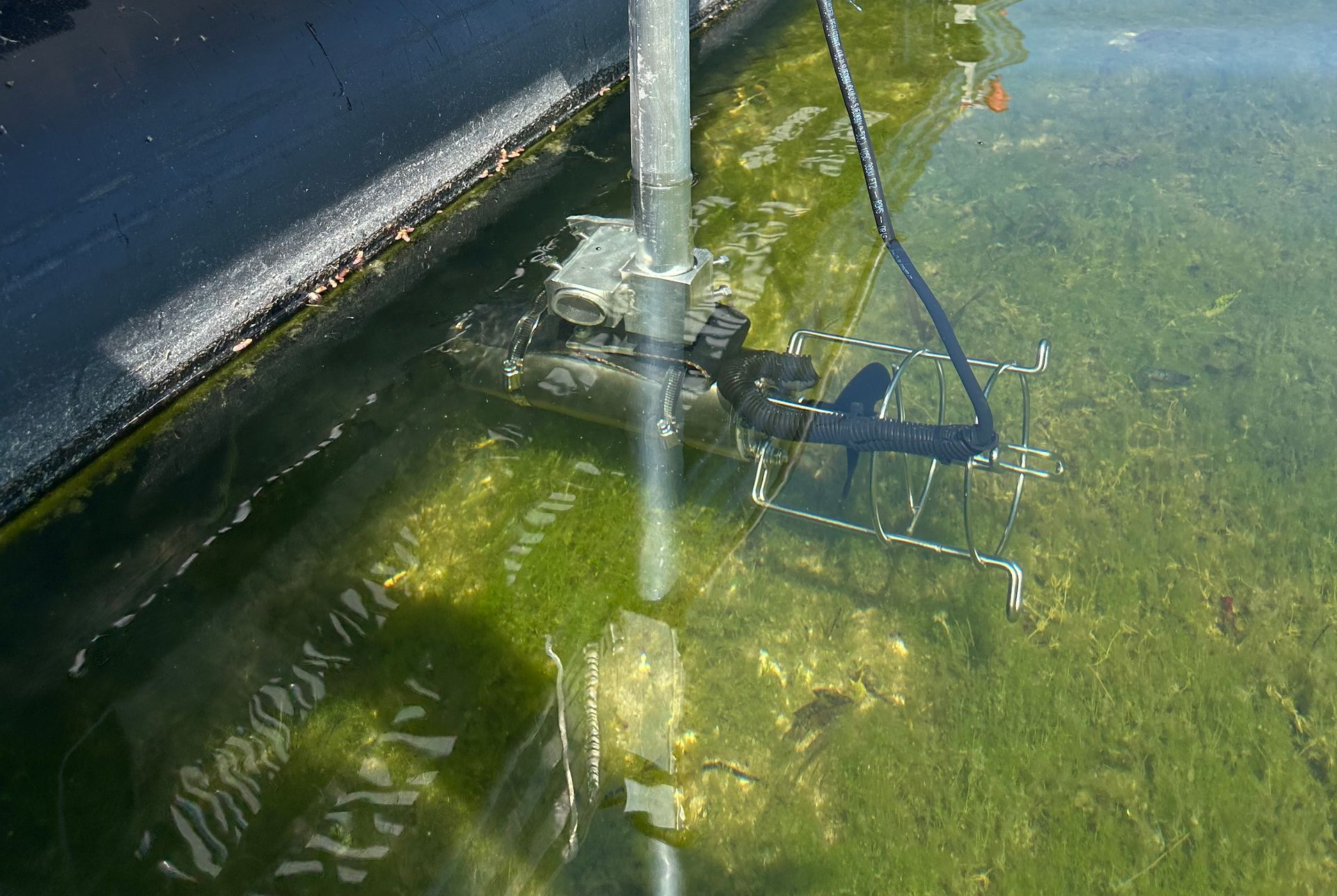
- For docks or lifts that remain in the water year-round, fall is also the time to ensure winter protection is installed
before ice begins to form. Planning ahead, including
choosing the right size dock de-icer, helps ensure protection is in place when conditions change.
Winter: Managing Equipment That Stays In
Some dock systems are designed to remain in the water through winter. In these cases, timing still matters.
Best practices include:
- Installing winter protection early in the freeze-up period
- Monitoring ice development during early winter
- Avoiding adjustments once thick ice has formed
Installing protection early allows ice to form gradually around circulation zones instead of trying to break through established ice later in the season.
Common Seasonal Timing Mistakes
Many dock issues stem from avoidable timing errors, including:
- Relying on fixed dates instead of lake conditions
- Waiting until ice is already forming to act
- Removing equipment during unstable shoulder-season weather
- Assuming one year’s timing will apply every season
- Lakes respond differently each year, making observation more reliable than habit.
Planning Ahead for Next Season
The easiest way to avoid timing issues is to plan ahead.
That includes:
- Reviewing how your dock and lift performed last winter
- Noting when ice formed and cleared on your lake
- Adjusting installation and removal timing accordingly
Seasonal dock management works best when decisions are based on real conditions rather than tradition.
If your dock or lift stays in for winter, incorporating these timing considerations into your overall winter planning helps reduce risk.
Knowing when to install and remove dock equipment is just as important as choosing the right equipment. By paying attention to lake conditions and seasonal transitions, waterfront owners can reduce wear, minimize risk, and extend the life of their docks and boat lifts.
For dock protection solutions designed to work with real-world seasonal conditions,
Arbrux focuses on equipment built for long-term performance.