
What to Inspect After Ice-Out: Common Dock and Boat Lift Issues to Watch For
After a long winter on the water, ice-out feels like a fresh start — but it’s also the moment when many dock and boat lift issues first become visible. Ice doesn’t always cause dramatic breakage; often, freeze-thaw cycles, shifting ice edges, and spring water level changes leave hidden damage that only shows itself during spring use.
A careful post-ice-out inspection helps you catch subtle problems before they become costly repairs later in the season.
Why Ice-Out Inspections Matter
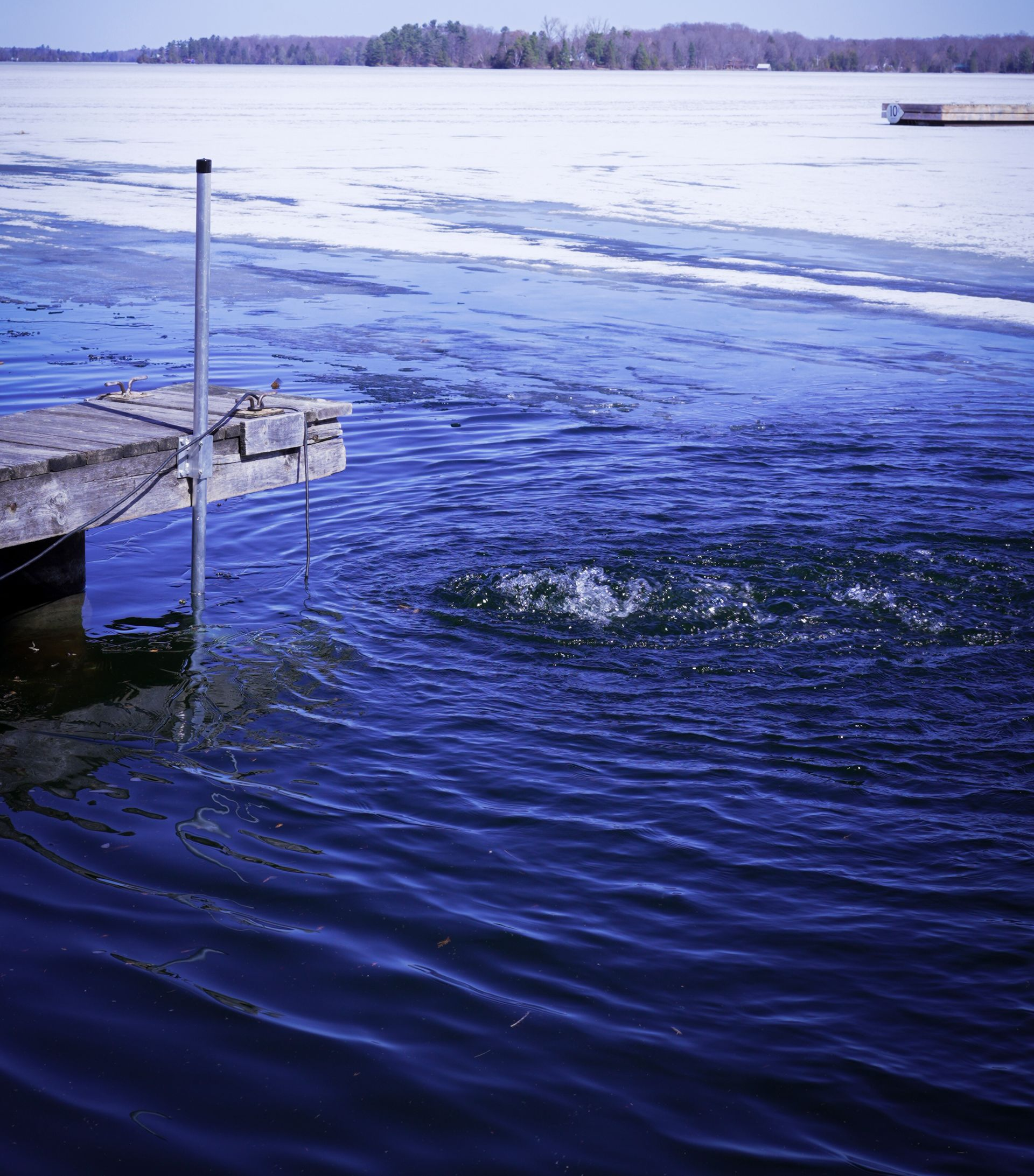
Lakes rarely become ice-free all at once. Even when surface ice appears gone, fragile remnants of winter ice can linger in protected bays and near shorelines, sometimes days after the “official” ice-out date. This uneven thaw explains why ice damage isn’t always obvious at first glance. Ice can shift dock sections, loosen hardware, or stress anchoring systems without causing immediate failure. Understanding how winter ice damages docks helps explain why these issues often show up weeks later, not during winter itself.
Many waterfront authorities also remind residents that melting snow, shifting ice, and fluctuating water levels can create hazards near water every spring — including unstable shorelines and rising currents that make inspections even more important.
Checking your dock after winter isn’t just about identifying obvious breakage — it’s about catching
alignment issues, loosened hardware, and hidden stress before they worsen.
Dock Structure Issues to Inspect First
Here are the common areas that show wear or stress after ice-out:
Dock Alignment and Level
When ice lifts and shifts sections of your dock during freeze-thaw cycles, you may notice:
- Uneven sections
- New slopes or twists
- Boards that no longer lie flush
These issues can reduce stability and increase stress on connection points.
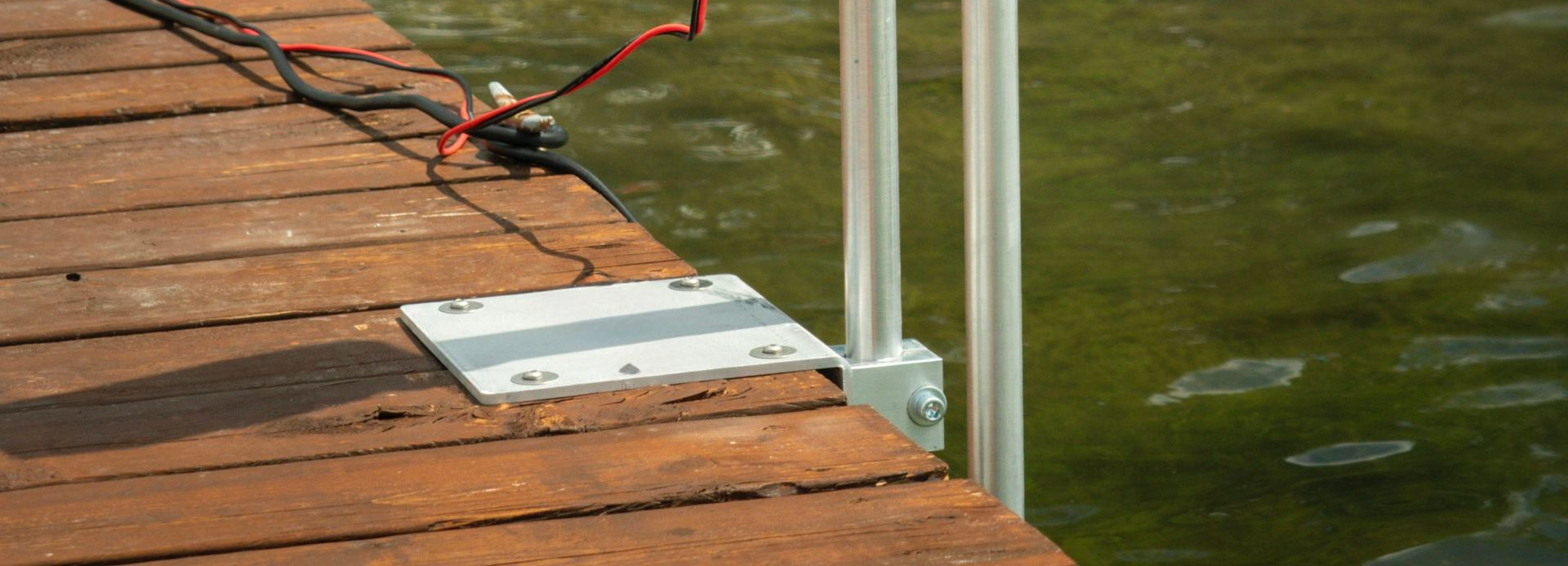
Fasteners, Bolts, and Hinge Points
Winter ice pressure can work on bolts and brackets. Inspect for:
- Loose or missing fasteners
- Bent brackets or stressed plates
- Hardware that feels less tight than before
Small hardware issues can lead to bigger structural loosening over time.
Anchoring and Support Posts
Check:
- Whether crib docks or pilings remain vertical
- If anchors have shifted position
- Signs of movement in gravel or shoreline attachments
Ice can sometimes lift or pry anchors loose when water levels change rapidly.
Boat Lift Issues Commonly Found in Spring
Cables, Pulleys, and Winches
Cold and moisture can affect mechanical parts:
- Frayed or kinked cables
- Stiff pulleys or winches
- Corrosion around moving parts
Operate the lift slowly to feel for resistance or uneven movement.
Lift Stability and Alignment
Look for:
- One side settling deeper than the other
- Frame contact where there shouldn’t be
- New rubbing marks on lift legs or bunks
Misalignment here can reduce performance and cause long-term wear.
Electrical and Power Components
If your lift has power systems:
- Check cords and connections for winter moisture damage
- Ensure controls respond normally
- Look for corrosion on terminals
Electrical issues may not be visible until first use in spring.
Shoreline and Dock Connection Points
Where your dock meets the land often takes the most stress from ice jams and shifting water levels. Look for:
- Soil movement near hinges
- Erosion or exposure of anchor points
- Sagging walkways
Fall and spring water conditions cause most shoreline movement; paying attention now helps prevent bigger problems later.
Many conservation authorities remind waterfront property owners that spring thaw conditions (melting snow and higher flows) can make shorelines unstable and slippery, especially after ice break-up.
Signs You Shouldn’t Ignore
Some spring symptoms require prompt attention:
- Dock sections that sag more over a week of use
- Difficulty sliding or folding lift parts
- Metal hardware that feels loose despite recent tightening
- Anchors that show fresh movement
- Early action often avoids more extensive mid-season repairs.
What to Address Now vs Watch
Address Sooner
- Address SoonerBent structural components
- Shifted anchors or pilings
- Lift cables that are frayed
Monitor Over Time
- Mild alignment shifts
- Slight cosmetic wear on boards
- Minor hardware looseness that hasn’t worsened after action
Spring inspections also provide valuable insight when planning ahead for next winter. Reviewing how your dock and lift performed after ice-out can inform how you prepare your dock and boat lift for winter later in the season.
Ice-out inspections are one of the most important moments of the waterfront calendar. While winter can be unforgiving, many spring-revealed issues are subtle and easy to overlook until they become costly.
Taking the time now to inspect your dock and boat lift — from alignment to anchoring, from mechanical parts to shoreline attachments - helps protect your investment and keeps the season fun and trouble-free.
For ongoing dock planning and season-specific guidance, explore
Arbrux’s series of posts on winter effects and seasonal management.