
Common Dock Ice Damage Repairs and How to Prevent Them Next Winter
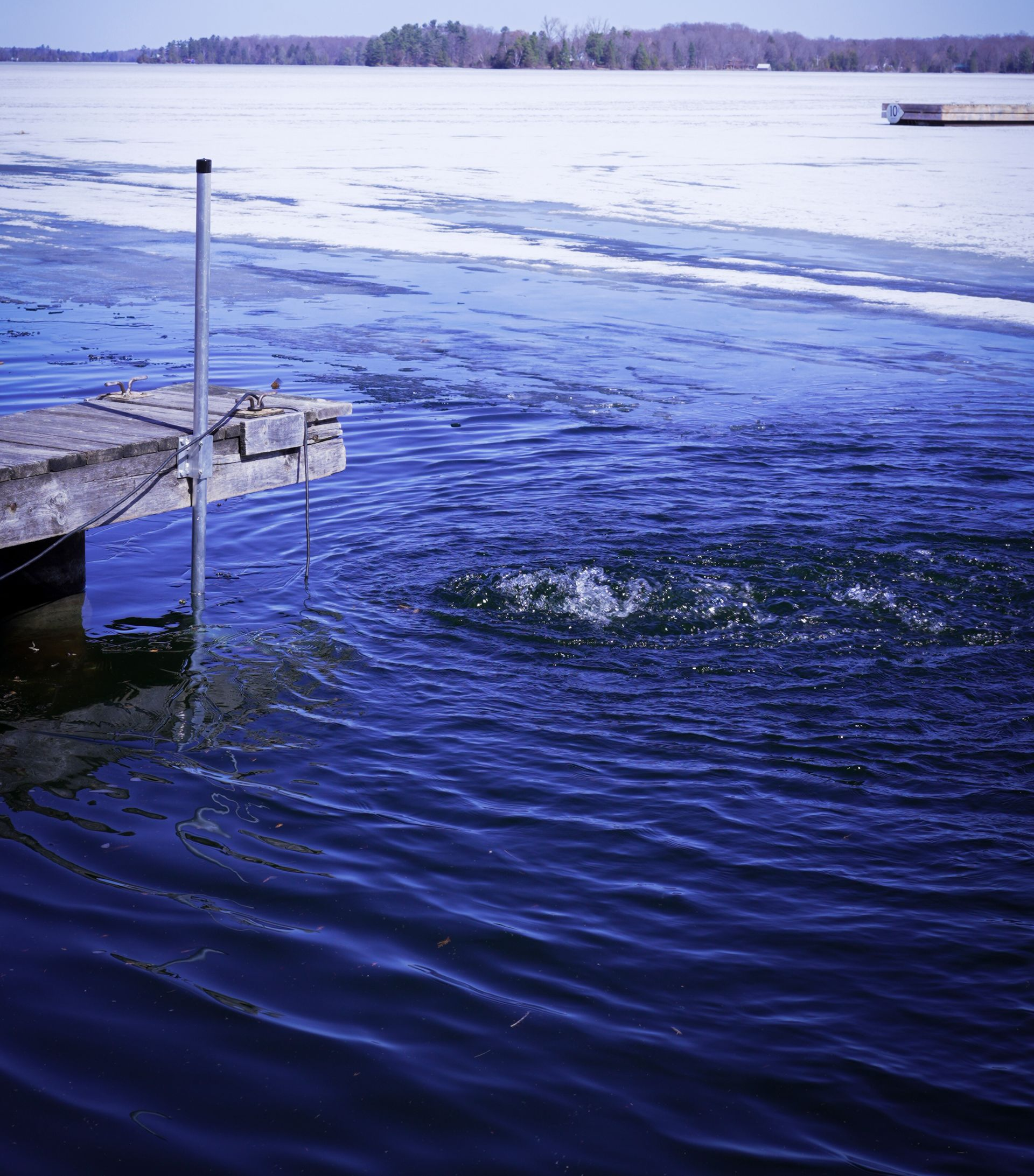
Winter does not always leave dramatic damage behind. More often, it leaves subtle structural stress that becomes visible once the ice clears and regular use resumes. Shifting ice sheets, freeze-thaw cycles, and fluctuating water levels can all affect dock alignment, anchoring, and hardware integrity.
Understanding the most common post-winter repairs helps waterfront owners address issues early and reduce the likelihood of repeat damage next season.
1. Misaligned Dock Sections
One of the most frequent spring issues is dock misalignment. Sections may sit unevenly, lean slightly, or no longer connect as cleanly as they did the previous year.
Ice expansion and lateral movement can push against dock frames during freeze-up and break-up. Even when the structure appears intact, small shifts at hinge points or connection brackets can alter alignment.
These alignment issues often trace back to how winter ice applies pressure over time, particularly in areas where water depth changes near shore. Understanding
how winter ice damages docks helps explain why misalignment can occur even without visible breakage.
Repair
- Re-level dock sections
- Inspect and re-tighten hardware
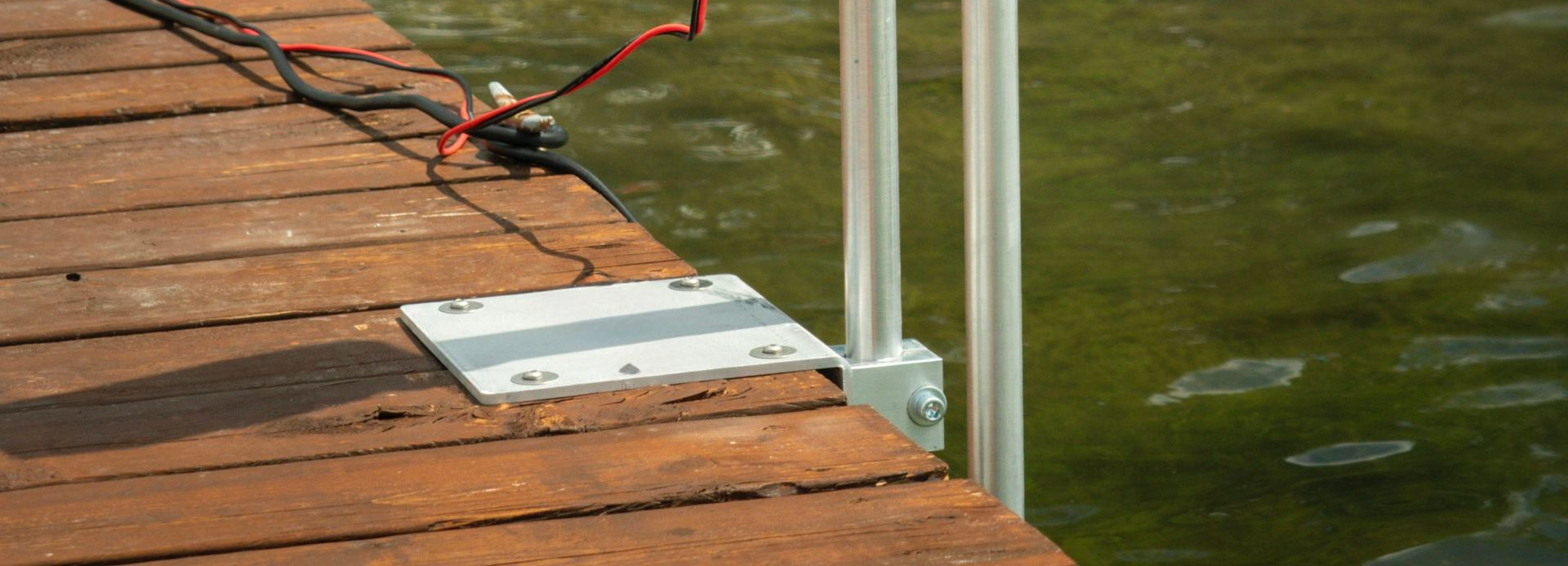
- Replace bent brackets or hinge plates
- Confirm anchor tension
Prevention
- Ensure dock sections have appropriate flexibility at connection points
- Confirm anchoring allows controlled movement
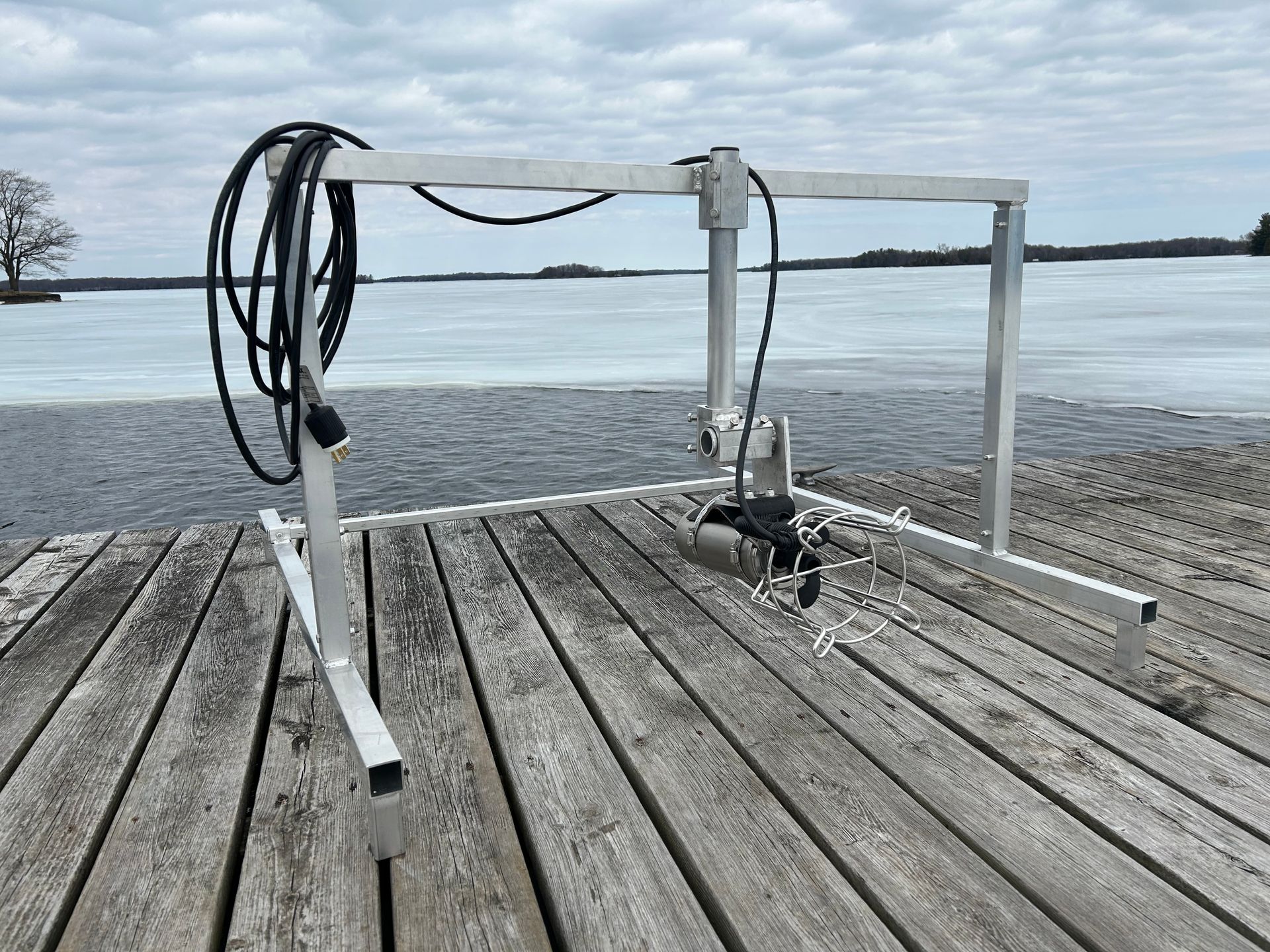
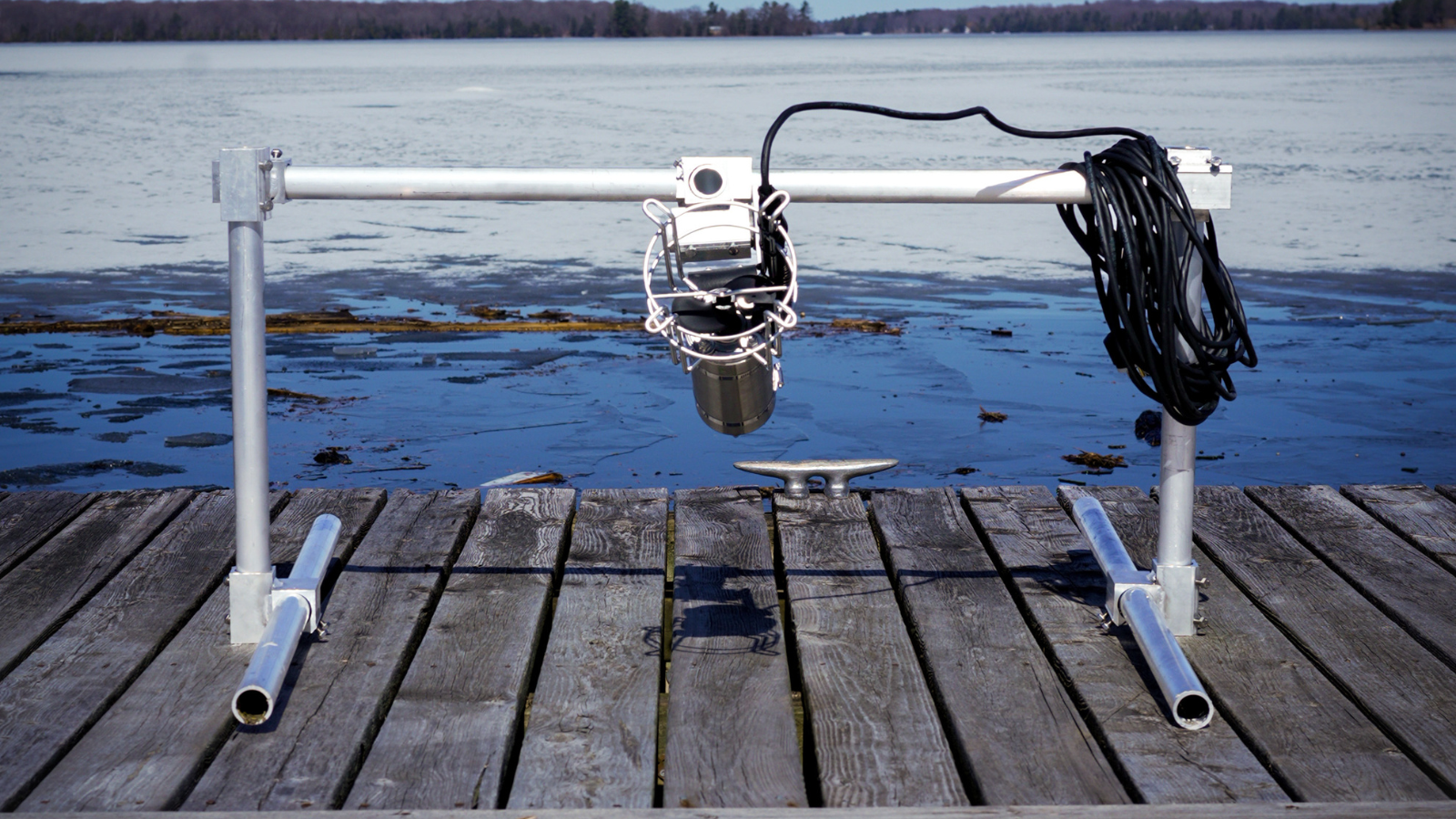
- Install winter protection before ice forms, not after
2. Shifted Anchors and Cribs
Anchoring systems often absorb the majority of winter stress. After ice-out, you may notice:
- Leaning posts or pilings
- Cribs that have shifted slightly
- Anchors sitting higher or lower than before
Seasonal water level changes contribute to this movement. Conservation authorities note that spring runoff and fluctuating water levels place added stress on shoreline structures and connection points, especially during thaw periods.
When anchors shift, stress transfers back into the dock structure.
Repair
- Reset anchors to proper depth and tension
- Reposition cribs if necessary
- Confirm that connection hardware remains square
Prevention
- Account for seasonal water variation during installation
- Avoid rigid anchoring systems in areas prone to movement
- Review dock performance during post-ice inspections
Many of these issues are first identified during a thorough spring review, similar to what is outlined in a typical
ice-out inspection checklist.
3. Bent or Stressed Hardware
Hardware rarely fails all at once. Instead, it gradually weakens under repeated pressure.
Look for:
- Elongated bolt holes
- Bent support brackets
- Stress marks around hinge plates
- Corrosion accelerated by moisture exposure
Even when the dock structure remains intact, hardware can deform slightly under pressure. Over time, these small changes compromise structural stability.
Shoreline energy plays a role in this process. Repeated wind-driven wave action and fluctuating water levels contribute to gradual shoreline movement and structural strain near developed waterfronts, particularly where docks and access points concentrate stress.
Repair
- Replace bent or compromised brackets
- Reinforce high-stress hinge points
- Upgrade hardware if recurring stress is evident
Prevention
- Avoid rigid connections in areas prone to movement
- Allow controlled flexibility at joints
- Inspect hardware annually before peak season use
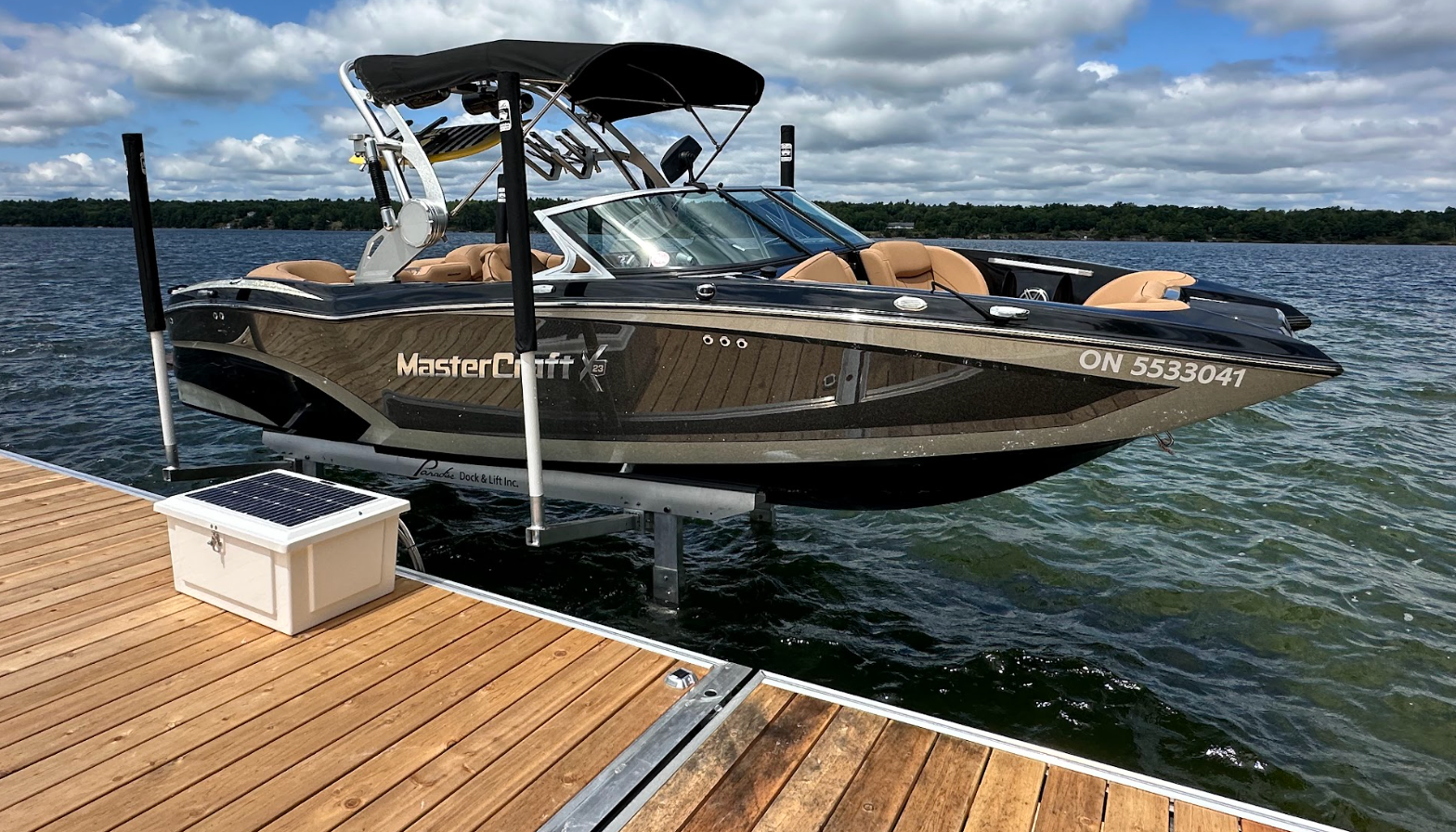
4. Boat Lift Cable and Frame Issues
Boat lifts often show signs of winter stress during spring startup.
Common repairs include:
- Frayed or kinked lift cables
- Uneven frame settlement
- Corrosion at structural joints
- Mechanical stiffness in winches or pulleys
These issues may not be immediately obvious but can worsen quickly once the lift is loaded.
Repair
- Replace damaged cables immediately
- Inspect and lubricate moving components
- Re-level lift legs and confirm frame alignment
Prevention
- Remove or properly secure lifts before freeze-up
- Reduce load exposure during ice formation
- Review seasonal protection practices annually
Planning ahead for winter protection, including how you prepare your dock and boat lift for winter, reduces repeat mechanical stress and simplifies transitions between seasons.
5. Shoreline Connection Stress
The point where your dock meets land absorbs consistent seasonal pressure.
After winter, look for:
- Soil erosion near ramps
- Shifted hinge points
- Gaps between dock and shoreline
- Changes in slope or support angle
Shoreline movement is gradual and often goes unnoticed until structural stress becomes visible. When anchoring and connection points are designed without accounting for seasonal variation, stress transfers back into the dock frame.
Accounting for shoreline dynamics during installation reduces recurring repairs and improves long-term performance.
Most dock ice damage develops progressively rather than catastrophically. Small alignment shifts, anchor movement, and hardware deformation accumulate over time. Addressing these issues early in the season helps prevent larger failures later.
Observing what required repair this spring provides insight into how to strengthen anchoring systems, reinforce connection points, and adjust winter protection before freeze-up returns.