
How a Water Circulator Improves Water Quality and Reduces Weeds in Spring and Summer
As ice clears and waterfront season begins, many dock owners notice the same problems returning: stagnant water, floating debris, algae growth, and soft muck near shore. While winter protection often gets the most attention, spring and summer water movement plays an equally important role in maintaining a healthy shoreline.
A dock water circulator is not just a winter tool. Used properly, it helps improve water clarity, reduce weed growth, and maintain better shoreline conditions throughout the warmer months.
Why Stagnant Water Becomes a Problem in Spring
When ice melts, organic material that accumulated over winter begins to decompose. Leaves, sediment, and lakebed debris settle near docks and shoreline edges. Without movement, this area can quickly become stagnant.
Stagnant water contributes to:
- Increased algae growth
- Muck accumulation
- Surface debris buildup
- Reduced oxygen levels near shore
In shallow waterfront areas, especially those with limited natural flow, these conditions can develop quickly once temperatures rise.
How a Dock Water Circulator Works
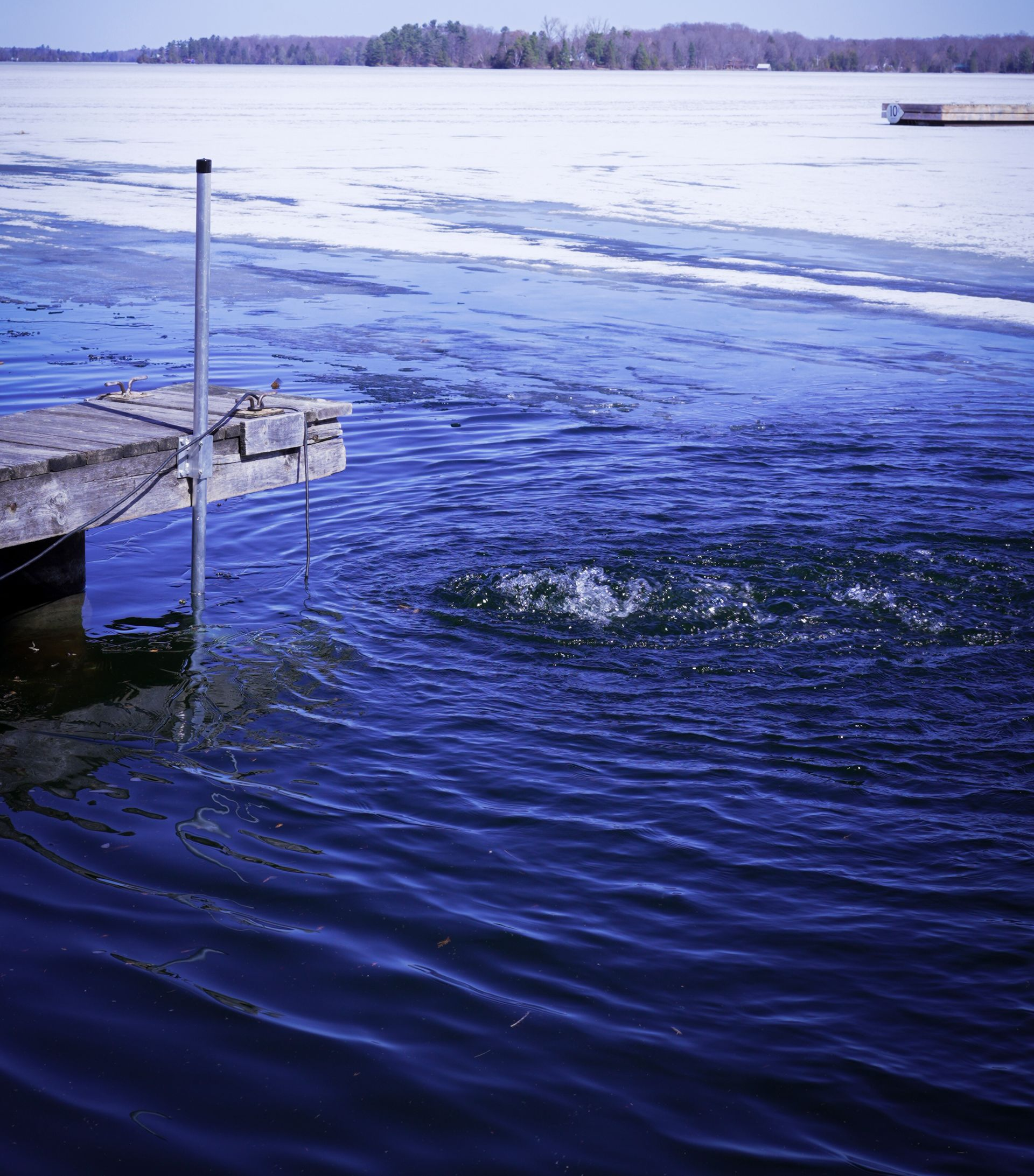
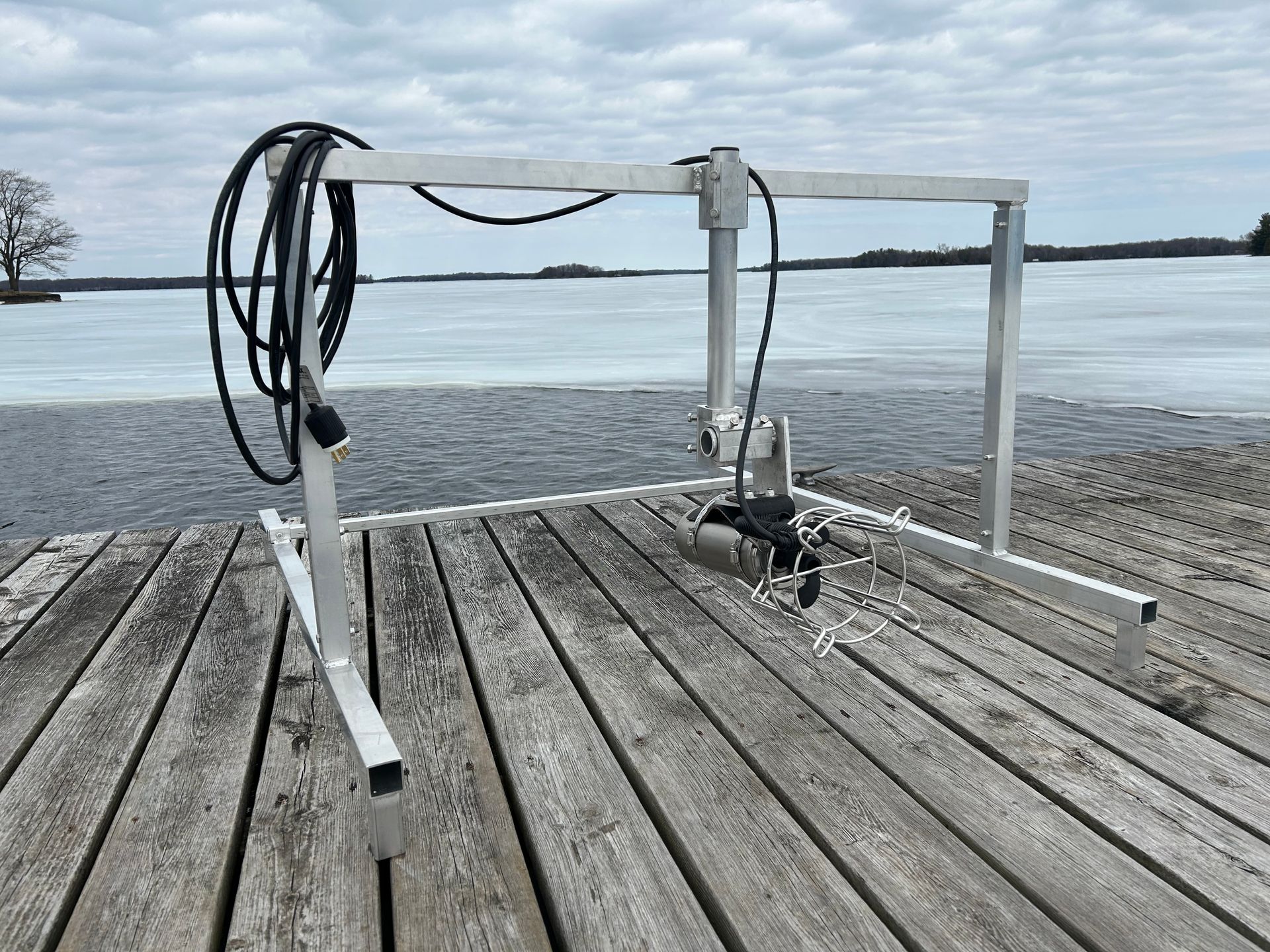
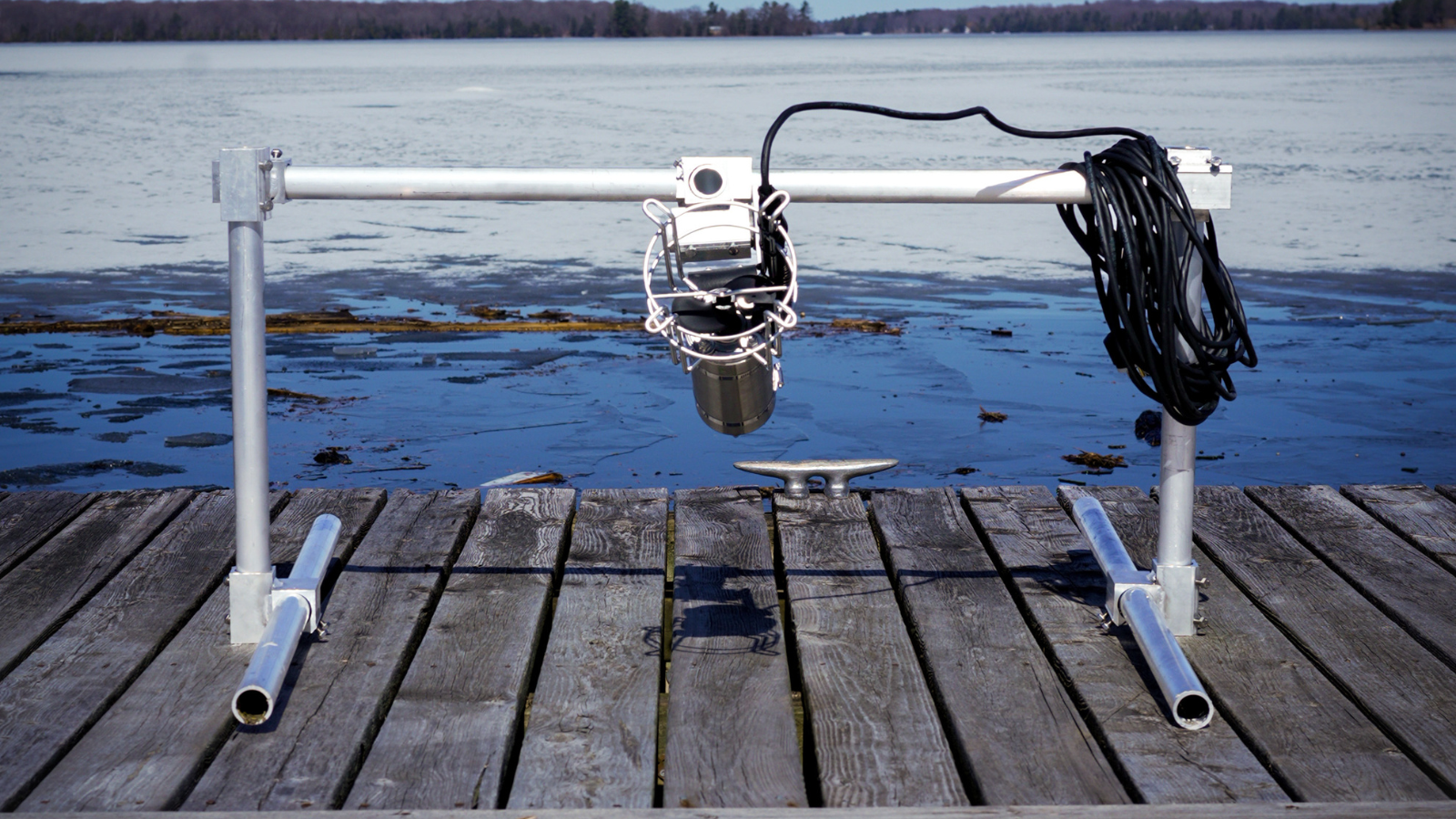
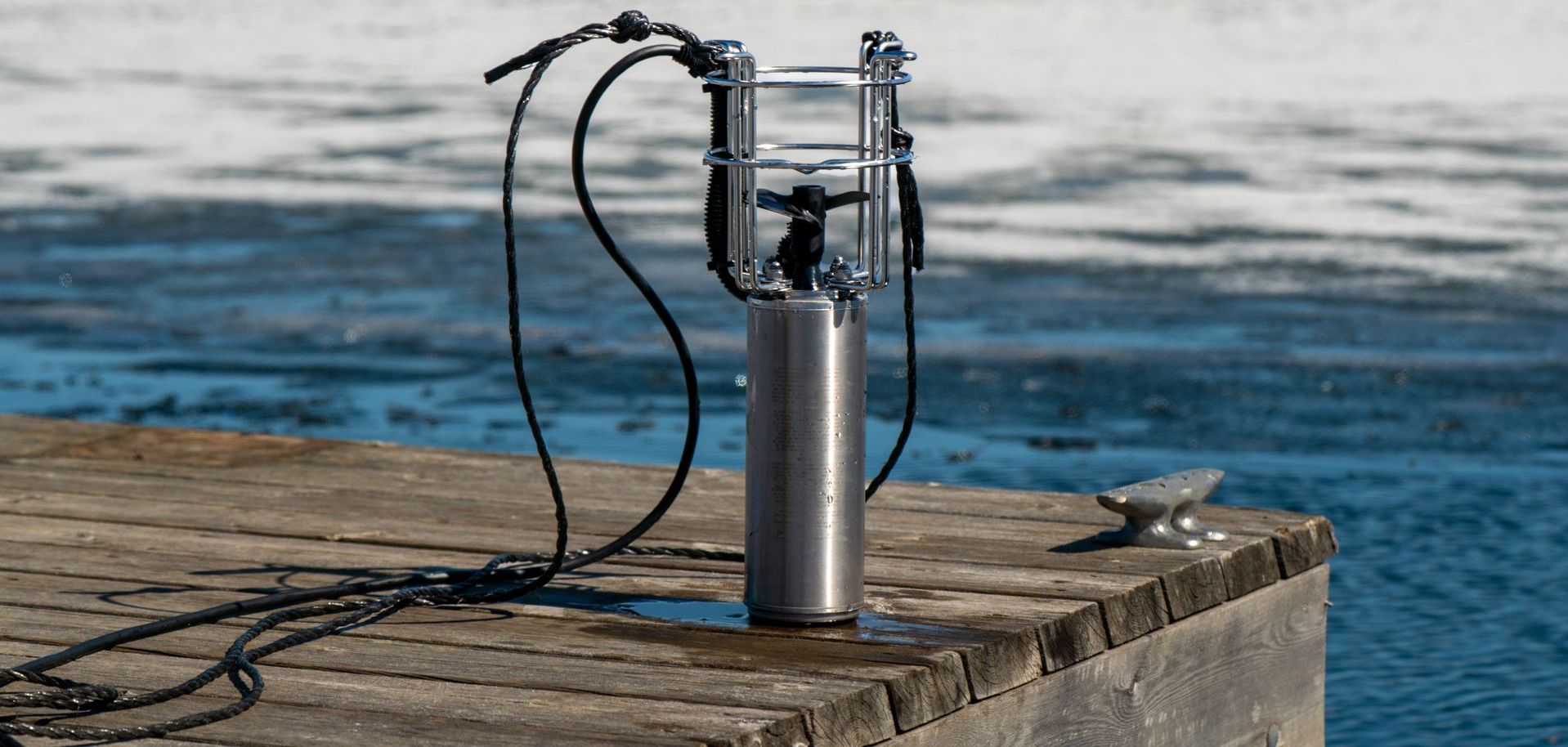
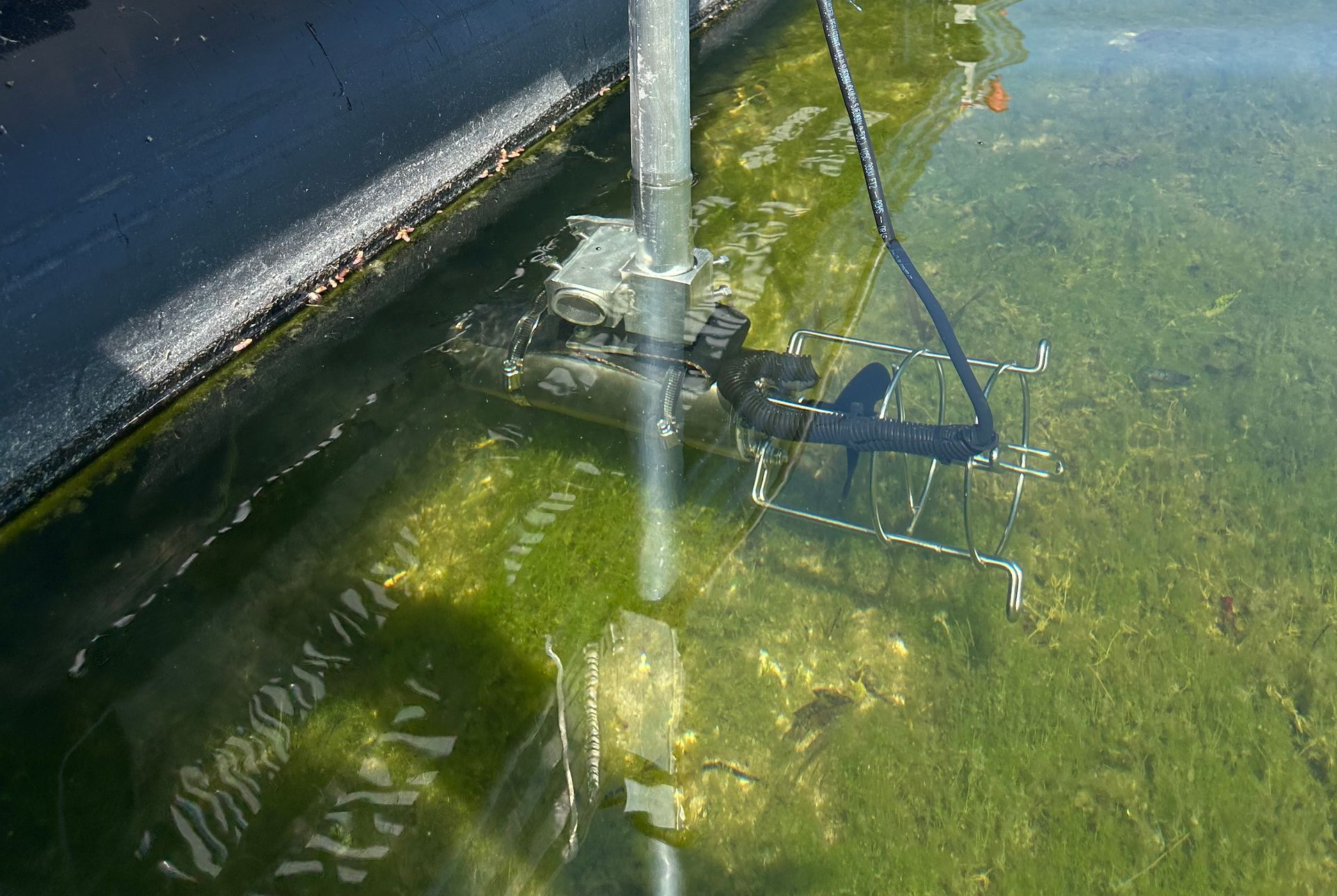
A dock water circulator continuously moves water from below the surface toward the shoreline or dock area. By keeping water in motion, it disrupts the conditions that allow weeds and algae to thrive.
Key functional benefits include:
- Maintaining consistent water movement
- Reducing stagnation near docks
- Limiting sediment buildup
- Improving overall shoreline clarity
Unlike chemical treatments or temporary surface solutions, circulation addresses the underlying issue: lack of movement.
Reducing Aquatic Weed Growth Naturally
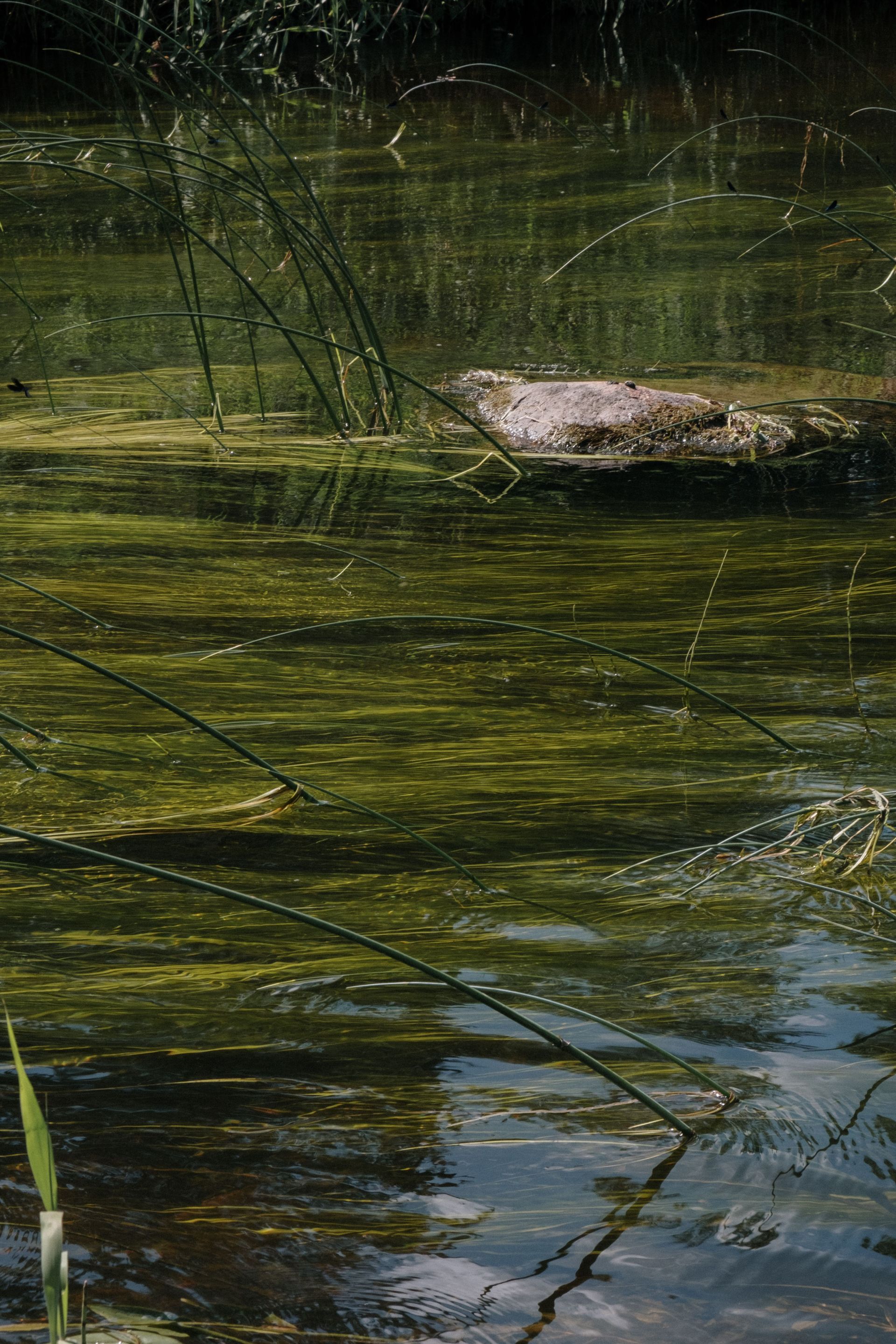
Aquatic weeds tend to establish themselves in calm, shallow water. When water remains still, sunlight penetrates and warms the lakebed, encouraging growth.
Continuous circulation helps:
- Disturb early weed formation
- Reduce sediment settling
- Limit ideal growth conditions
For waterfront owners looking for a non-chemical approach to shoreline maintenance, circulation can be an effective long-term strategy.
Managing Muck and Shoreline Debris
Soft lakebed conditions near docks are common in spring. Organic material accumulates and settles in areas where water movement is minimal.
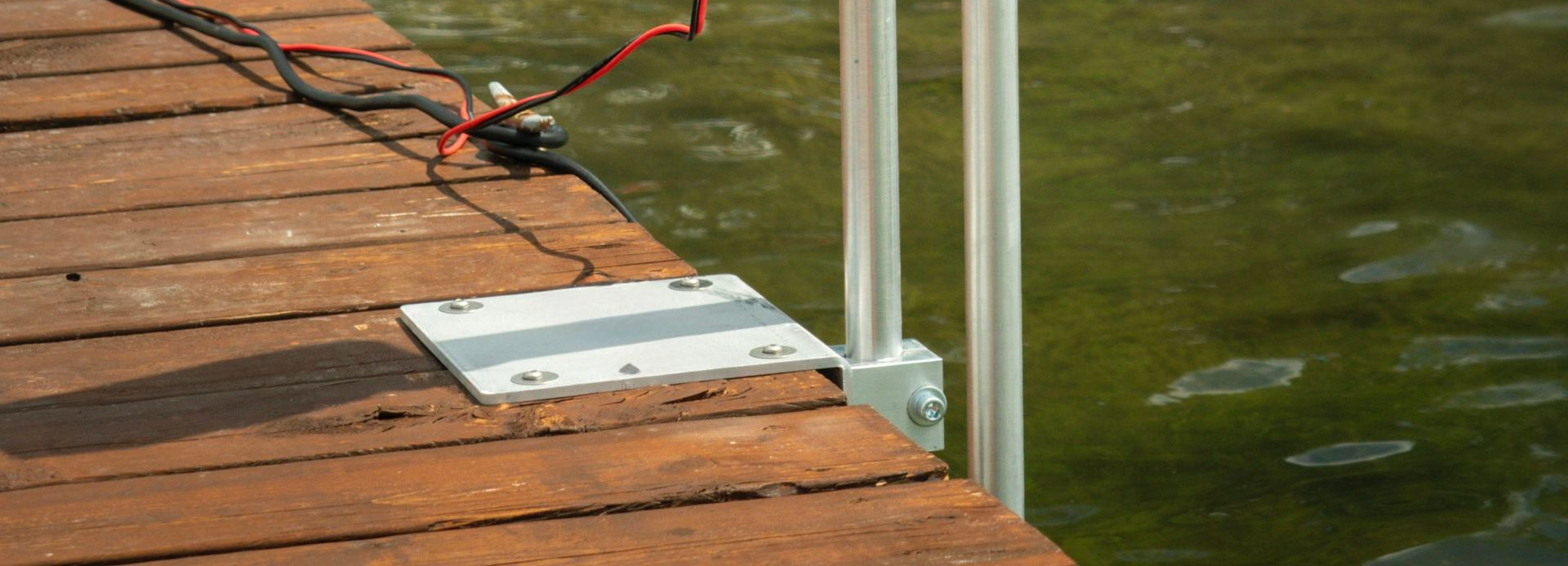
When paired with an oscillator system, circulation can help sweep debris and prevent buildup from becoming concentrated in one area. Oscillation systems are designed to move debris in a controlled pattern, helping maintain a cleaner shoreline footprint throughout the season.
This combination supports improved aesthetics and easier dock access during peak use months.
Benefits for Dock and Boat Lift Structures
Beyond water quality, spring and summer circulation also supports structural maintenance.
Consistent water movement can:
- Reduce sediment pressure against dock posts
- Minimize buildup around lift legs
- Improve access around anchored components
While winter ice damage remains a key concern, maintaining shoreline conditions in spring and summer contributes to better year-round dock performance.
When to Run a Water Circulator in Spring
Water circulators are typically activated:
- As soon as ice clears
- During early thaw periods
- Throughout peak weed growth months
Running a circulator continuously during warm months helps maintain consistent results rather than reacting after problems appear.
Is a Water Circulator Right for Your Waterfront?
Circulators are particularly useful in:
- Shallow shoreline areas
- Cottages with limited natural water movement
- Locations prone to weed growth
- Areas with seasonal debris accumulation
Each waterfront behaves differently. Factors such as depth, bottom composition, and exposure to wind all influence circulation needs.
Planning for year-round dock performance often includes considering both winter ice protection and warm-season water management as part of a complete waterfront strategy.
Spring and summer waterfront maintenance is about more than appearance. Managing water movement reduces stagnation, discourages excessive weed growth, and supports cleaner shoreline conditions throughout the season.
A dock water circulator provides a practical, mechanical solution that works with natural water movement rather than against it. For waterfront owners seeking a low-maintenance, long-term approach to shoreline care, circulation can play a central role in keeping dock areas usable and visually clear from spring through fall.