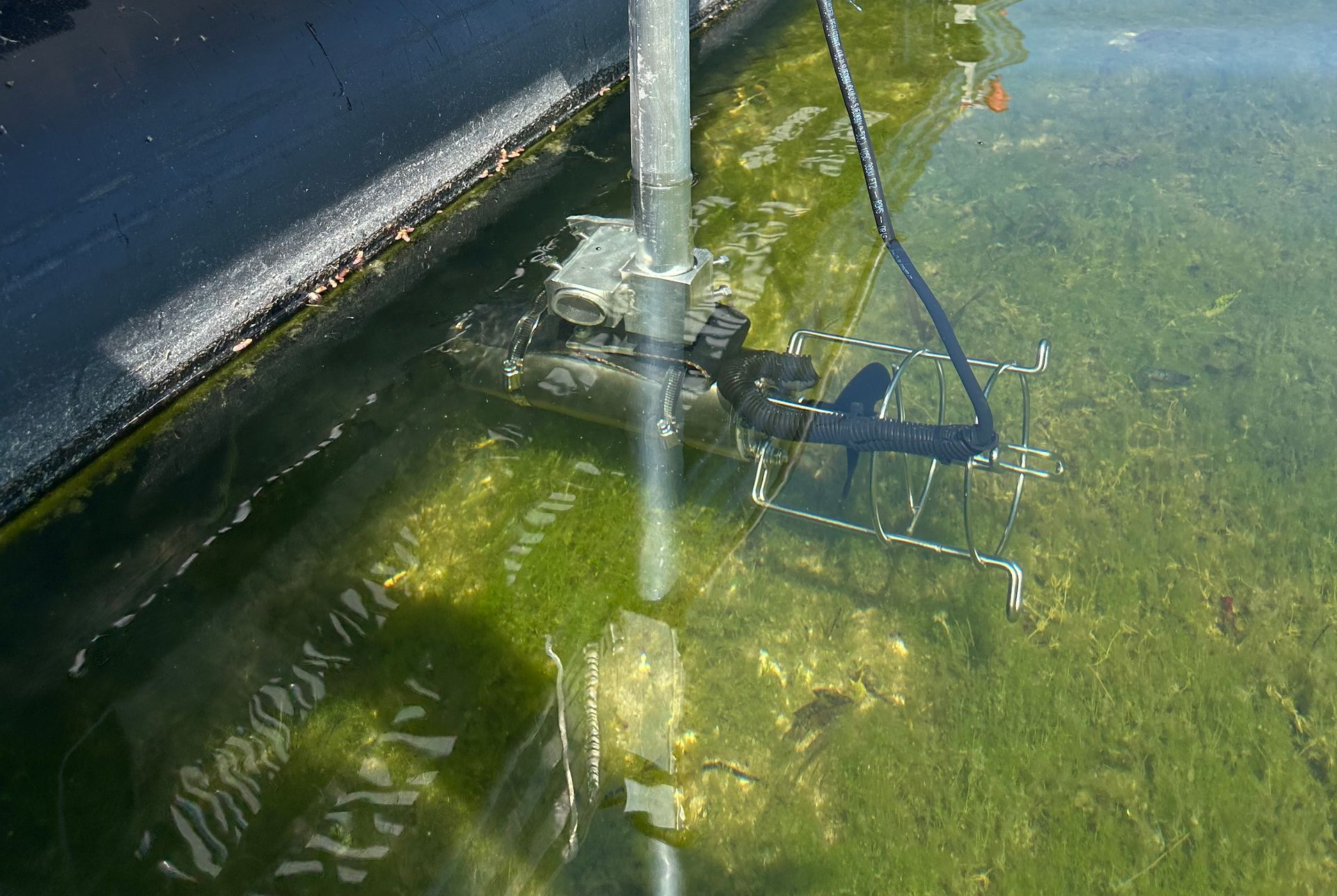

How Water Movement Helps Control Aquatic Weeds and Improve Shoreline Conditions
Aquatic weeds are a common concern for waterfront property owners. While some plant growth is natural and beneficial for aquatic ecosystems, excessive weed buildup can quickly impact water quality, usability, and overall shoreline health.
Understanding why weeds grow is the first step toward effective weed management, and water movement plays an important role in shaping those conditions.
Why Aquatic Weeds Grow Along Shorelines
Aquatic plants thrive when the environment provides three key elements: sunlight, nutrients, and stable growing conditions. Shoreline areas tend to offer all three.
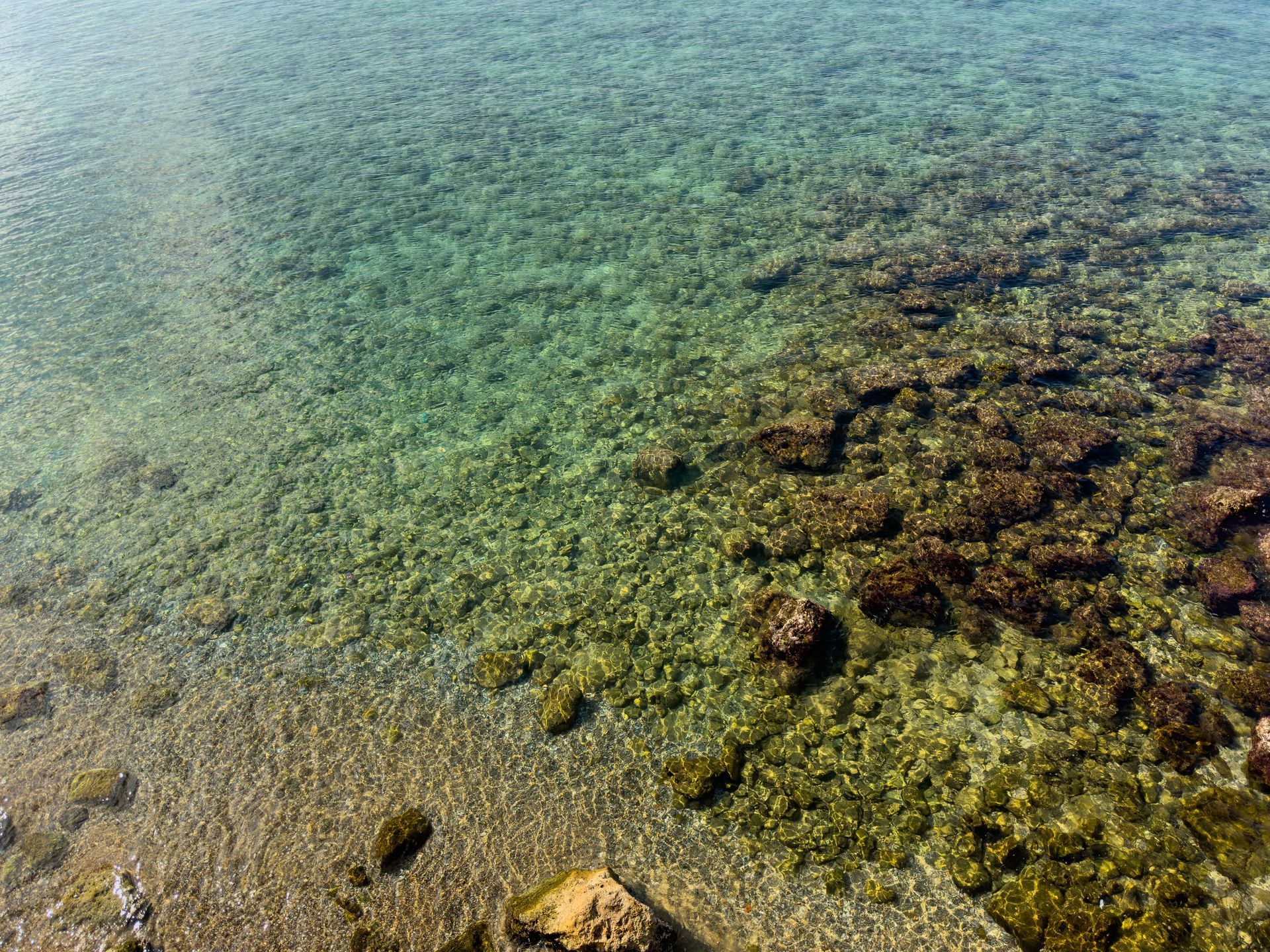
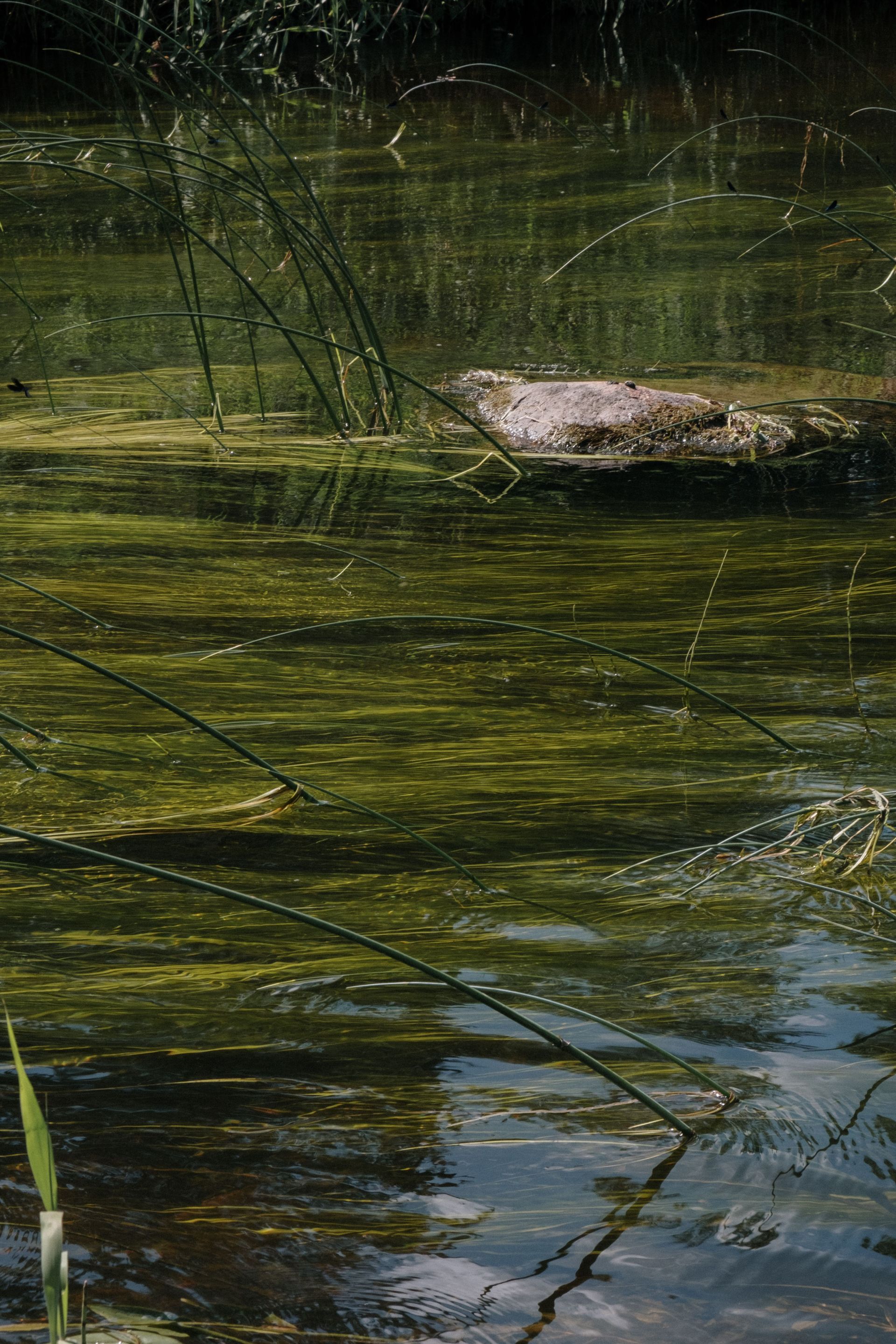
Shallow water allows sunlight to penetrate to the bottom, while sediment buildup creates a soft base where plants can anchor. Over time, organic material such as leaves, algae, and runoff contributes nutrients like phosphorus and nitrogen. These nutrients act as fuel for aquatic weed control challenges, accelerating plant growth beyond natural balance.
In many cases, shoreline weeds become more aggressive when water remains still. Without circulation, nutrients settle and concentrate in specific areas, creating ideal conditions for dense vegetation.
For broader environmental context on aquatic ecosystems and nutrient cycles, resources from
Environment and Climate Change Canada provide valuable guidance.
The Role of Stagnant Water in Weed Growth
Still water creates a predictable and undisturbed environment where weeds can establish and spread. Several factors contribute to this:
- Sediment accumulation: Fine particles settle to the bottom, forming nutrient-rich layers that support root systems
- Low oxygen levels: Limited movement reduces oxygen exchange, encouraging conditions that favour certain invasive species
- Nutrient concentration: Without circulation, nutrients remain trapped in one area instead of dispersing
These combined factors make stagnant zones particularly vulnerable to excessive shoreline weeds. Once established, these plants can spread quickly, forming thick mats that interfere with swimming, boating, and dock access.
How Water Movement Disrupts Weed Growth Conditions
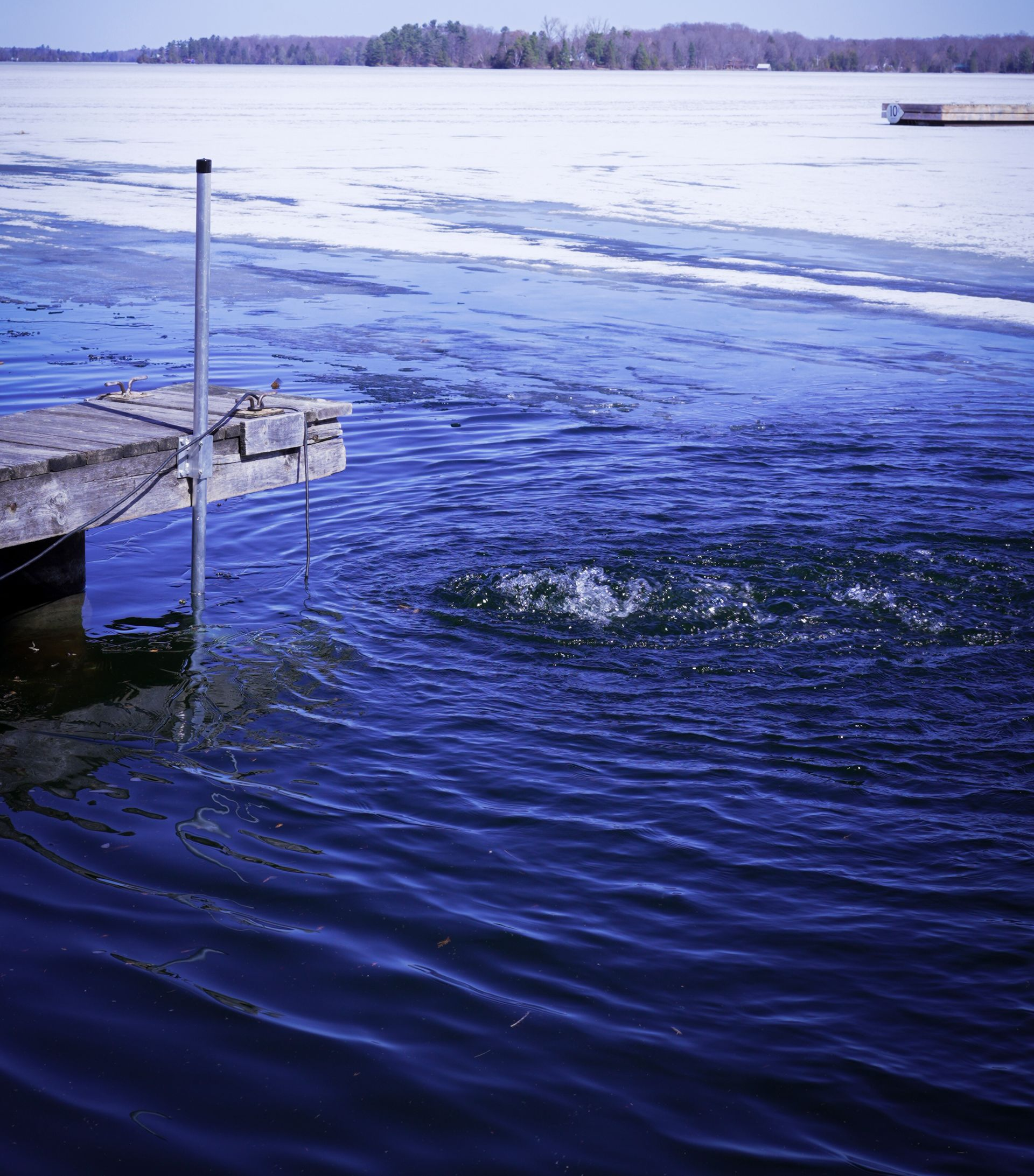
Introducing consistent water movement changes the environment that aquatic weeds depend on. Instead of providing a stable, nutrient-rich base, movement creates a more dynamic system that is less favourable for overgrowth.
Water movement contributes to weed management in several ways:
- Reduces sediment buildup by keeping particles suspended and preventing thick layers from forming
- Disperses nutrients so they are less concentrated in one location
- Improves oxygen levels, supporting healthier water conditions
- Disrupts root establishment, making it harder for weeds to anchor and spread
This does not eliminate aquatic plants entirely, nor should it. Instead, it helps maintain a more balanced ecosystem where growth remains manageable.
Government agencies such as Fisheries and Oceans Canada emphasize the importance of maintaining healthy aquatic environments through proper water management practices.
Using Circulators and Oscillators to Improve Water Conditions
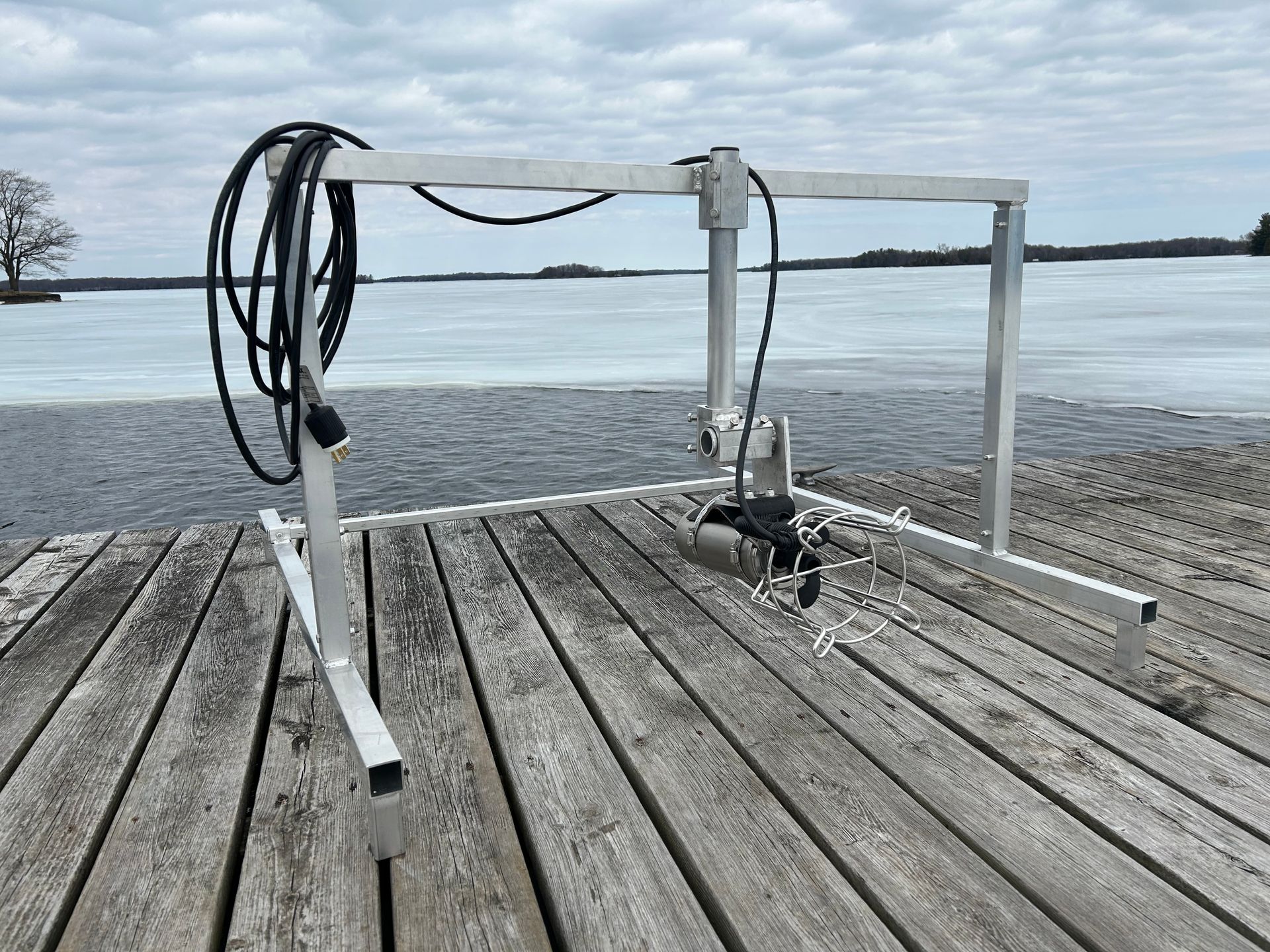
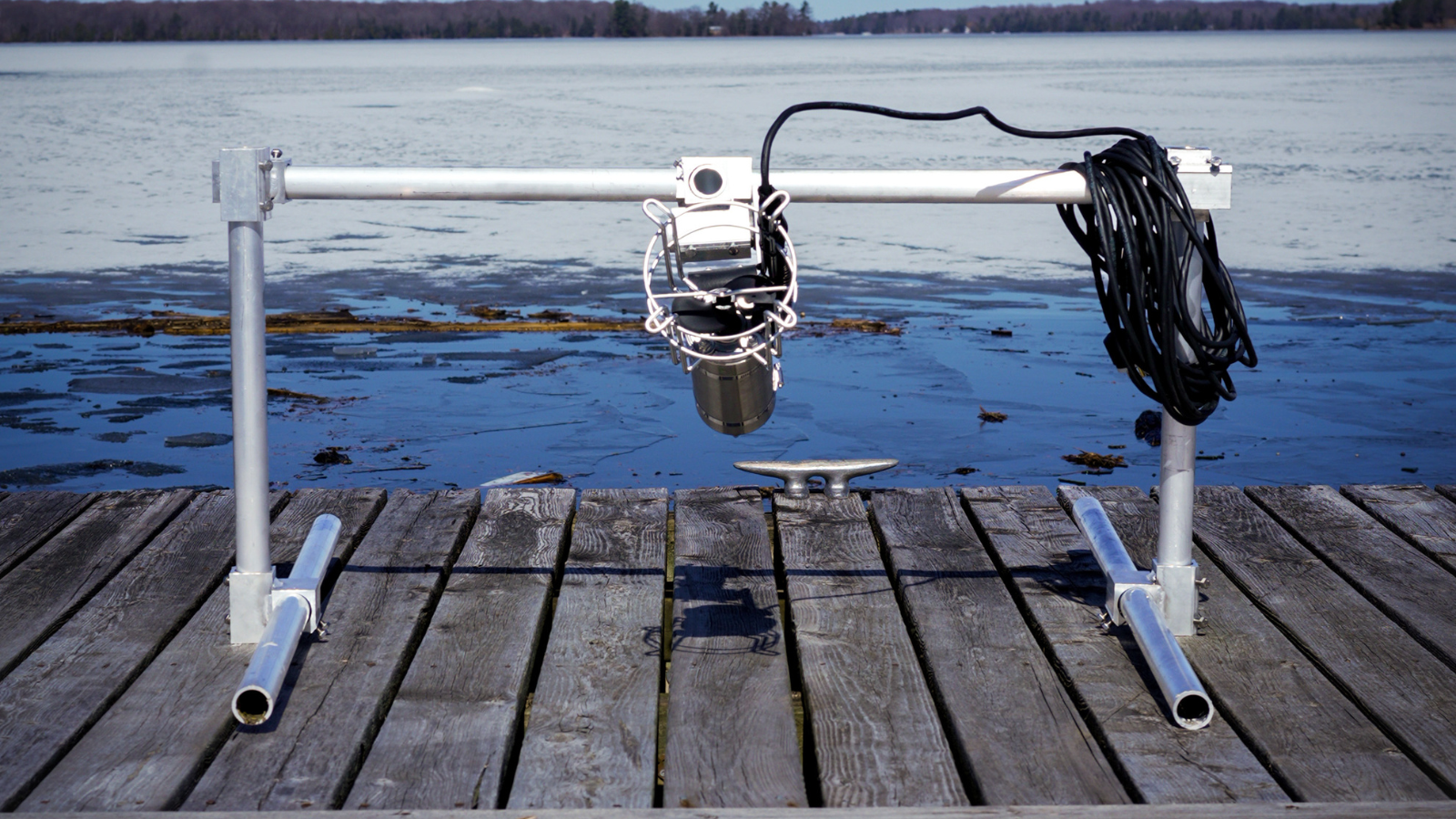
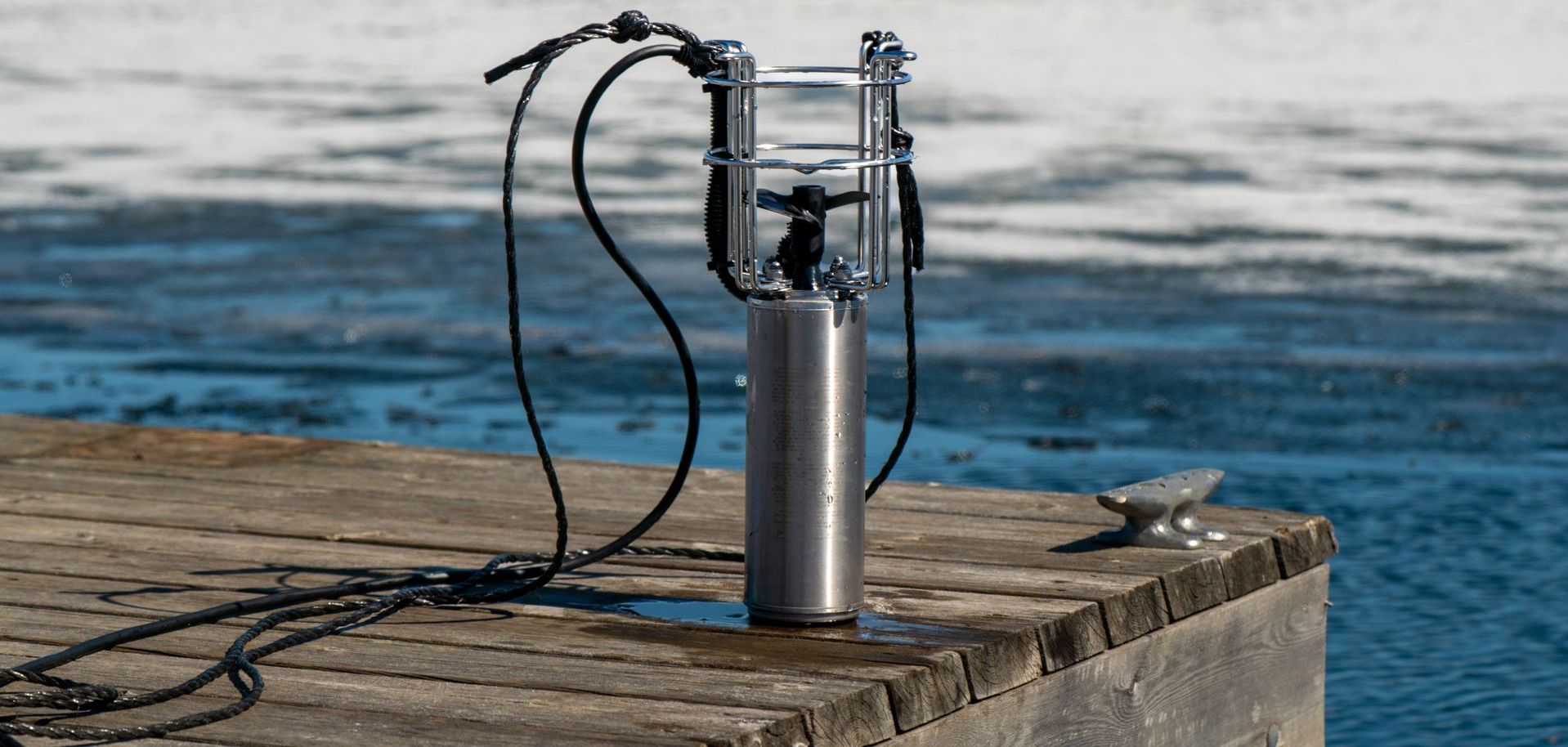
Water movement can be introduced in a controlled and consistent way using equipment designed for waterfront environments. A water circulator creates directional flow, while an oscillator expands that flow across a wider area.
When used together, they improve overall water conditions by:
- Extending the reach of moving water beyond a single point
- Preventing isolated pockets of stagnant water
- Supporting more even distribution of oxygen and temperature
This combined approach is explored further in Water Circulators and Oscillators: How They Work Together to Improve Waterfront Conditions, which outlines how coordinated movement leads to more stable shoreline environments.
Rather than acting as a direct removal method, these systems support aquatic weed control by addressing the conditions that allow weeds to thrive.
Seasonal Considerations for Weed Management
Weed growth is not constant throughout the year. It typically increases during warmer months when sunlight and nutrient activity peak. However, what happens outside of the growing season also matters.
During colder months, reduced water movement can allow organic material to settle and decompose, adding to nutrient levels that fuel growth in the spring. Maintaining circulation year-round helps limit this buildup.
Planning for seasonal changes often involves understanding how equipment placement and sizing affect performance. Resources like Where to Place a Dock De-Icer for Maximum Ice Protection highlight how water movement strategies extend beyond winter protection and contribute to overall shoreline health.
Similarly, selecting appropriate equipment ensures consistent performance across changing conditions. Guidance found in How to Choose the Right Size Dock De-Icer for Your Waterfront can support better long-term planning for water movement systems.
Supporting Long-Term Shoreline Health
Effective weed management is not about quick fixes. It involves understanding the environmental factors that drive growth and making adjustments that support balance over time.
Water movement plays a key role in that process by:
- Limiting the buildup of organic material
- Reducing nutrient concentration in problem areas
- Supporting healthier oxygen levels
- Creating conditions that discourage excessive shoreline weeds
- Organizations like Conservation Ontario provide additional insight into watershed health and the importance of maintaining balanced aquatic systems.
By focusing on the underlying causes of aquatic weed control challenges, property owners can take a more sustainable approach that improves both water quality and shoreline usability over time.