
Water Circulators and Oscillators: How They Work Together to Improve Waterfront Conditions
Water conditions along a shoreline are constantly changing. As temperatures rise and seasonal activity increases, many waterfront properties begin to experience reduced clarity, sediment buildup, and increased plant growth. In most cases, these issues are not isolated. They are the result of limited water movement.
When water sits still, organic material settles, oxygen levels drop, and conditions begin to favour weeds and algae. Addressing these challenges starts with improving circulation, which is where water circulators and oscillators work together.
Why Water Movement Matters
Water that lacks movement becomes more vulnerable to imbalance. Sediment settles, nutrients accumulate, and oxygen distribution becomes limited. Over time, this contributes to murky water, odour, and increased vegetation near the shoreline.
Natural systems rely on circulation to maintain stability. In areas where wind and current are limited, especially in sheltered bays or around docks, that movement needs to be introduced artificially.
Conservation authorities across Ontario continue to highlight how shoreline conditions are influenced by water movement, sediment, and seasonal changes. Maintaining circulation is one of the most effective ways to reduce the buildup of organic material and support healthier nearshore conditions.
What Is a Water Circulator?
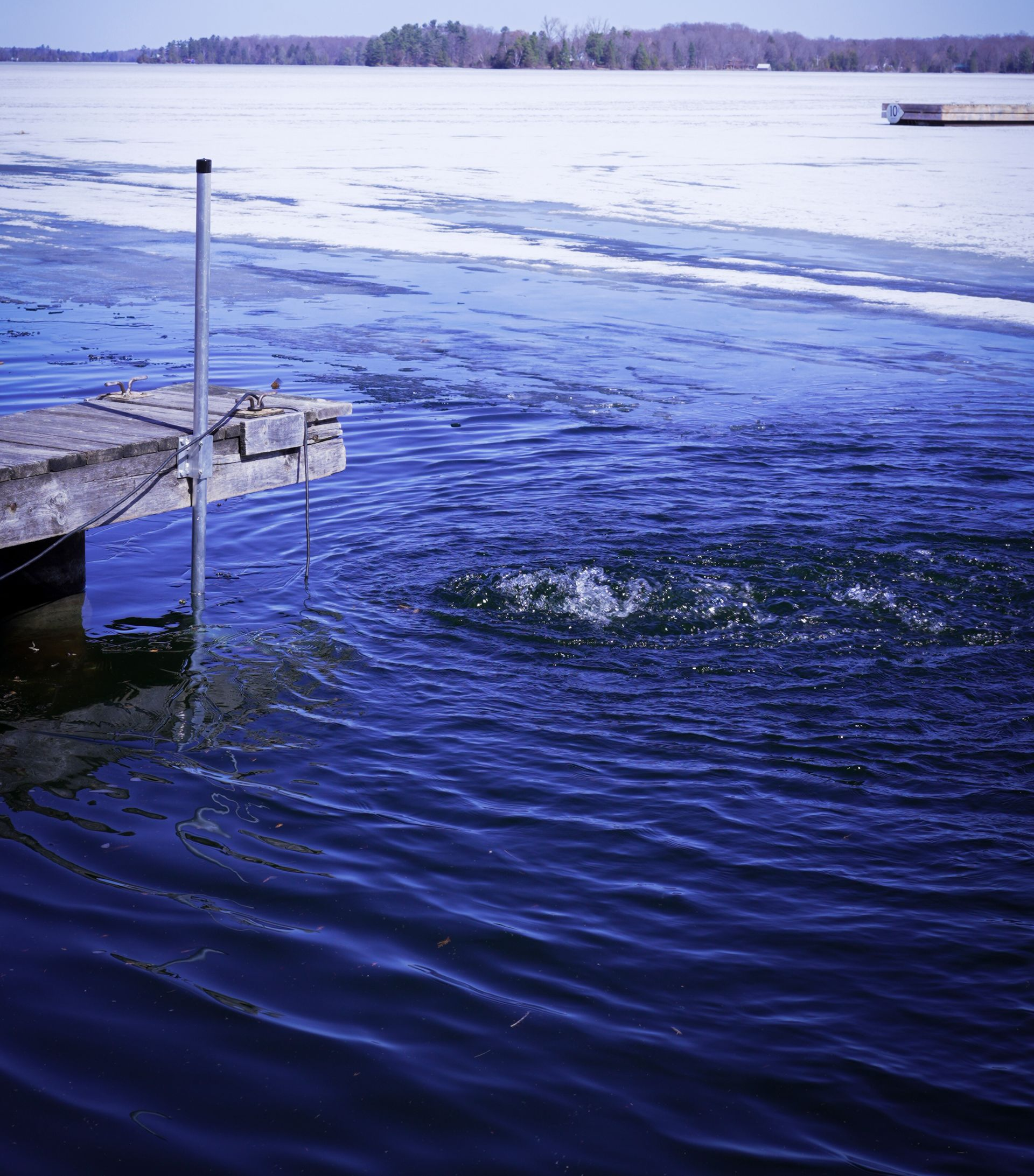
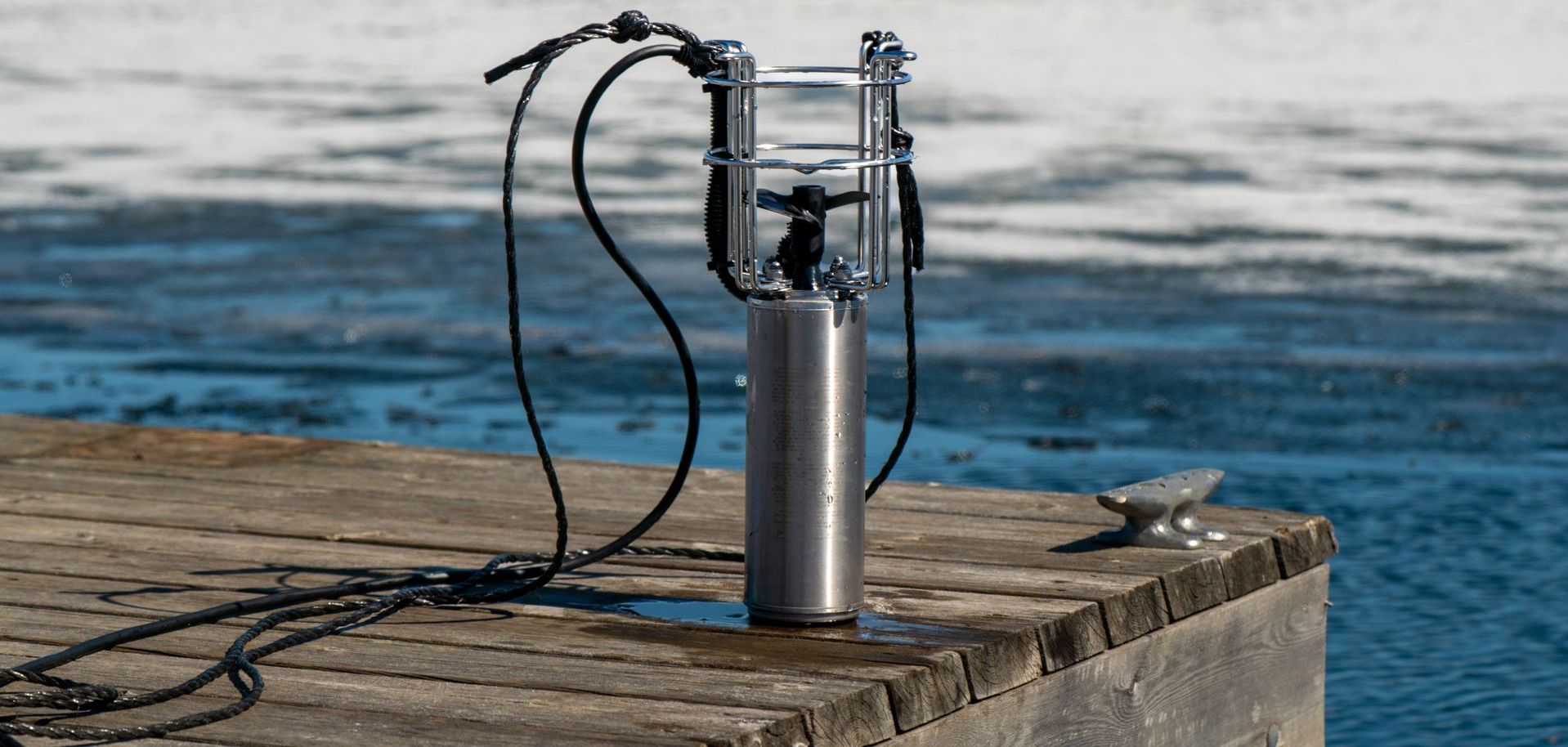
A water circulator is the foundation of a water movement system. It moves large volumes of water in a consistent direction, creating a steady current that helps prevent stagnation.
Circulators are commonly used to:
- Maintain water clarity around docks and lifts
- Reduce sediment buildup
- Improve oxygen distribution
- Keep water moving in defined areas
Because they create directional flow, circulators are effective at managing specific zones where water tends to sit still.
Water movement also plays a role in limiting the conditions that allow sediment and organic material to settle. Proper placement is critical, as seen in Where to Place a Dock De-Icer for Maximum Ice Protection, where water flow patterns directly impact how effectively an area is maintained.
What Is an Oscillator?
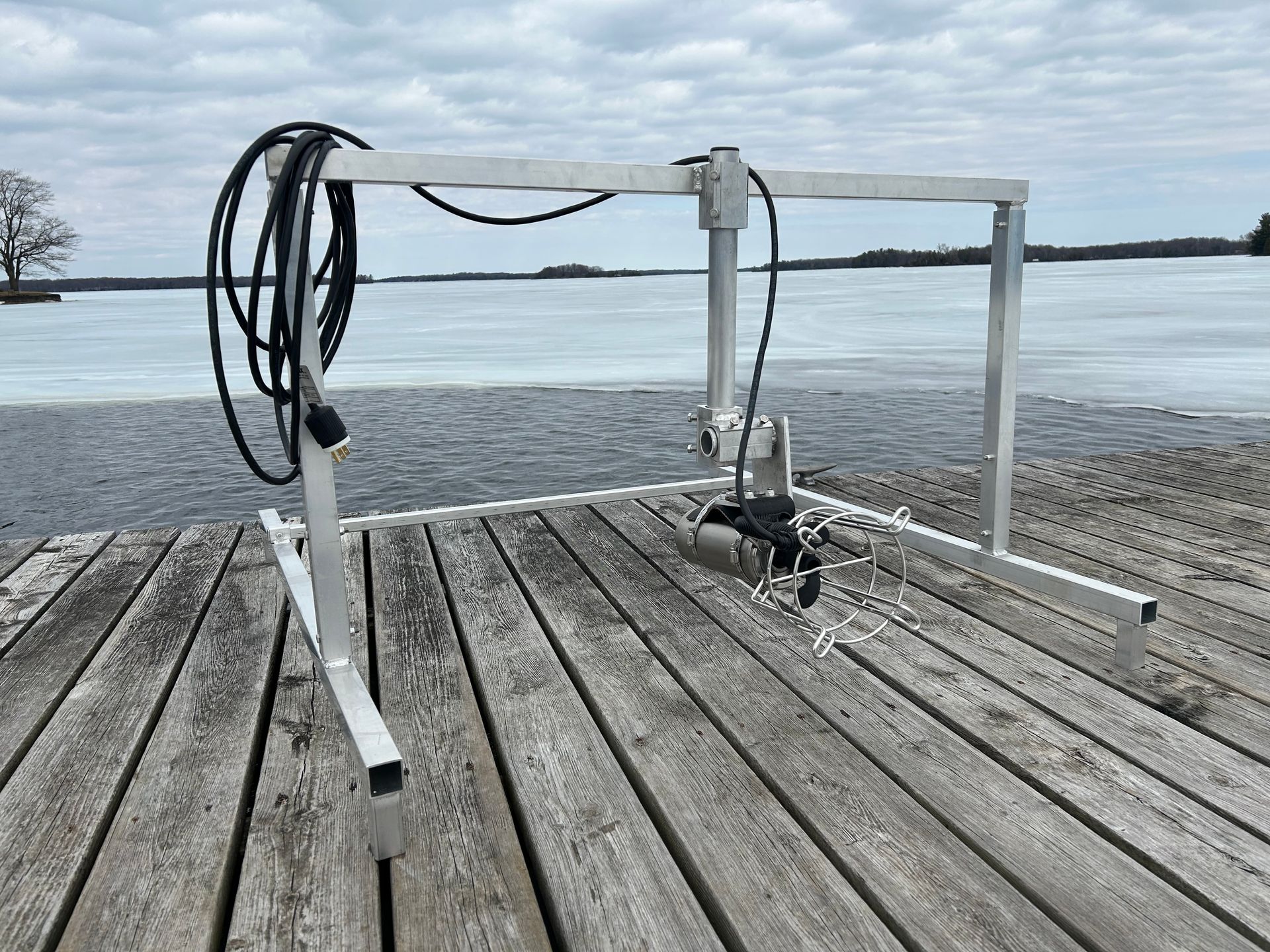
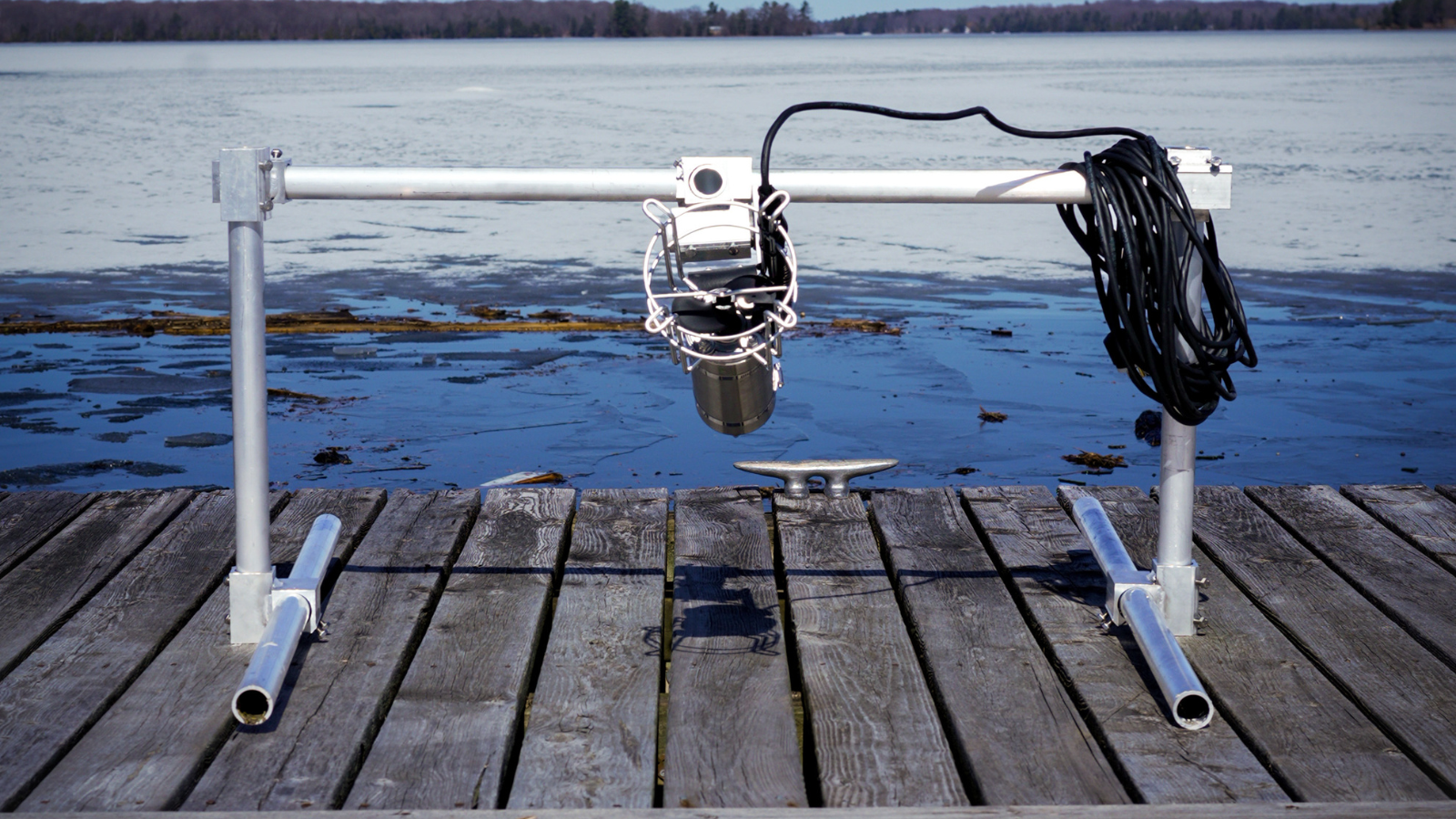
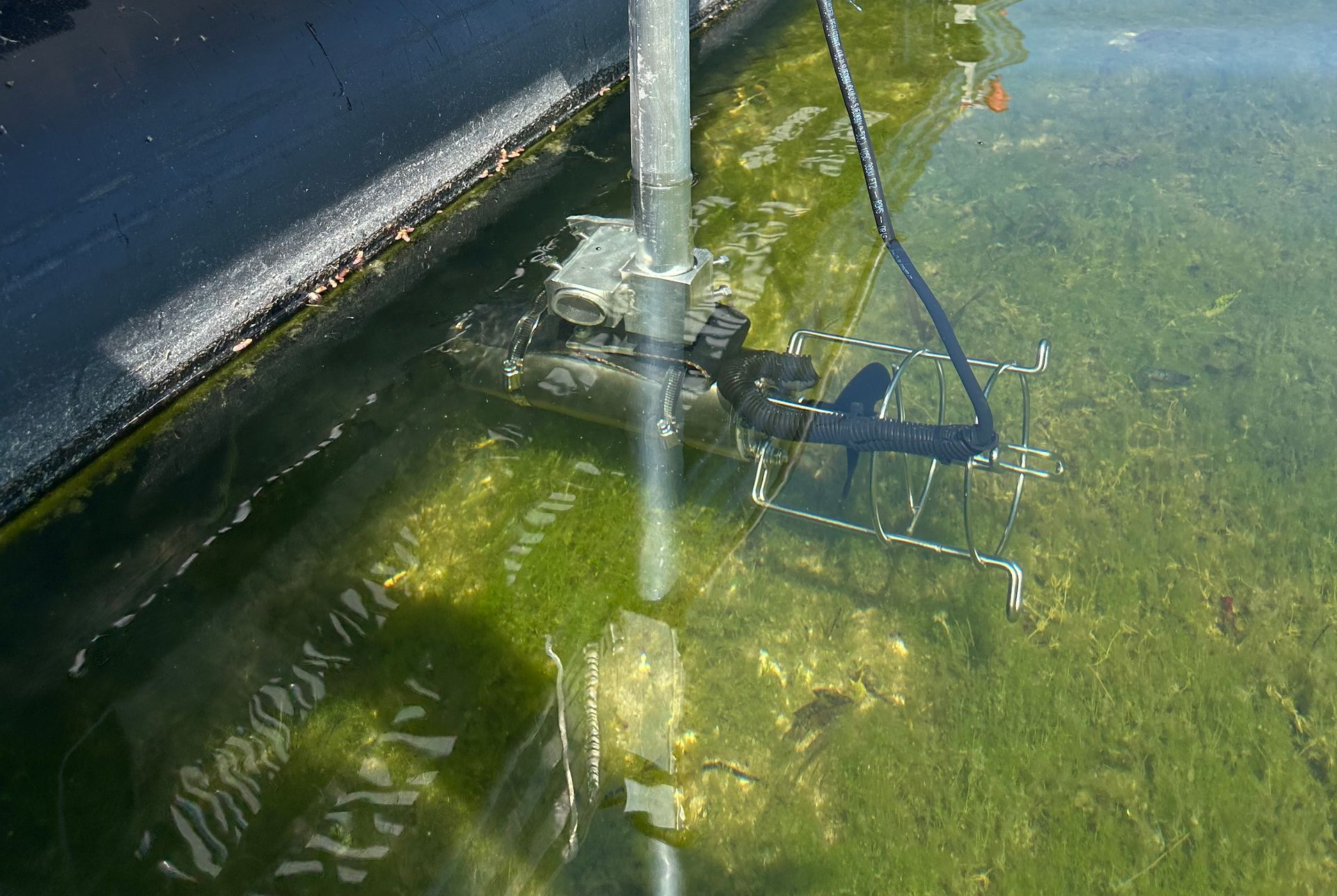
An oscillator is an attachment that enhances a circulator by changing the direction of its flow over time. Instead of pushing water in one fixed direction, it rotates or sweeps the output to cover a wider area.
This allows the same volume of water to be distributed more evenly across a shoreline.
Oscillators are used to:
- Reduce dead zones where water does not naturally circulate
- Expand coverage across irregular shorelines
- Improve consistency in water movement
- Limit areas where sediment can settle
This becomes especially important in waterfronts with varying depths or obstructions that interrupt natural flow.
Managing Muck and Shoreline Debris
Soft lakebed conditions near docks are common in spring. Organic material accumulates and settles in areas where water movement is minimal.
When paired with an oscillator system, circulation can help sweep debris and prevent buildup from becoming concentrated in one area. Oscillation systems are designed to move debris in a controlled pattern, helping maintain a cleaner shoreline footprint throughout the season.
This combination supports improved aesthetics and easier dock access during peak use months.
How Circulators and Oscillators Work Together
A circulator moves water. An oscillator determines where that water goes.
On their own, circulators create consistent directional movement. When paired with an oscillator, that movement is distributed across a broader area, helping reduce stagnant pockets and improving overall coverage.
This combination allows waterfront owners to manage conditions more effectively without relying on multiple fixed-direction systems.
Water behaviour throughout the year also impacts performance. Factors like depth, exposure, and seasonal changes influence how movement is distributed, which is also reflected in How to Choose the Right Size Dock De-Icer for Your Waterfront, where similar conditions affect system performance.
When to Use a Circulator Alone vs With an Oscillator
The right setup depends on the layout and behaviour of your waterfront.
A circulator alone may be sufficient when:
- You need directional flow in a defined area
- Your shoreline is relatively uniform
- You are targeting a specific zone such as a dock or lift
Adding an oscillator becomes more effective when:
- The shoreline is irregular or wide
- Water movement is inconsistent
- You are trying to cover multiple areas
- Dead zones are forming outside of a single flow path
The Role of Circulation in Overall Water Conditions
Water movement plays a broader role than appearance. It supports oxygen distribution, reduces stagnation, and helps limit the conditions that allow excessive plant growth to develop.
National environmental resources, including Fisheries and Oceans Canada, outline how water movement contributes to overall aquatic balance and ecosystem function.
Similarly, Environment and Climate Change Canada highlights how water quality is influenced by circulation, temperature, and nutrient distribution across freshwater systems.
Choosing the Right Setup for Your Waterfront
Every shoreline is different. Depth, exposure to wind, surrounding vegetation, and seasonal changes all influence how water behaves.
Circulators provide the foundation for movement, while oscillators expand that movement across a wider area. Together, they create a more complete approach to maintaining cleaner, more stable waterfront conditions throughout the season.