
What Happens When Water Stops Moving
At first, nothing seems wrong.
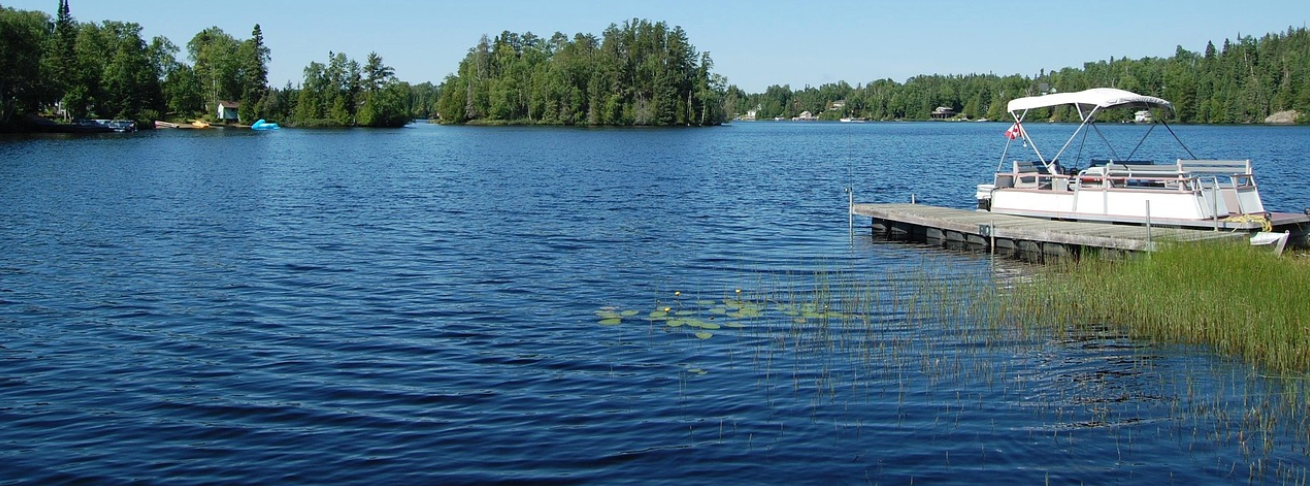
The water is calm. The shoreline looks the same as it did the year before. Early in the season, everything feels normal. The dock is back in, the lake has cleared, and the surface looks clean.
Then, slowly, things begin to change.
It Starts Below the Surface
As the water settles after ice-out, organic material begins to collect. Leaves, sediment, and fine debris drift toward the shoreline and sink.
Without movement, that material stays in place.
What builds up over time is not immediately visible. It settles quietly along the lakebed, especially in shallow areas where docks and shorelines limit natural flow.
This is where the shift begins.
Organizations like
Conservation Ontario note that reduced water movement allows sediment and nutrients to concentrate in nearshore areas, which can influence overall shoreline conditions as temperatures rise.
The Water Changes
As temperatures rise, the character of the water can begin to shift.
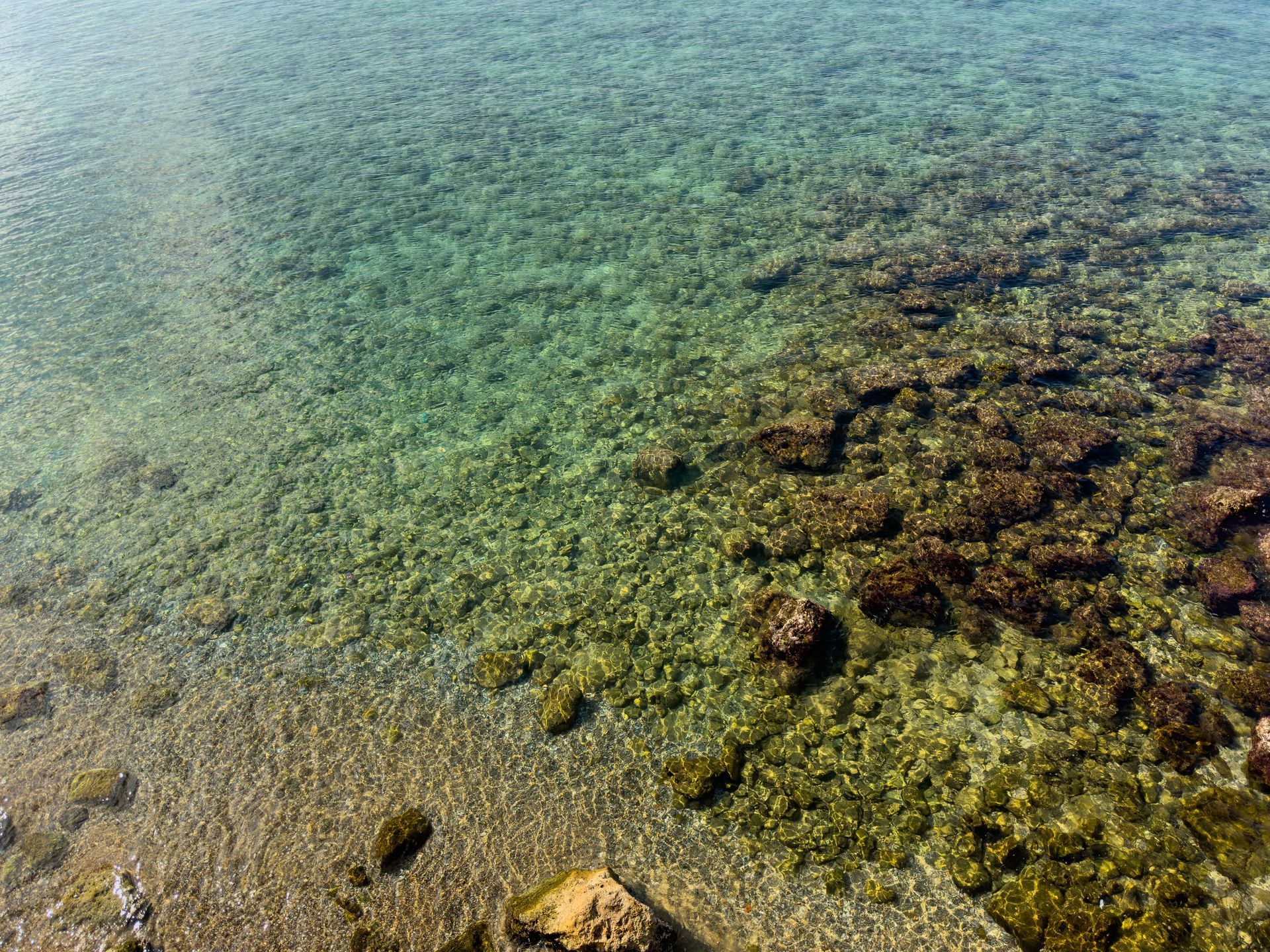
What was clear earlier in the season may start to look slightly different. The bottom may feel softer underfoot. In some areas, the water may appear less settled than it did before.
These changes are gradual. They don’t happen all at once, and they’re not always easy to define. More often, they’re something people notice over time without a clear starting point.
Growth Begins to Show
By early summer, those subtle changes become easier to see.
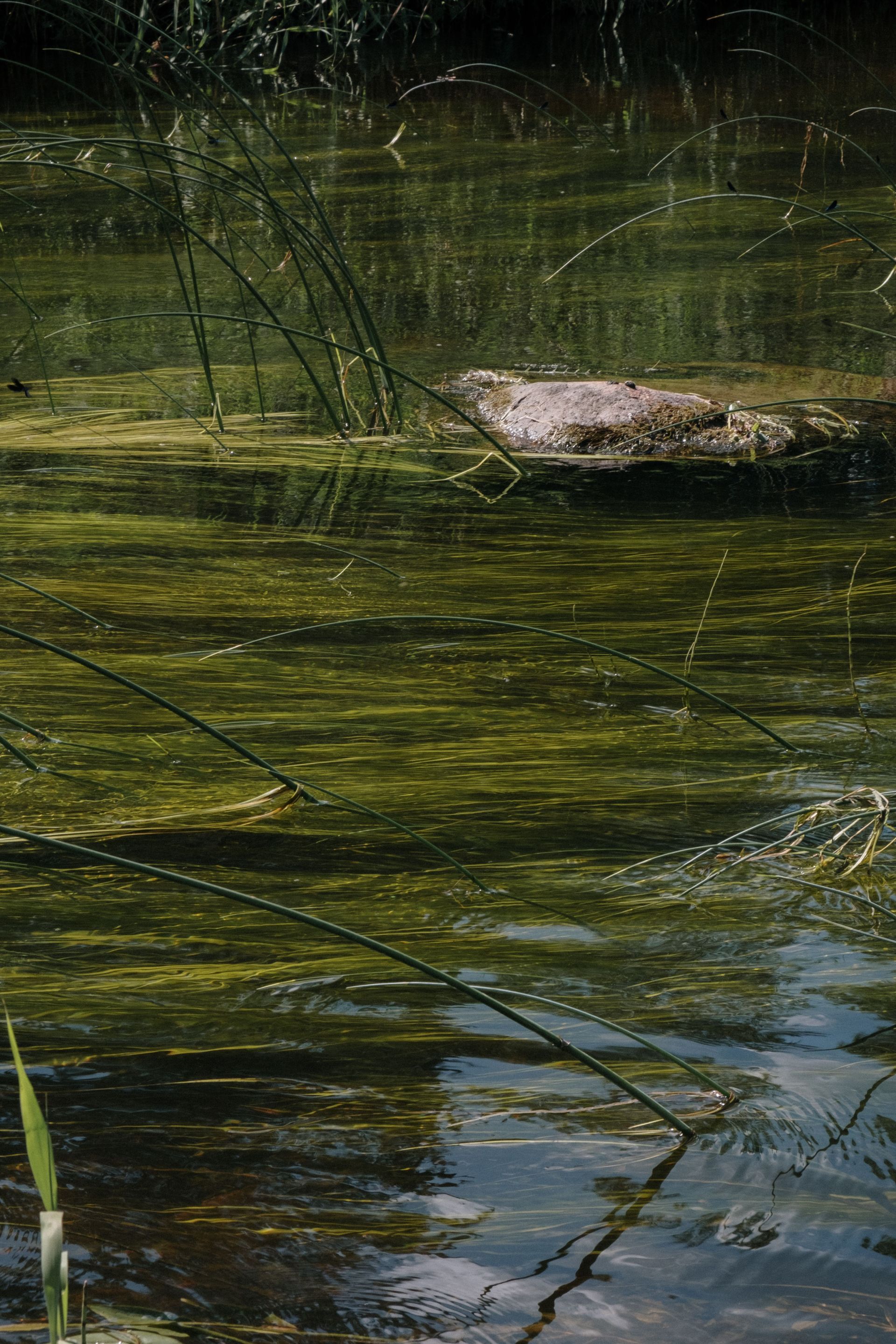
Aquatic plants begin to appear in areas where conditions allow them to take hold. This often happens in the same locations year after year, particularly in shallow or sheltered areas.
These are typically the spots where water tends to remain more still compared to the rest of the shoreline.
Over time, the pattern becomes familiar. Some areas stay relatively clear, while others begin to fill in.
The Shoreline Feels Different
As the season progresses, the shoreline can begin to feel less consistent.
Walking into the water may disturb soft material along the bottom. In some areas, the water may appear less clear, especially after movement or activity.
None of this happens suddenly.
It builds gradually, shaped by how water behaves over time.
What Movement Changes
When water moves, even slightly, these patterns tend to look different.
Areas that would otherwise remain still begin to shift. Conditions become less concentrated in one place, and buildup is less consistent across the shoreline.
Movement does not stop natural processes, but it can influence how evenly they appear.
Water movement is one of the key factors that separates areas that remain relatively stable from those that change more noticeably over the course of a season. Broader environmental resources, including those from Fisheries and Oceans Canada, highlight how circulation plays a role in maintaining aquatic balance.
Where Systems Begin to Play a Role
In many waterfronts, natural movement varies depending on location.
Around docks, along edges, and in more protected sections, water may not move as consistently as it does in open areas.
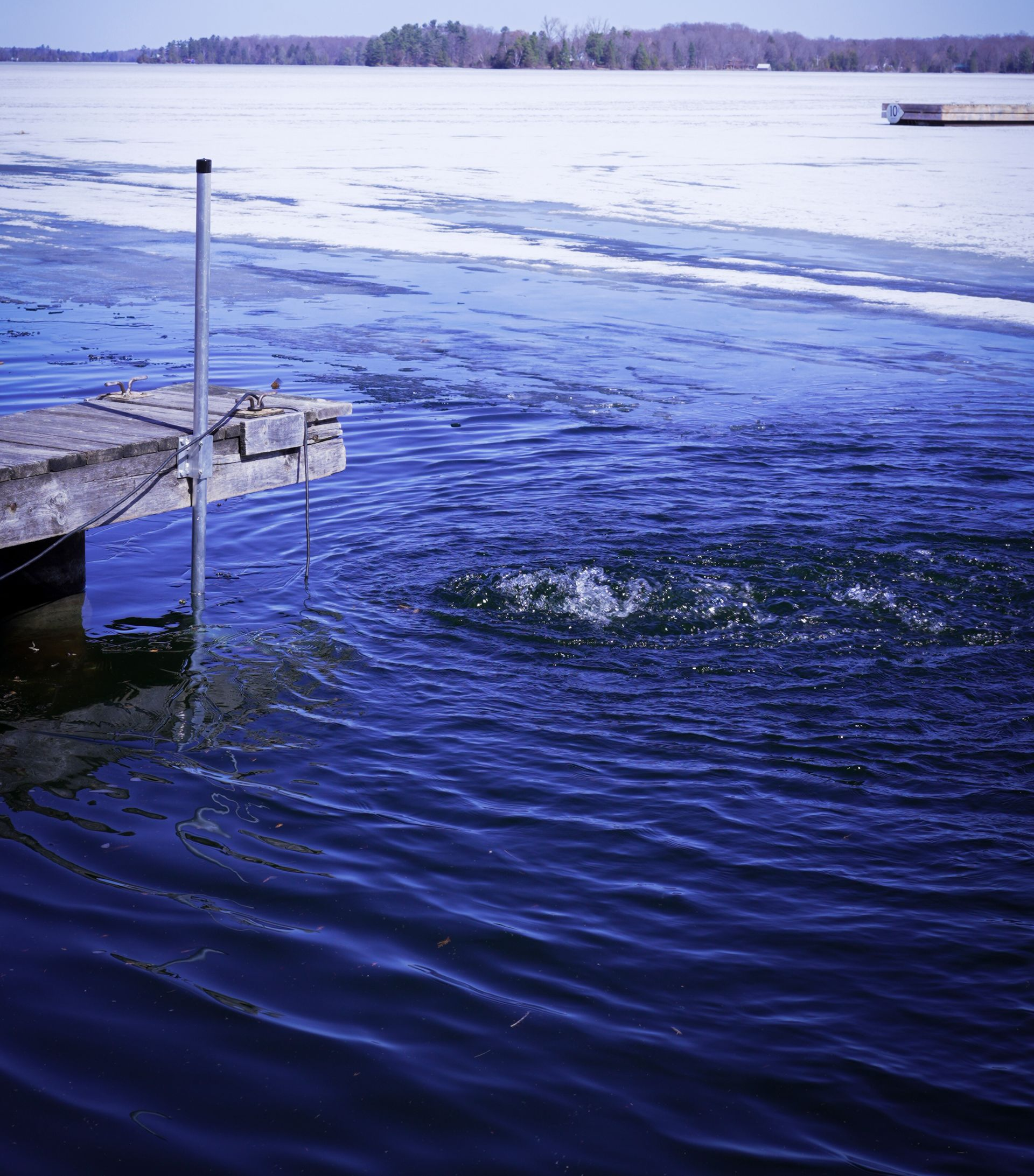
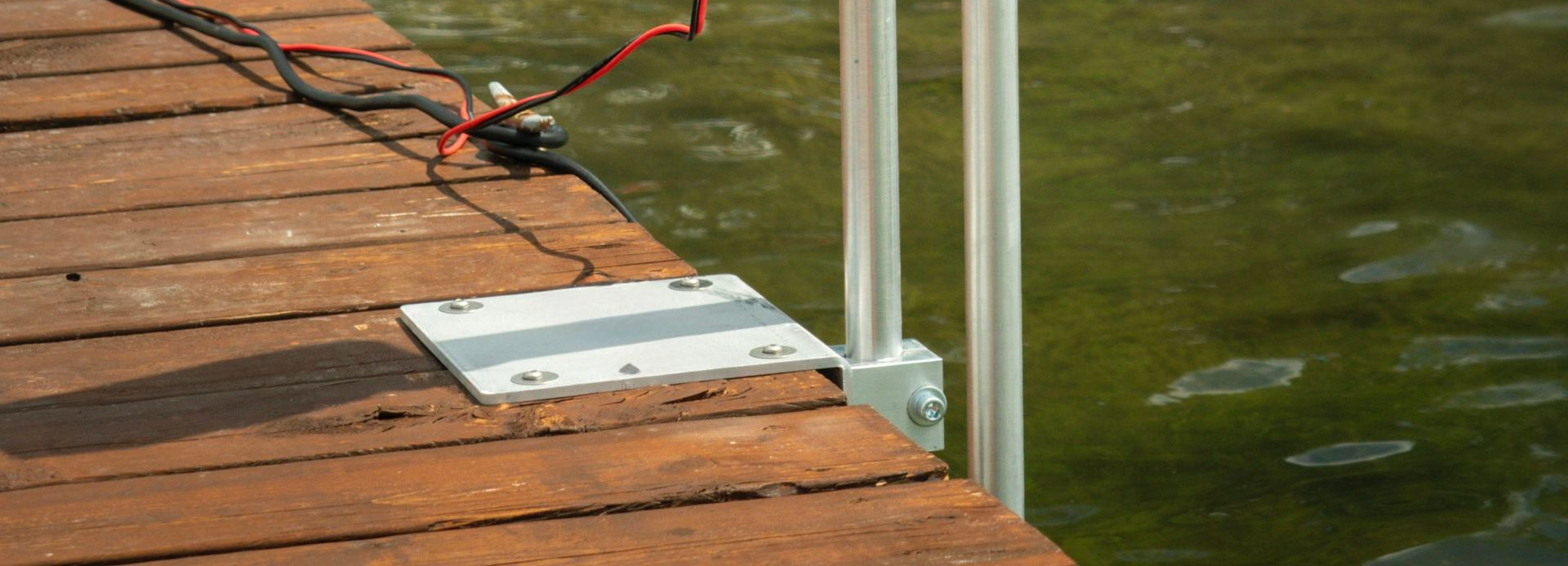
In these situations, systems that introduce movement can help create more consistent conditions across a wider area.
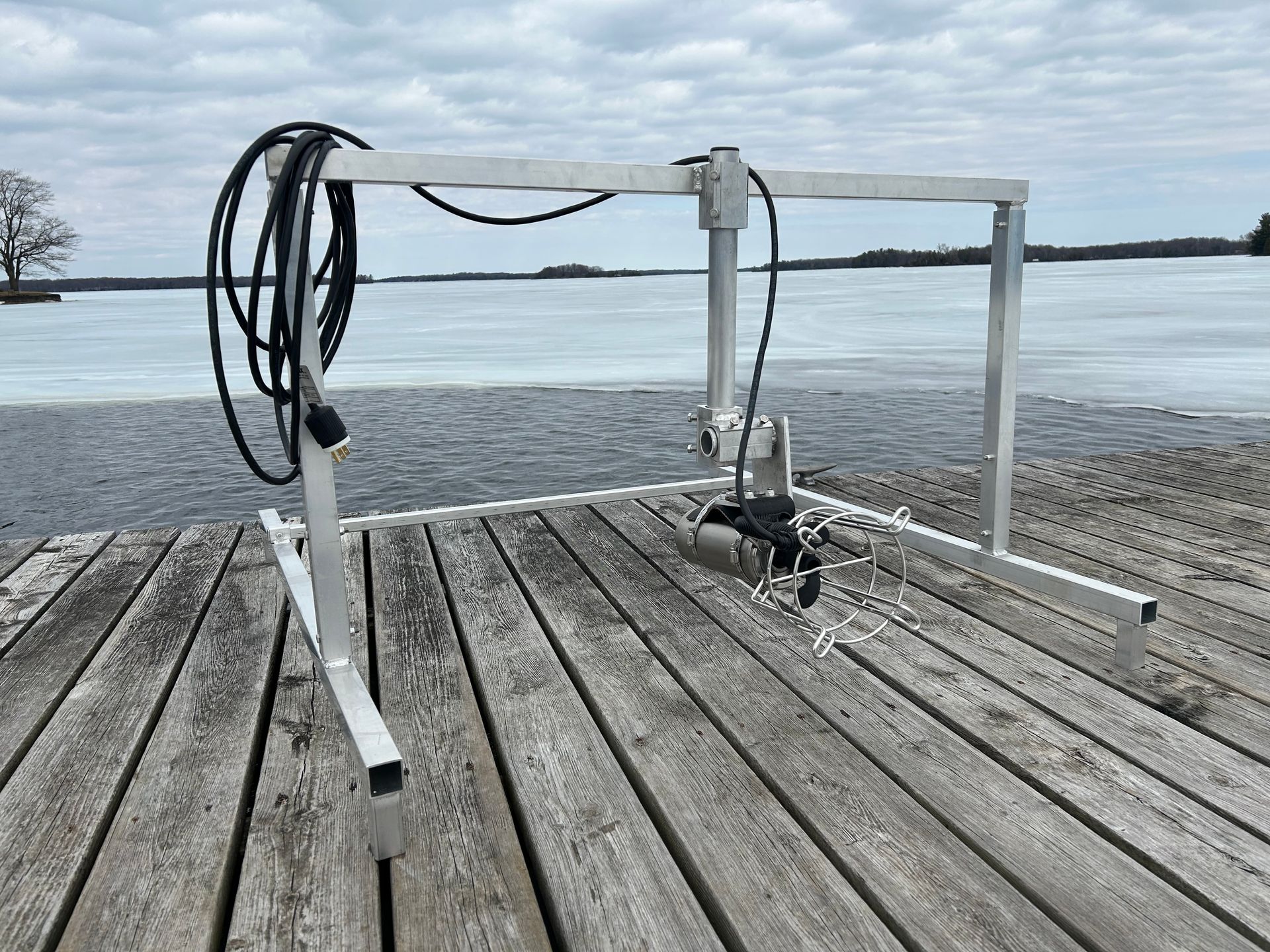
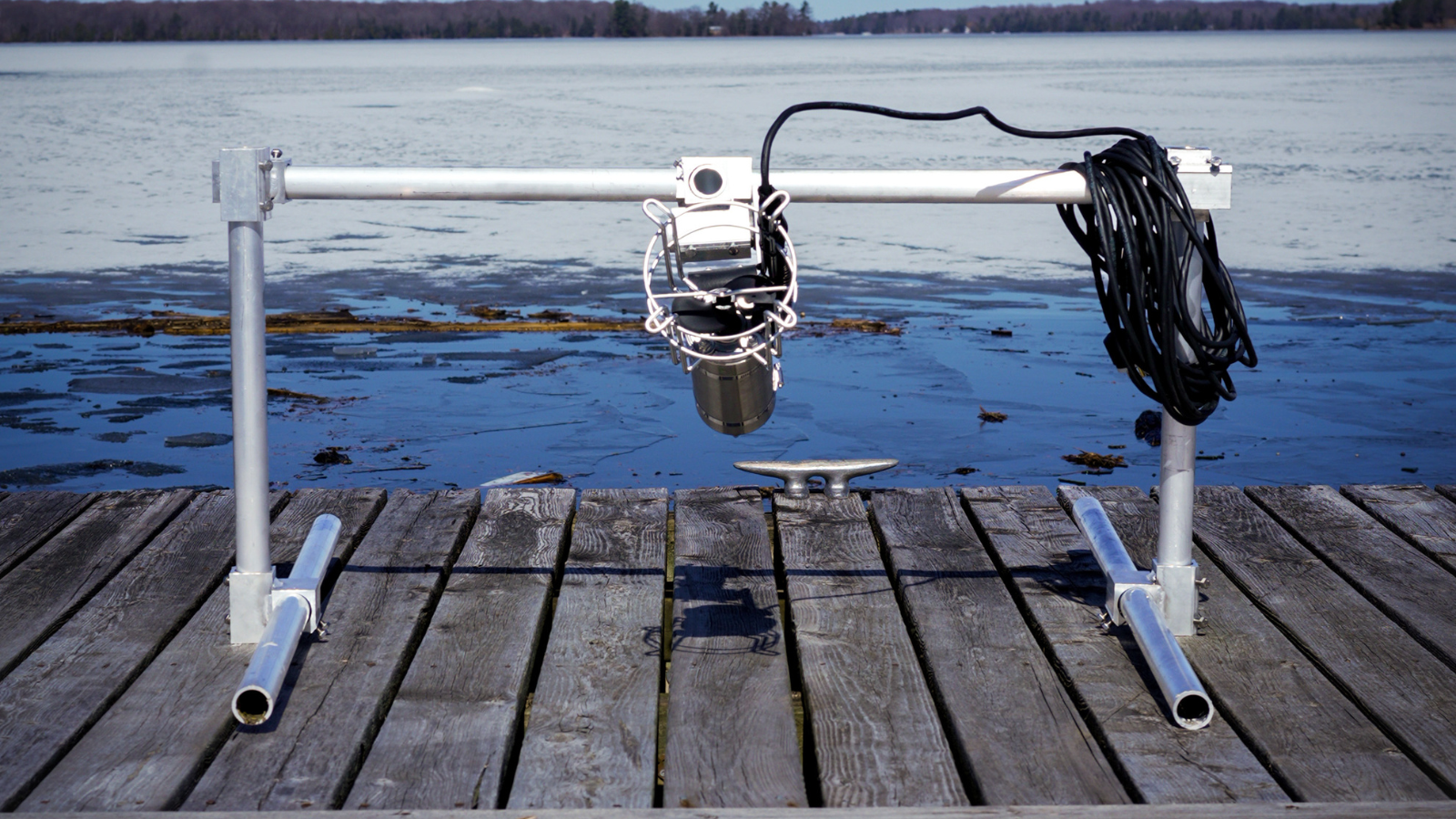
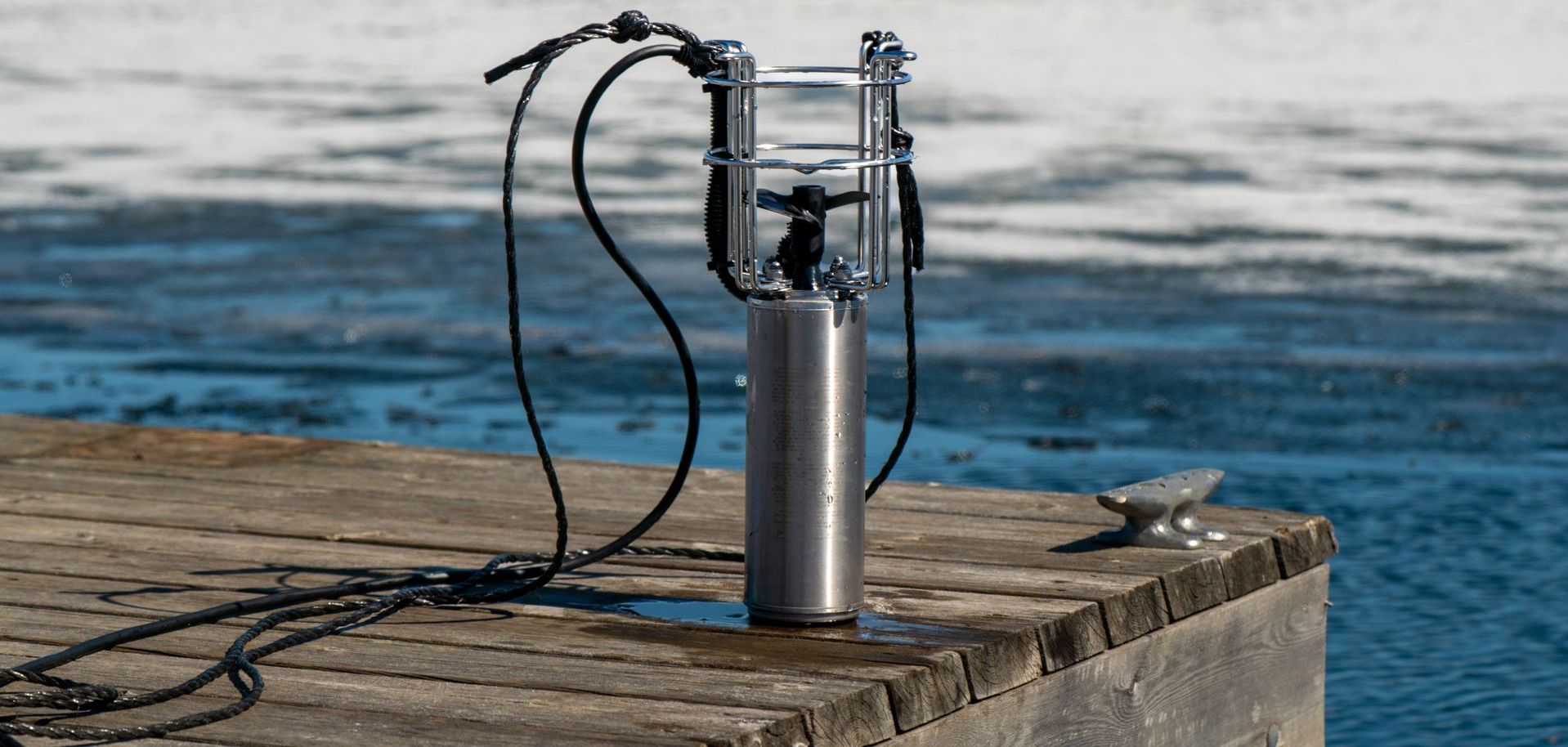
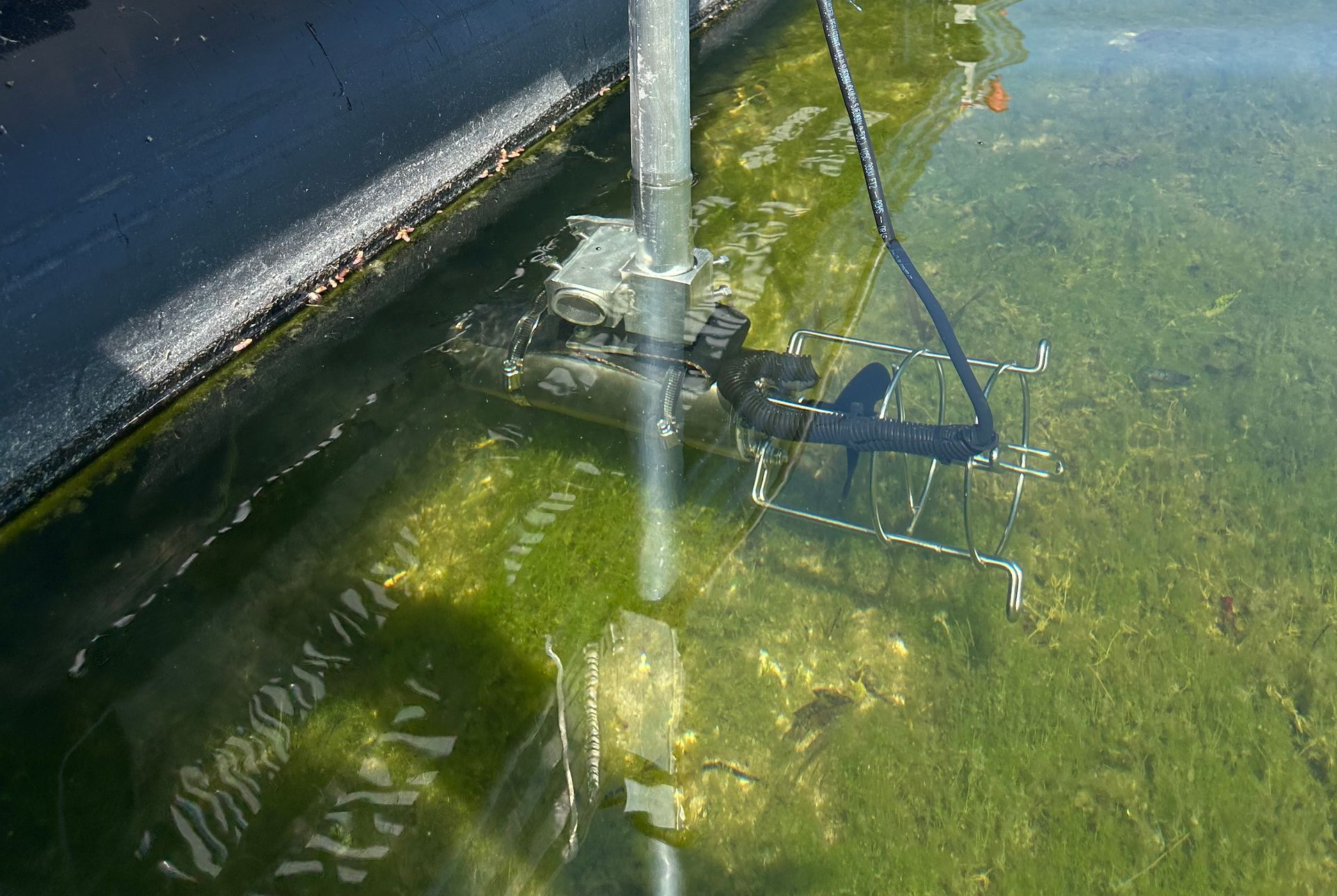
A water circulator introduces steady flow, while an oscillator changes the direction of that flow over time, allowing it to reach beyond a single path.
Together, they influence how water moves across the shoreline rather than leaving it concentrated in one direction. Placement and positioning play a role in how effectively that movement is distributed, particularly in areas where water flow is limited or obstructed.
What Often Goes Unnoticed
Most changes along a shoreline don’t come from a single moment.
They develop gradually, influenced by how water behaves day to day.
Over time, patterns form. Some areas remain relatively consistent, while others shift more noticeably throughout the season.
Understanding those patterns makes it easier to recognize why certain areas change more than others. Environmental guidance from Environment and Climate Change Canada continues to highlight how circulation, temperature, and seasonal factors influence freshwater conditions.
Before It Starts Again
By late summer, the pattern is usually clear.
What changed over the course of the season tends to return in familiar ways the following year.
And while those changes may seem small at first, they often follow a similar path each time.
Which is why paying attention to how water behaves, especially in quieter areas of a shoreline, can make a difference long before those changes become more noticeable.
Conditions observed during the warmer months often influence how waterfront systems are planned heading into colder seasons, including how equipment is selected and sized for changing conditions.