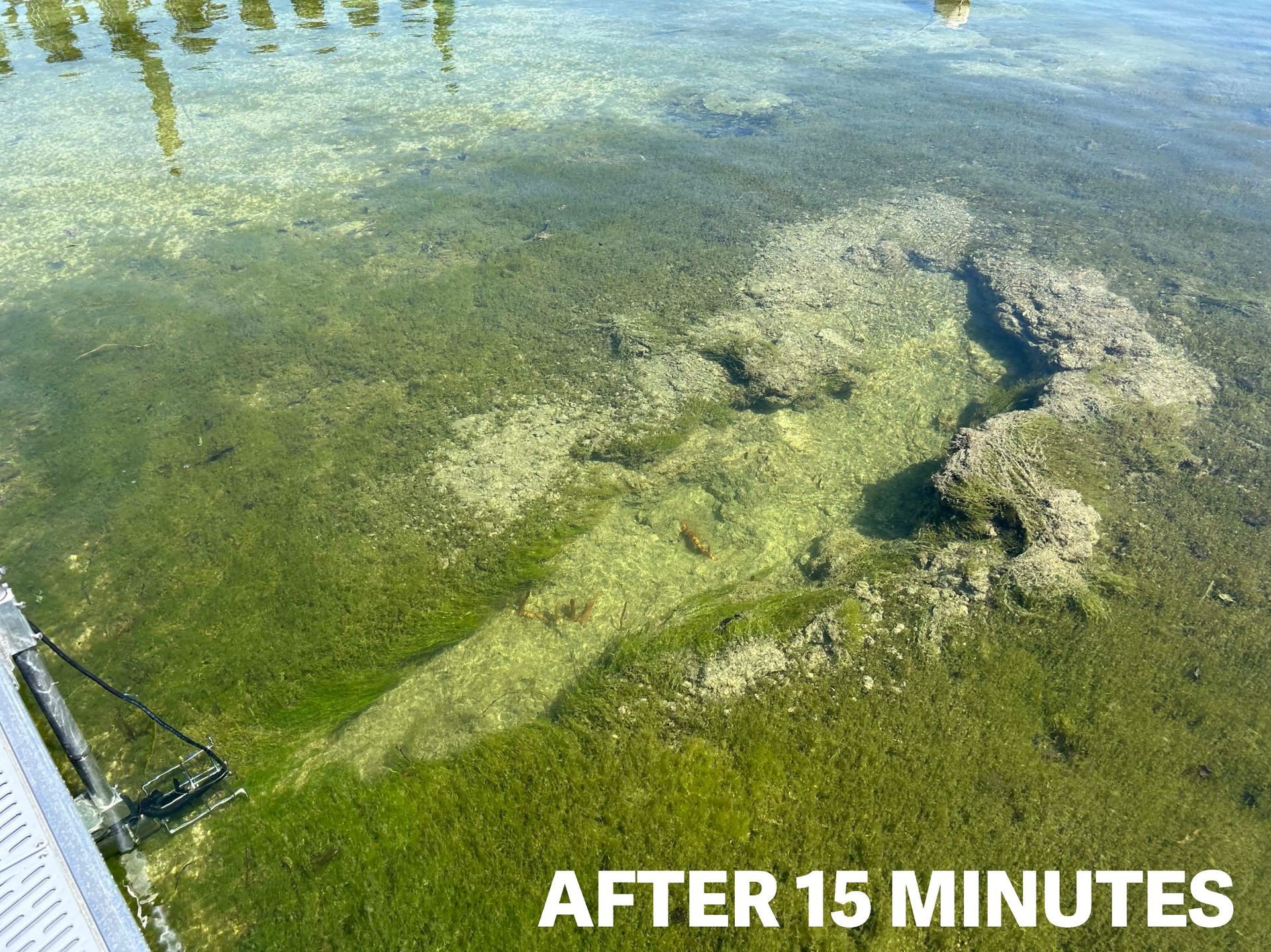

Why Is the Bottom Around My Dock So Soft?
At the beginning of the season, the shoreline often looks the same as it always has.
The dock goes back in. The water clears after ice-out. Everything appears normal from the surface.
Then someone steps into the water and notices it immediately.
The bottom feels softer than it used to.
In some areas, sediment lifts with every step. Near the dock, the lakebed may feel uneven, muddy, or unsettled compared to the rest of the shoreline.
These changes are common in waterfront areas where conditions gradually shift over time.
What Causes a Soft Lake Bottom?
A soft lakebed usually develops slowly.
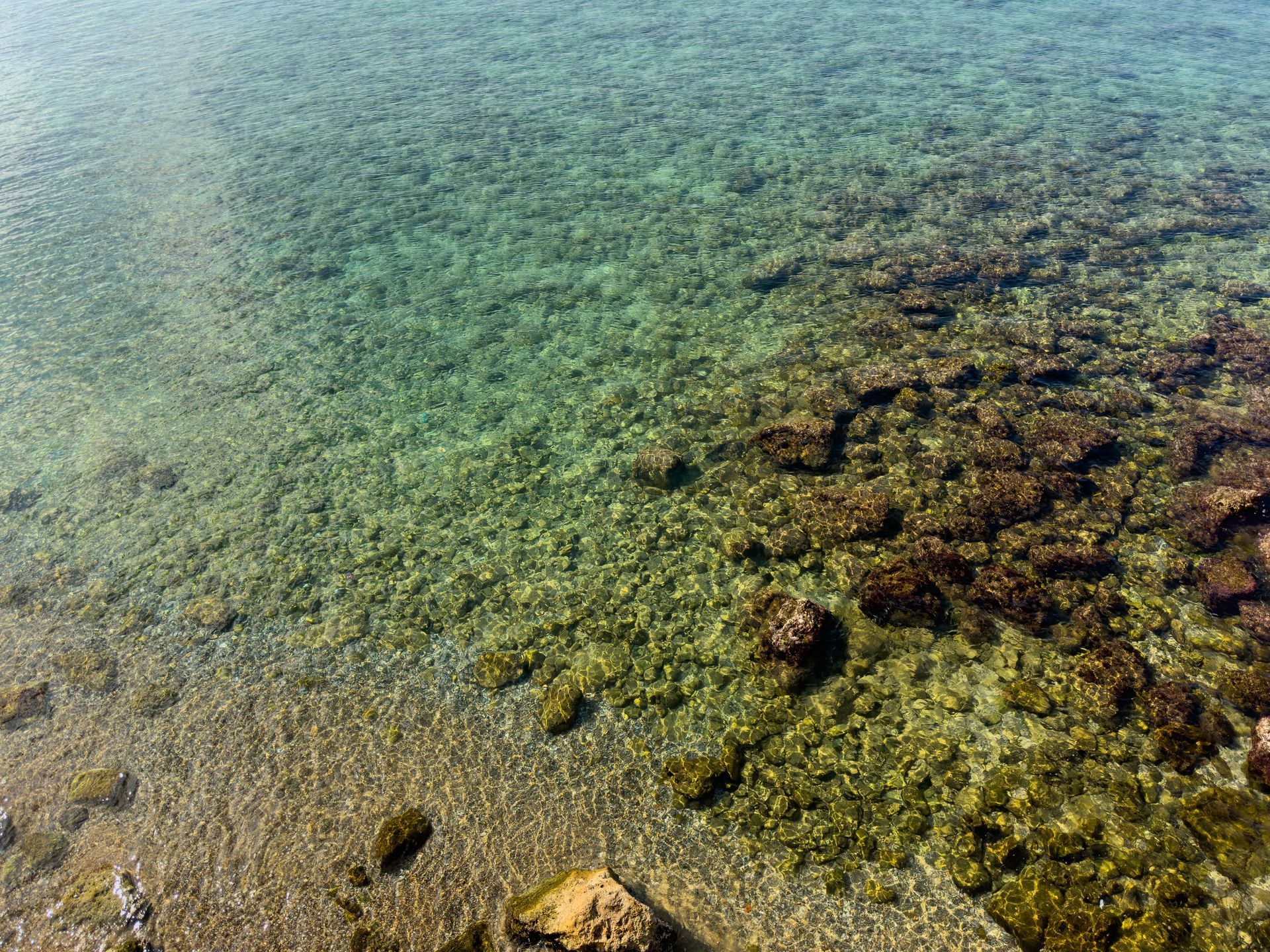
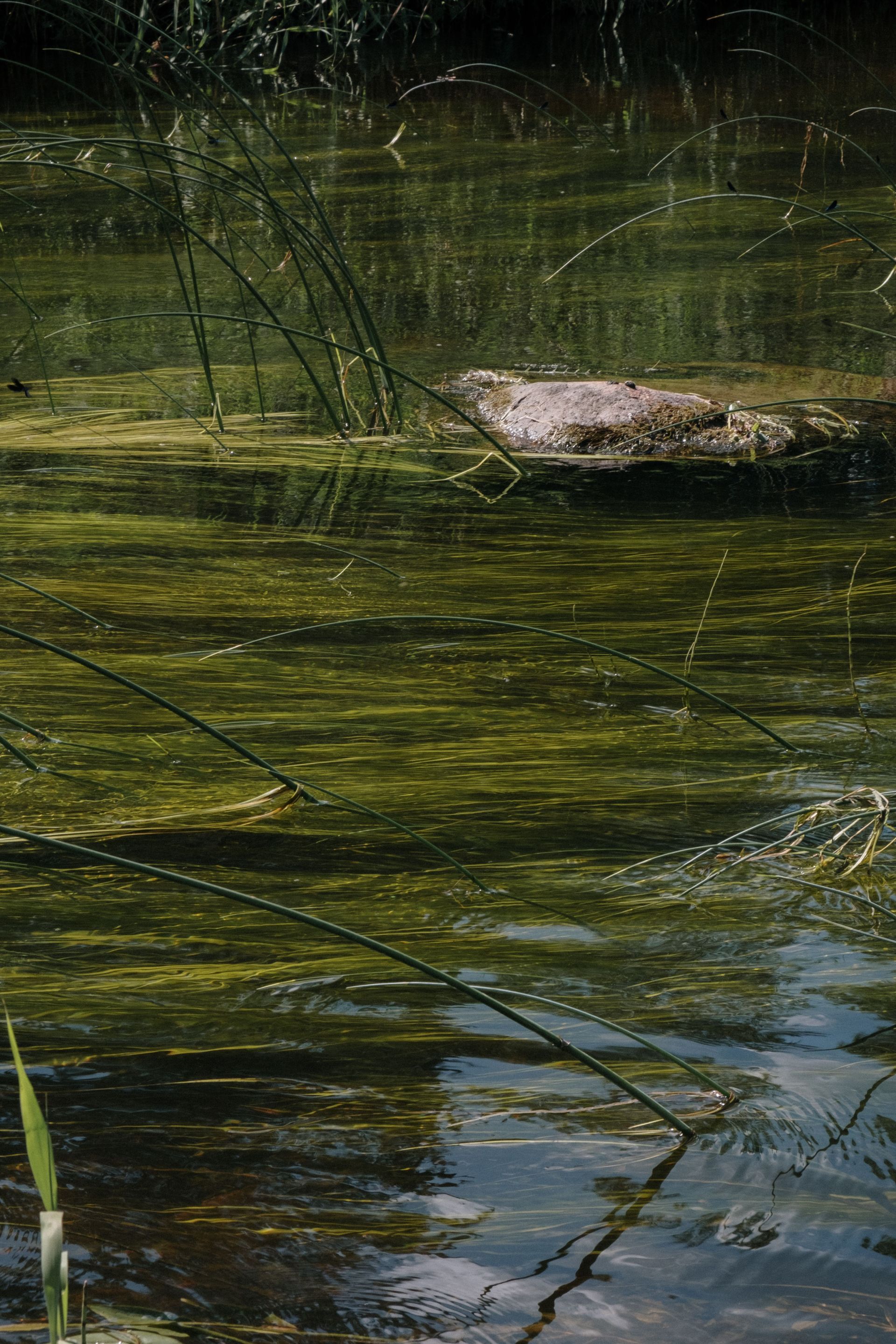
Over the course of a season, organic material such as leaves, sediment, algae, and fine debris settles near the shoreline. In areas where water movement is limited, that material tends to remain in place rather than dispersing naturally.
As layers build over time, the bottom begins to feel softer underfoot.
This is especially common in:
- Sheltered shoreline areas
- Shallow water near docks
- Locations with limited natural current
- Areas where sediment consistently settles
Across
Ontario, shoreline organizations continue to note how nearshore conditions are influenced by water movement, sediment behaviour, and seasonal environmental changes.
Why It Often Happens Around Docks
Docks naturally interrupt water flow.
While open water continues to move with wind and current, areas around docks and shoreline structures can experience calmer conditions. Over time, this creates spaces where sediment and organic material are more likely to settle.
The change is usually gradual.
One season may not feel much different from the last, but after several years, the lakebed around a dock can begin to feel noticeably softer than surrounding areas.
This is also why some waterfronts remain relatively consistent while others continue to change each summer.
What Builds Up Beneath the Surface
In many cases, the softness is not caused by one thing alone.
It is a combination of:
Fine sediment
Organic debris
Decaying plant material
Algae accumulation
Reduced water movement
As this material settles and breaks down, the bottom can become less stable and more easily disturbed.
Environmental agencies, including Fisheries and Oceans Canada, continue to describe how water movement and sediment distribution influence overall aquatic conditions in nearshore environments.
Why Some Areas Get Worse Over Time
Once buildup begins, the pattern often repeats itself.
Sediment settles in the same low-movement areas year after year. As the lakebed changes, it becomes easier for additional material to collect in those same locations.
In warmer months, these areas may also experience:
- Increased aquatic plant growth
- Reduced water clarity
- More noticeable sediment disturbance
- A softer shoreline edge
These conditions are often more noticeable in protected shoreline sections where water movement remains limited throughout the season.
How Water Movement Changes Conditions
When water moves consistently, sediment is less likely to settle in concentrated areas.
Movement helps distribute fine material more evenly and reduces the tendency for buildup to remain in one location for long periods of time.
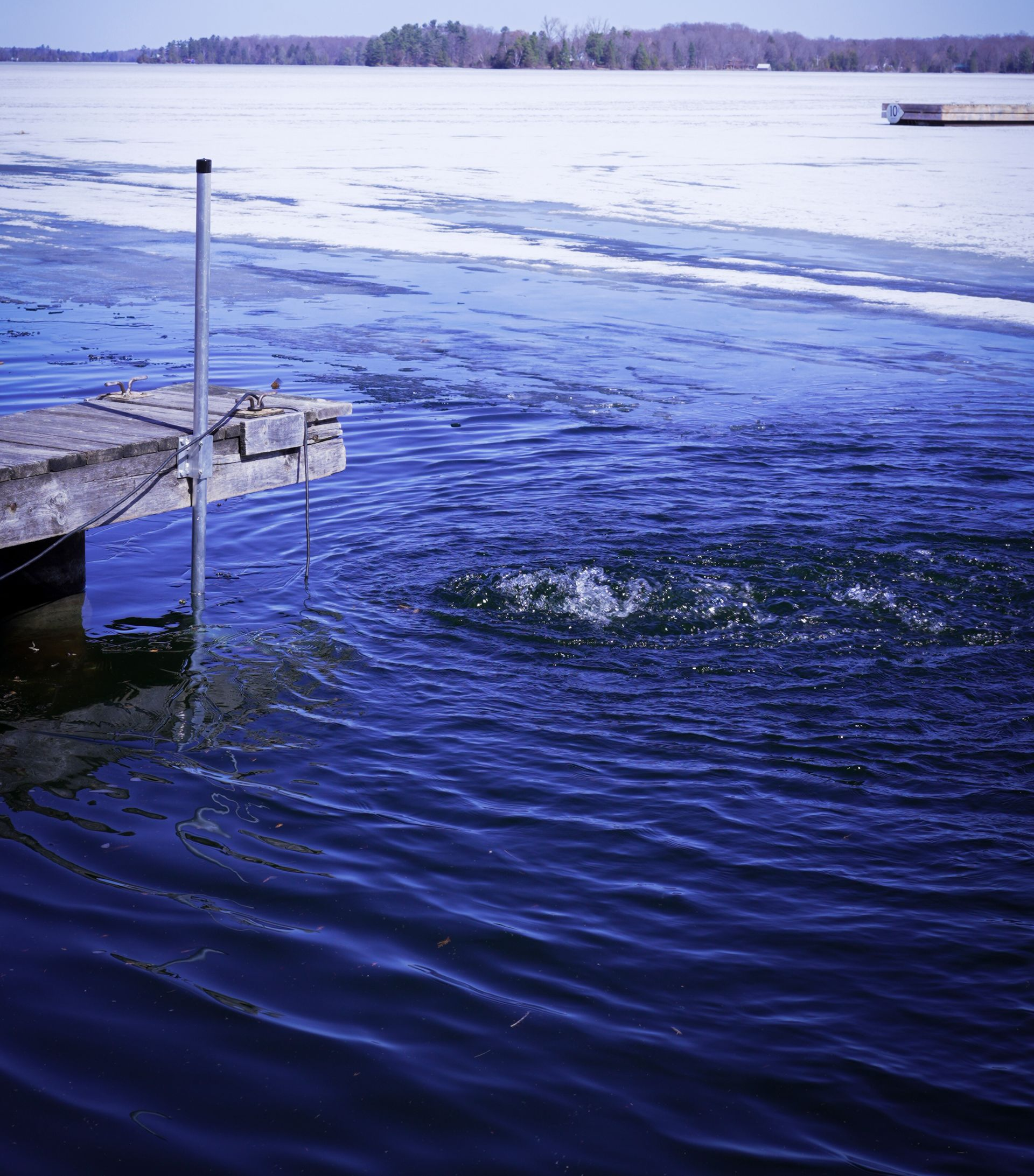
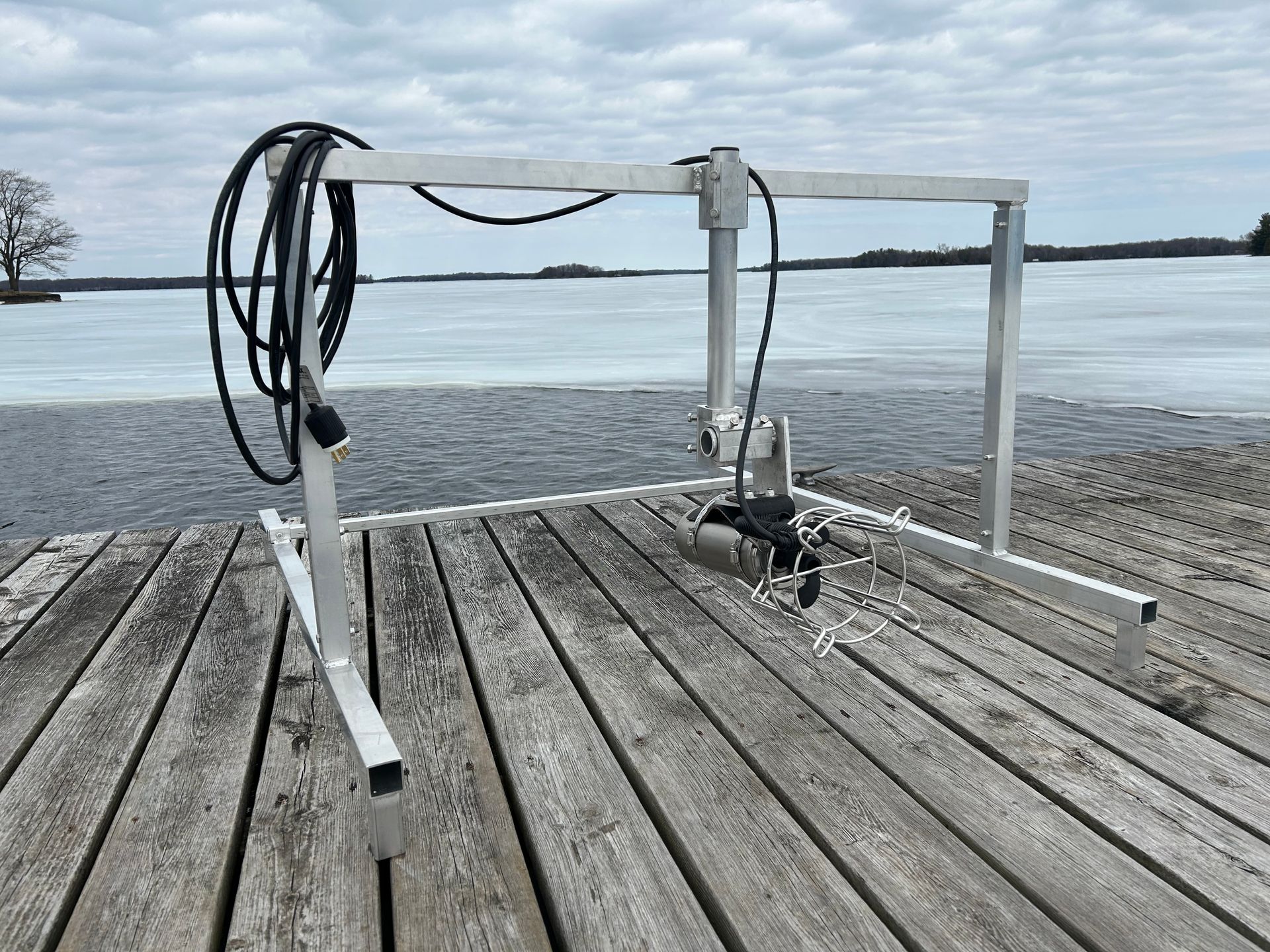
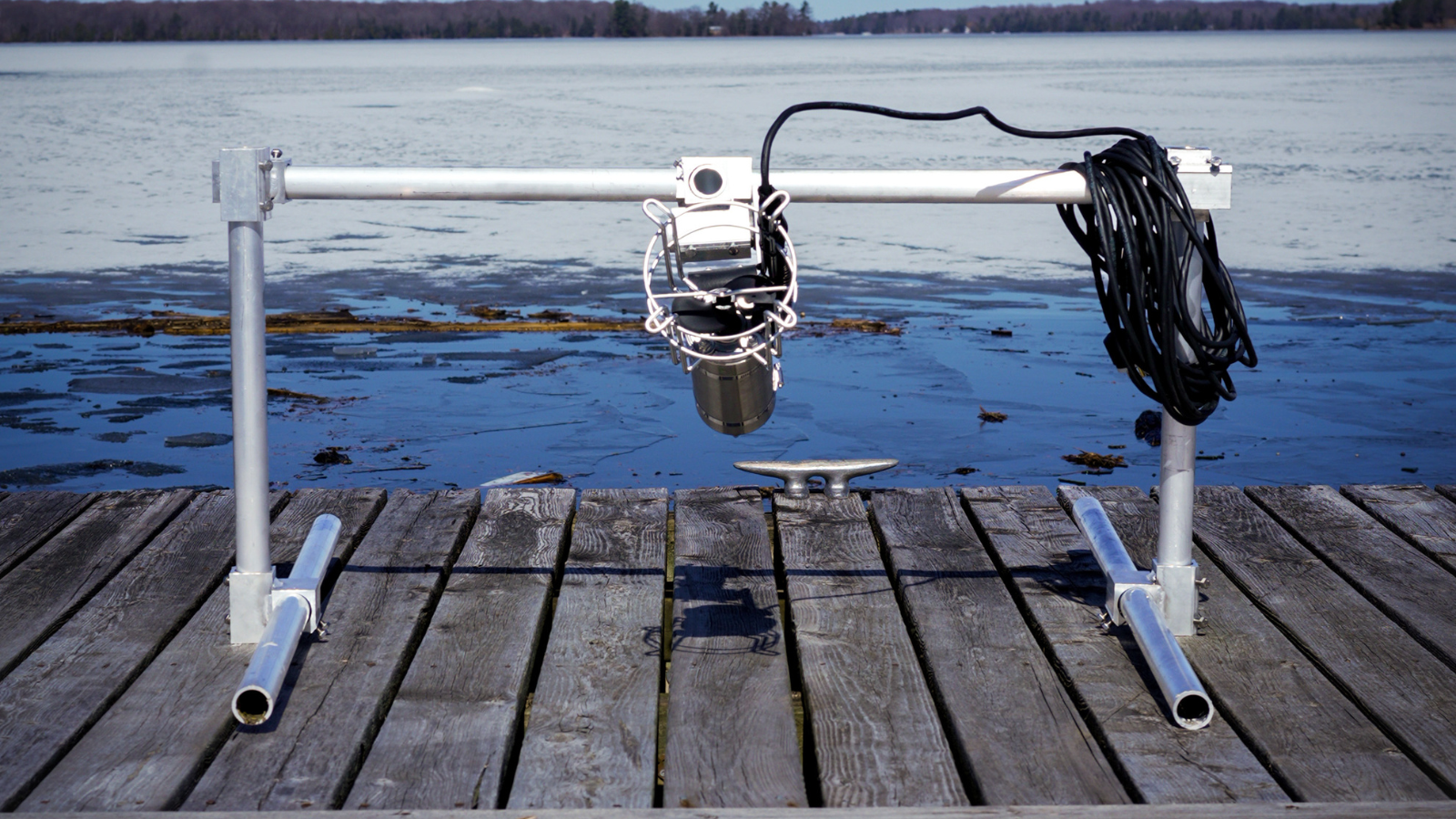
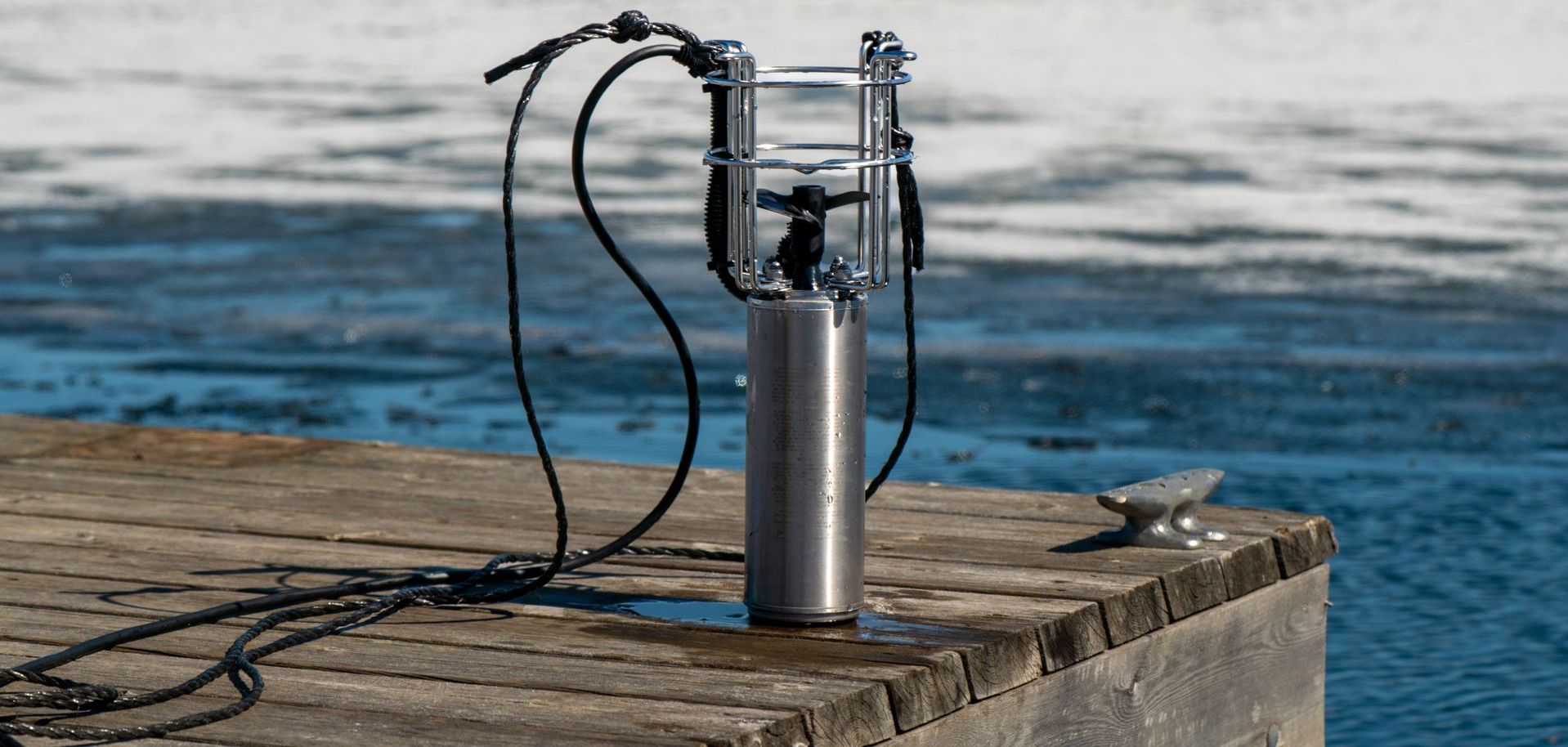
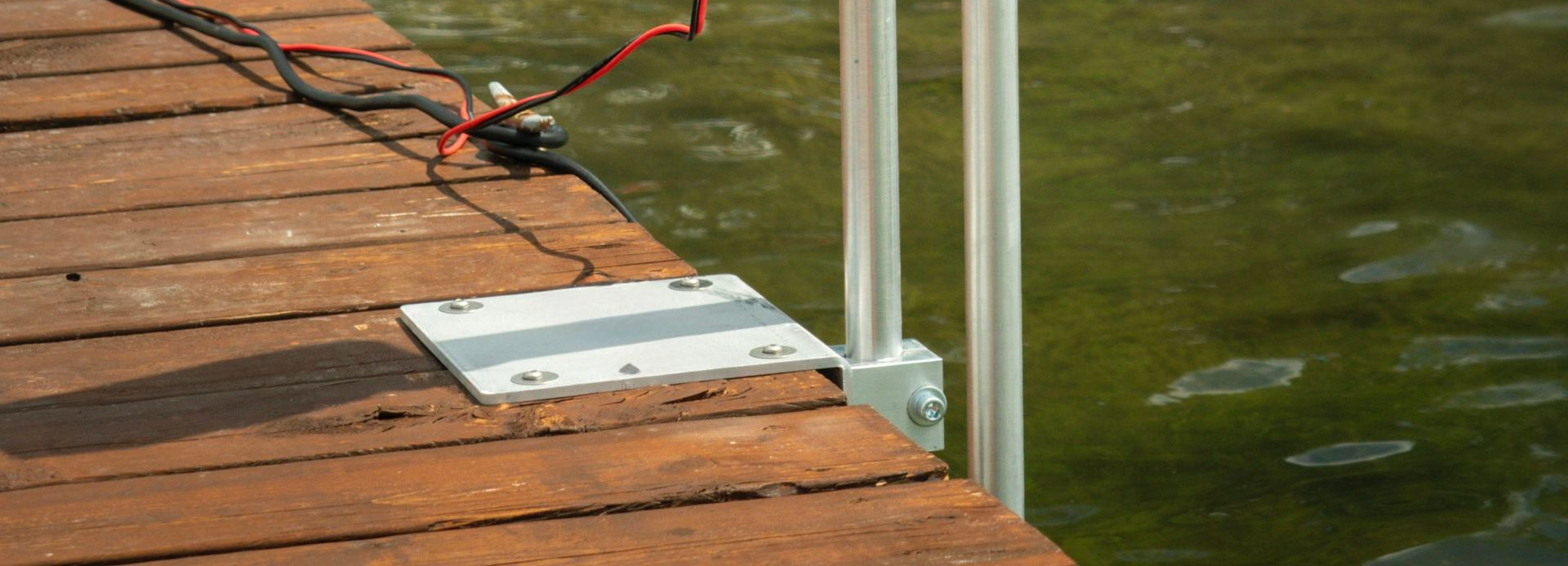
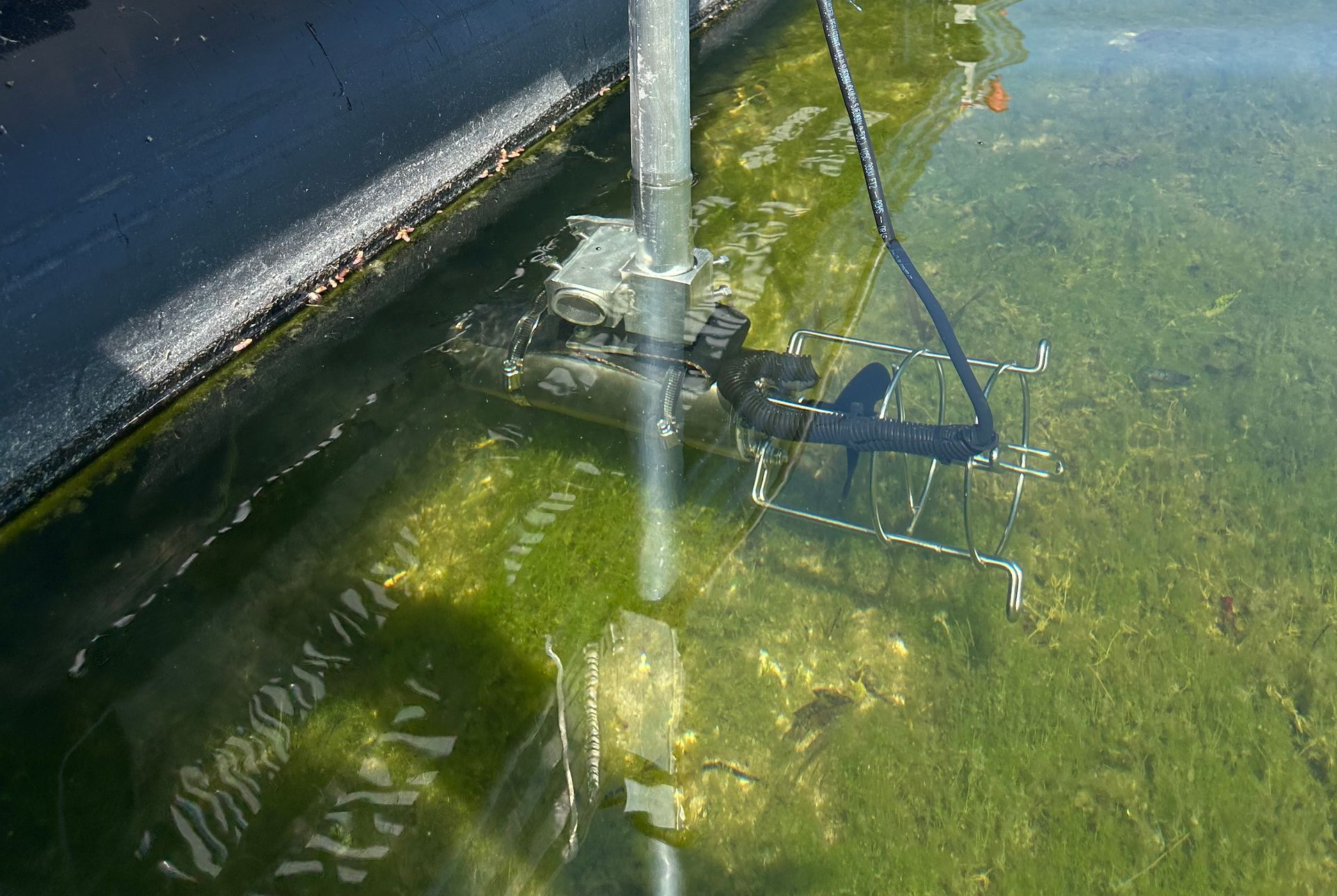
This is one reason water movement systems are commonly used in waterfront areas where conditions tend to feel stagnant or unsettled near shore.
A water circulator creates directional flow, while an oscillator changes where that movement is applied over time, allowing circulation to reach a broader section of shoreline.
How water moves through a space depends heavily on layout and positioning, particularly around docks and protected shoreline areas.
Why Conditions Can Vary Across the Same Shoreline
Even within the same property, waterfront conditions can vary significantly.
One section of shoreline may remain relatively firm, while another becomes soft or heavily disturbed. Factors like depth, exposure to wind, surrounding vegetation, and shoreline shape all influence how water behaves.
This is why movement patterns matter more than surface appearance alone.
Environmental guidance from Environment and Climate Change Canada continues to highlight how circulation, temperature, and seasonal conditions influence freshwater environments over time.
Paying Attention Before Conditions Progress Further
Most shoreline changes happen gradually.
By the time the bottom feels noticeably soft, conditions have usually been developing for some time beneath the surface.
Understanding how water behaves near docks and shoreline structures makes it easier to recognize why some areas continue to change over time while others remain more stable.
Seasonal conditions, shoreline layout, and water depth all influence how waterfront systems perform throughout the year, especially in areas where movement is limited.