
Your Fall Dock Checklist: 8 Things to Do Before Freeze-Up
The last warm weekend at the lake always goes faster than you want it to. Somewhere between the final swim and locking up the cottage, the dock gets a quick look and a promise to deal with it in spring.
The trouble is that winter does most of its damage before spring ever arrives. Ice grabs, lifts and pushes anything it freezes around, and small problems in October turn into big repairs by May. A couple of focused hours now can save you a season of headaches.
Here is the checklist we would follow at our own docks.
1. Walk the dock and look closely
Start with a slow walk from shore to the end of the dock. Look for loose or soft boards, shifted cribs, bent brackets and hardware that has worked itself loose over the summer.
Ice exaggerates every weak spot it finds. A crib that has already shifted an inch is far more likely to move again once ice locks around it. Make a short list and take a few photos so you can compare in spring.
2. Pull out everything that can come out
Ladders, removable sections, floating platforms, bumpers, chairs and water toys should all come out of the water and off the dock. Anything left behind is something the ice can grab.
If you have a floating dock or seasonal sections, follow your dock manufacturer's guidance on removal and storage.
3. Sort out the boat and the lift
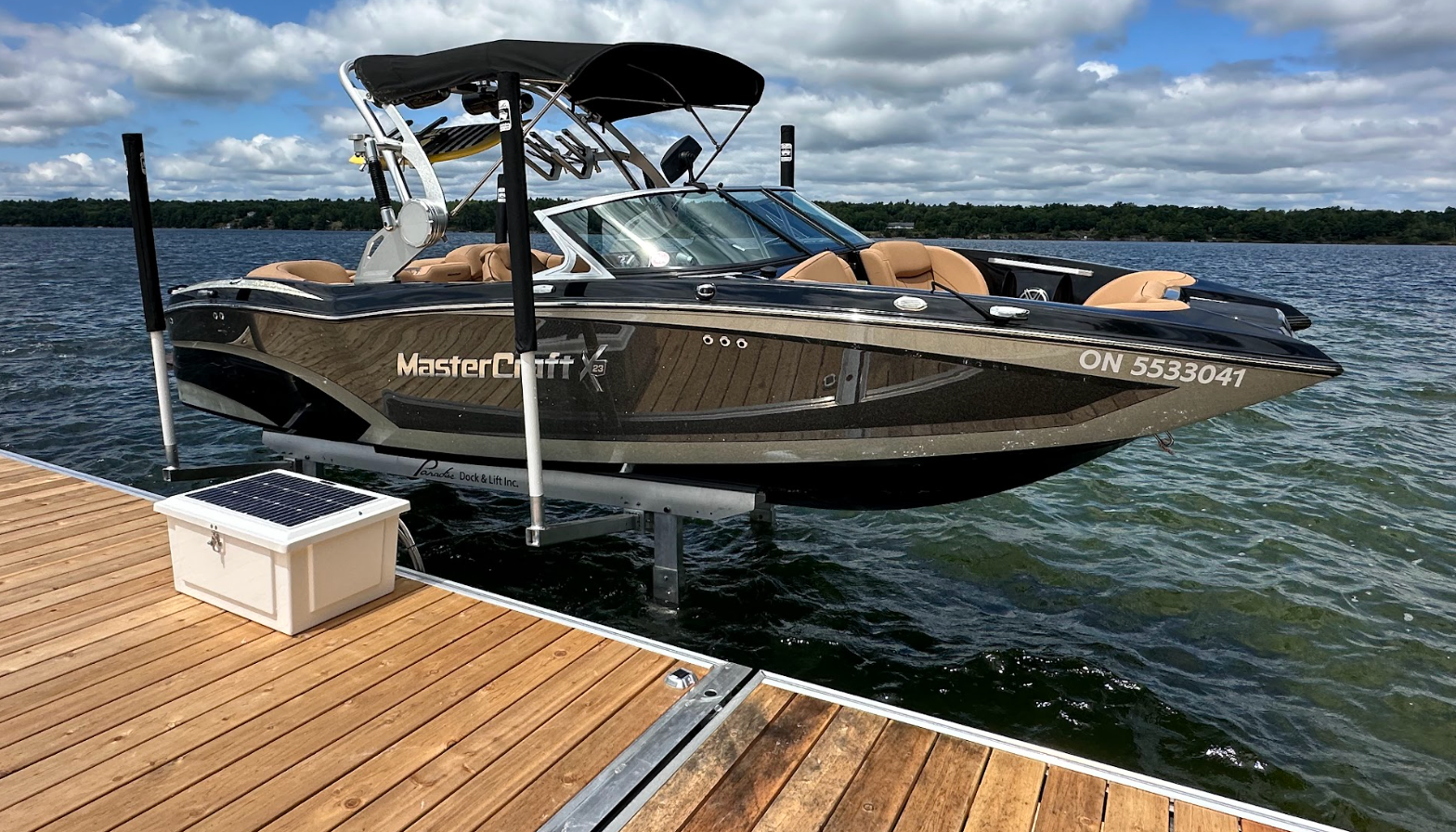
Boats should be out of the water and stored for winter. Boat lifts need their own plan, since every lift is built a little differently. Check your lift manufacturer's winter instructions first.
If your lift stays in the water, open water around its legs can help keep ice from gripping them. We cover that in detail in Can a Dock De-Icer Protect a Boat Lift Through Winter?
4. Measure the water depth now
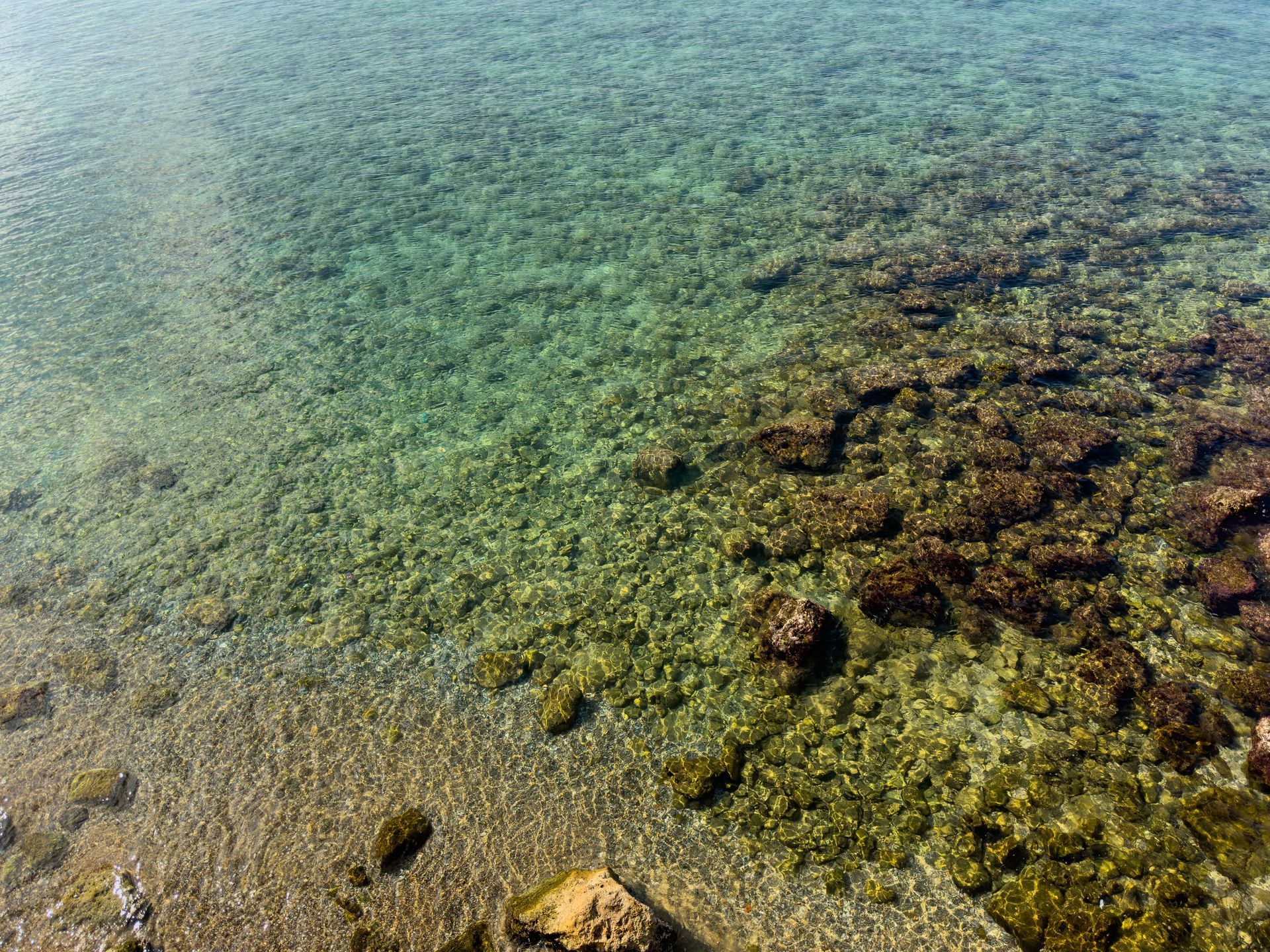
On many Canadian lakes and waterways, water levels drop through the fall. The depth you had in July may not be the depth you have at freeze-up.
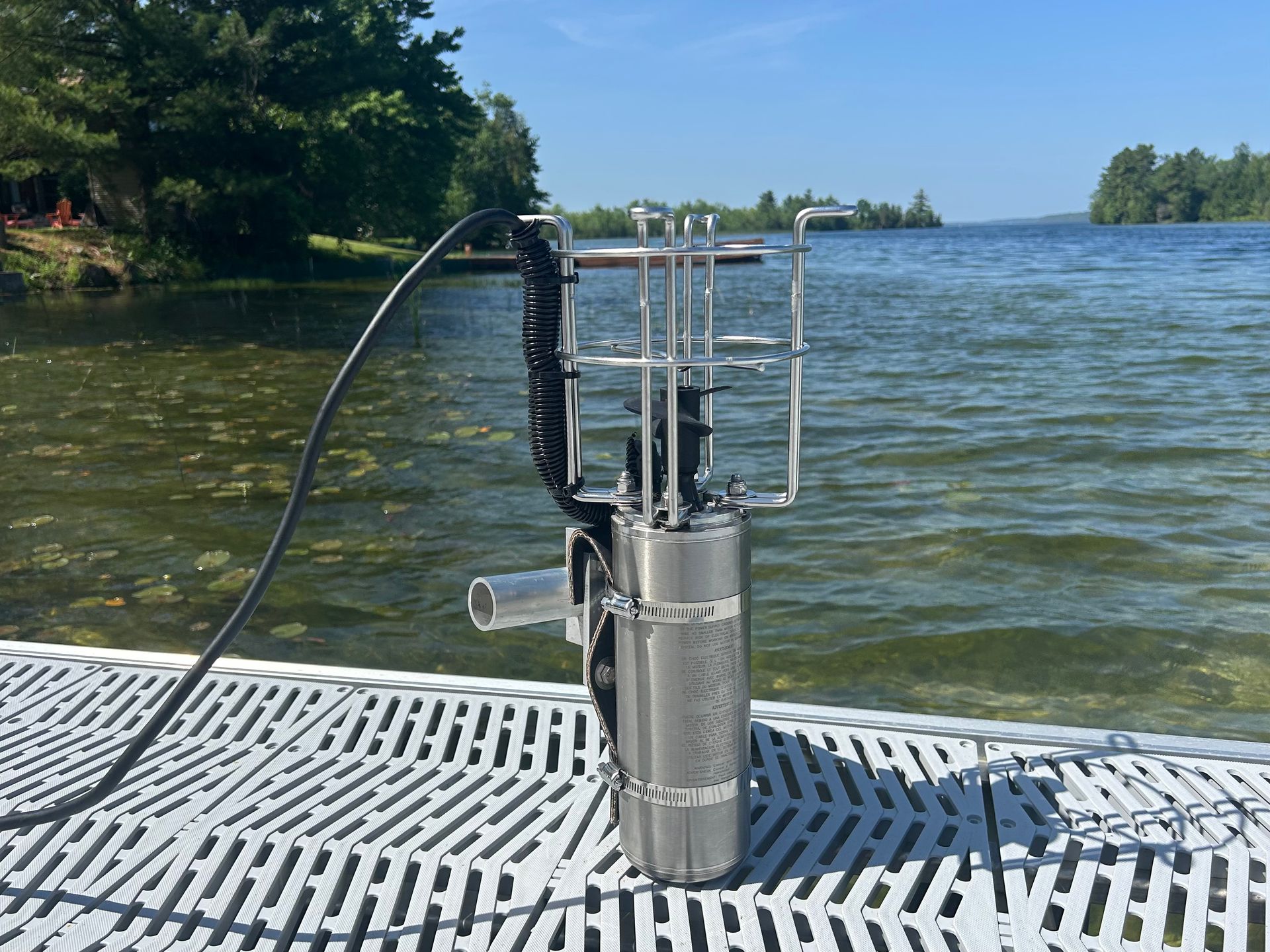
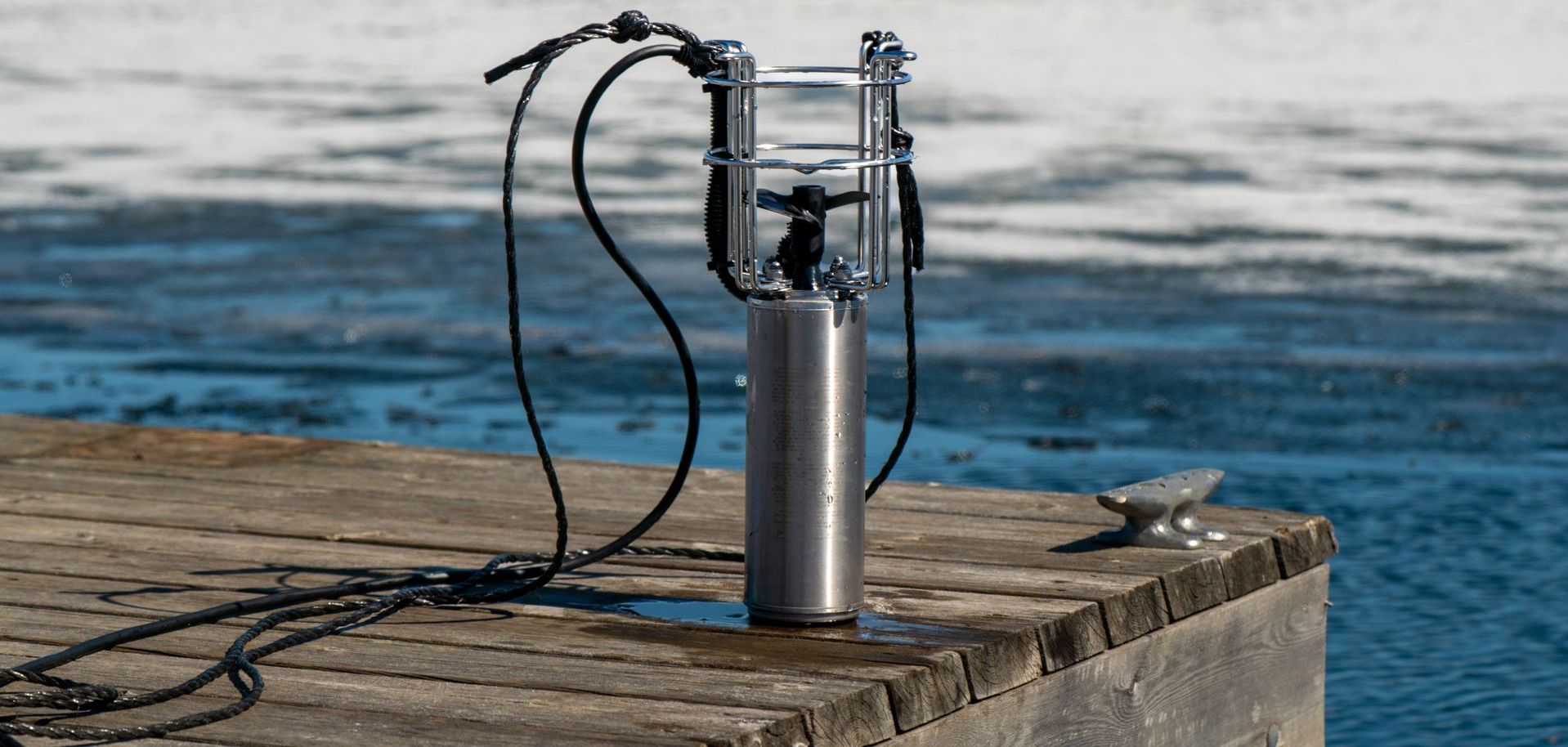
Take a few depth readings around the dock and anywhere you might place a de-icer. An Arbrux pump does its best de-icing work placed 4 to 6 feet down. If you are working with less water than that, read Do Dock De-Icers Work in Shallow Water? before you set anything up.
5. Decide: take it out or protect it in place
Some docks are designed to come out every fall. Others, like permanent crib docks, boathouses and steel-piled docks, stay put no matter what. If you are not sure which approach makes sense for your setup, we walk through the trade-offs in Should I Remove My Dock for Winter or Use a Dock De-Icer?
6. Set up your de-icer before the ice forms
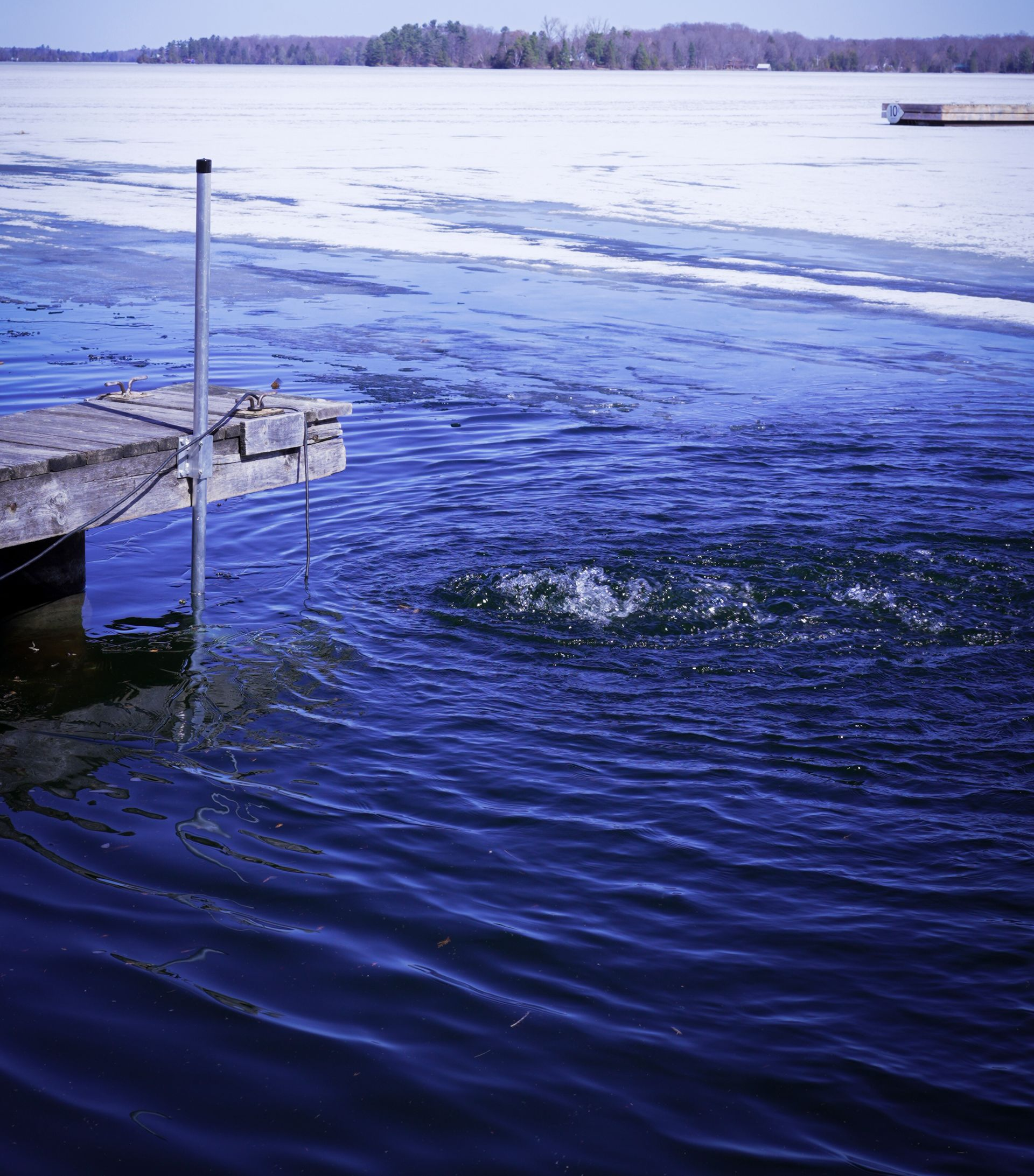
A de-icer works by bringing warmer water up from below to keep the surface open. It is much easier to keep water open than to open it back up once ice has formed, so install early.
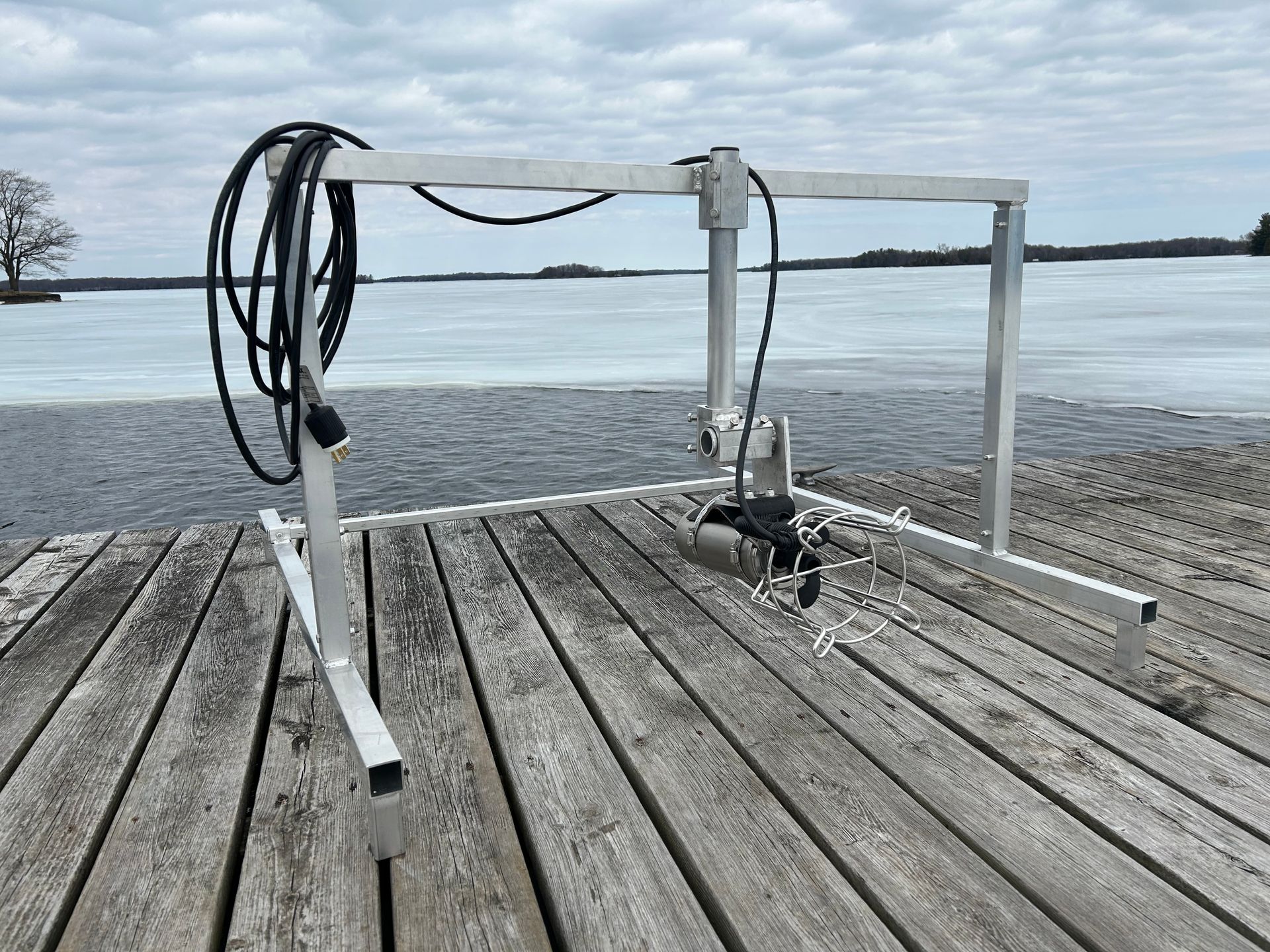
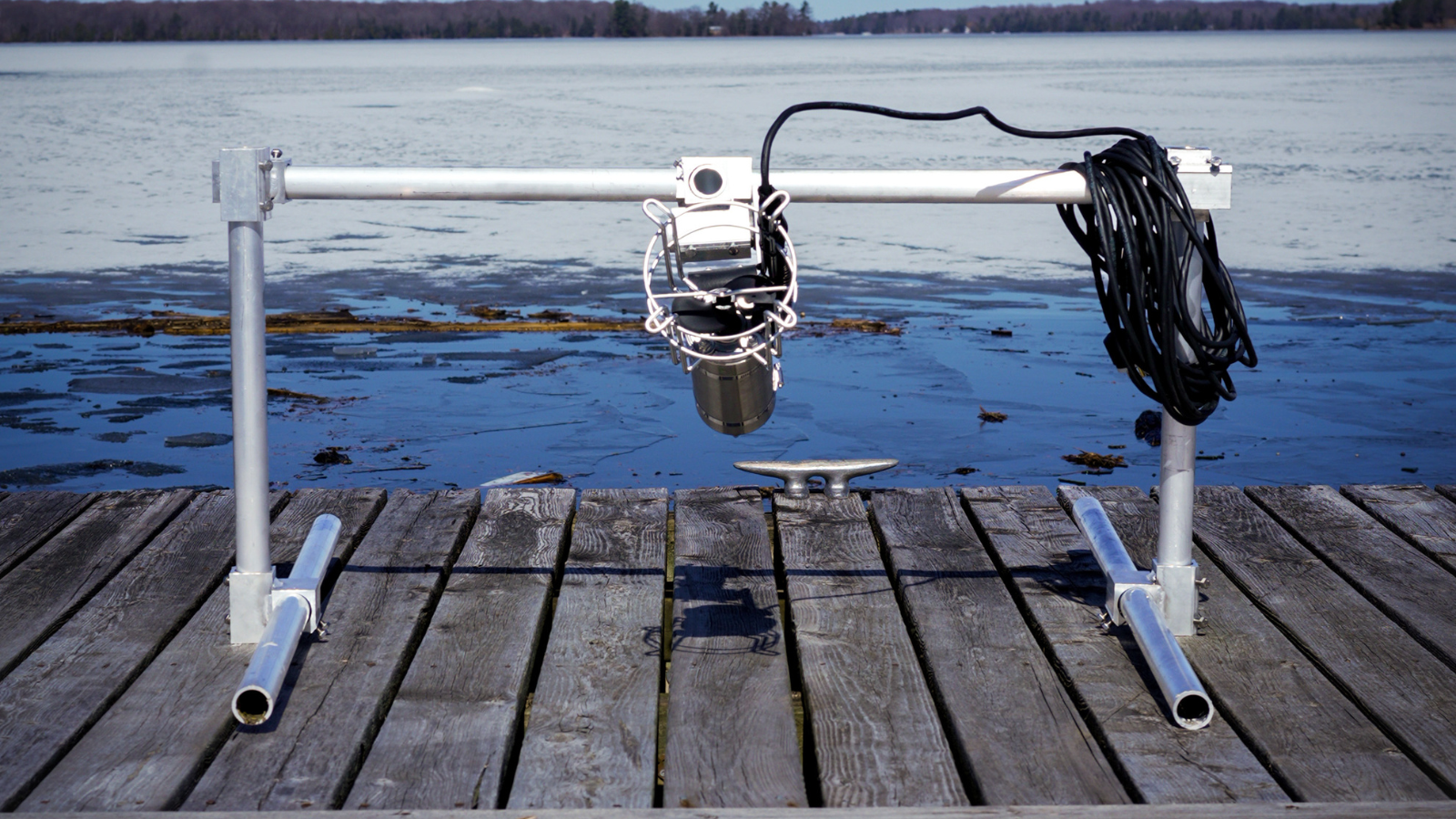
Pick your mounting option based on where the pump needs to sit. Our guide to choosing the right mount for your de-icer covers the Dock Mount, the Lake Bottom Mount and the oscillator mounts. For timing, see When Should You Turn On Your Dock De-Icer?
7. Check your power supply
Your de-icer needs a safe, reliable outdoor power source. The Arbrux pump runs at 115 volts and 10 amps, so plan for a properly rated outdoor circuit with ground fault protection.
If you are adding or upgrading an outlet near the water, have a licensed electrician do the work. Route the cable so it cannot be pinched, chewed or snagged by ice, and choose a cable length (25, 50 or 100 feet) that reaches without strain.
8. Think about safety on the ice
Open water near a dock means thin ice nearby. That matters for neighbours, ice fishers, skaters and anyone on a snowmobile.
Post clear signage on the shore and the dock, let your neighbours know a de-icer is running, and check any local rules that apply on your lake. If you are leaving the cottage empty for the winter, read our post on running a de-icer at a cottage you won't be visiting.
One last step: write it down
Before you leave, jot down what you did and where everything is stored. Add your photos from step one. Next spring, that short note will tell you exactly what changed over the winter and what needs attention first.
Get ready before the first cold snap
Arbrux de-icers are built in Canada for Canadian winters. Each one is UL and CSA certified, keeps a 40-foot diameter area open in severe cold, and comes with a 2-year warranty.
Not sure which setup fits your waterfront? Our team is happy to help you choose.