
When Should You Turn On Your Dock De-Icer?
The dock is ready for winter. The boat is out, everything has been secured, and your dock de-icer is installed.
But the lake is still open.
Do you turn the de-icer on now? Wait for the first skim of ice? Or leave it off until consistently cold weather arrives?
The right timing isn't tied to one date on the calendar. Your dock de-icer should be ready before freeze-up, but when you begin operating it should be based on the conditions at your waterfront. Falling temperatures, early shoreline ice, weather forecasts, water movement, and the structure you're protecting all matter.
Don't Wait Until Your Dock Is Frozen In
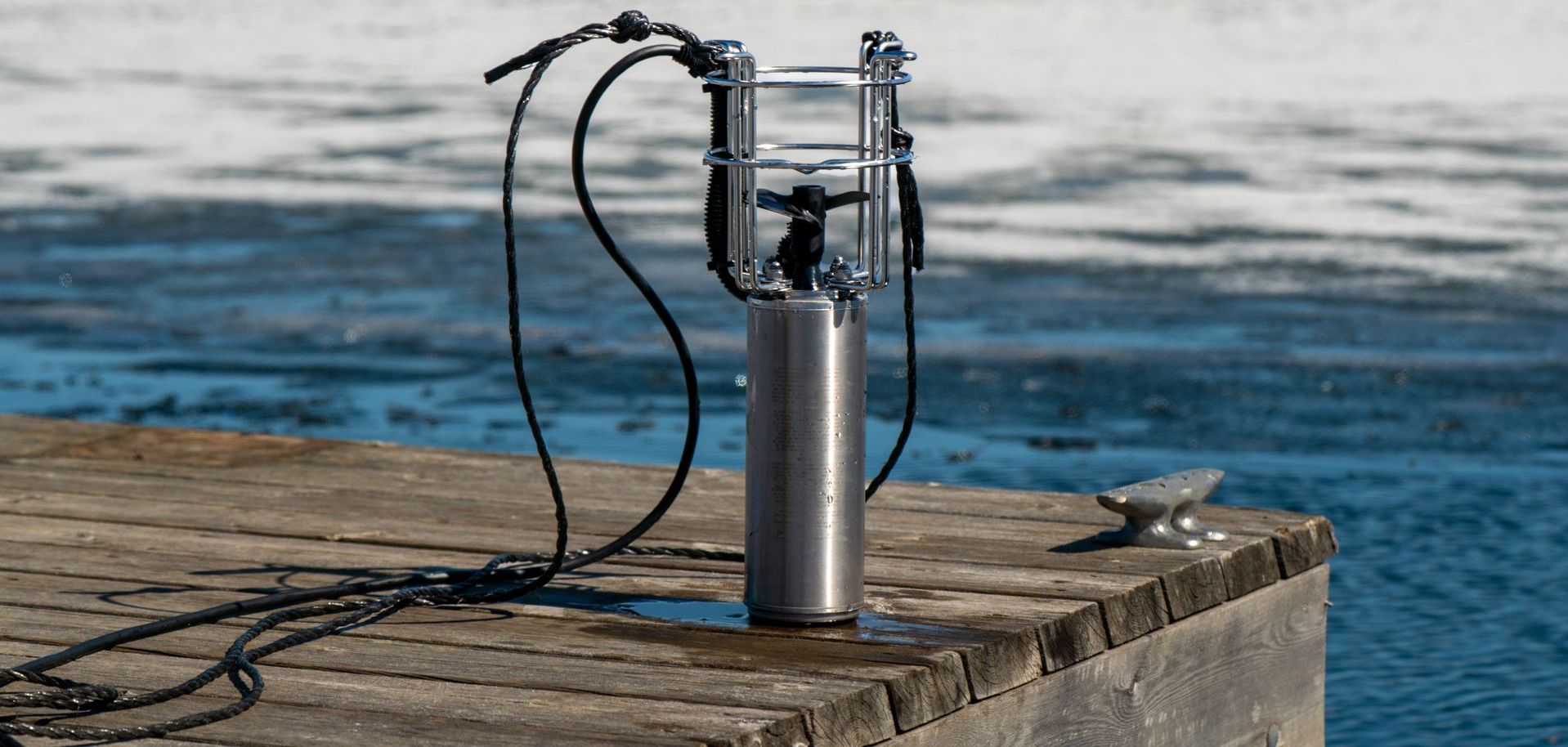
The goal of a dock de-icer is to keep water moving around the structures you want to protect.
That becomes much harder to manage if you wait until thick ice has already formed around dock legs, pilings, cribs, or a boat lift.
This is why fall preparation matters. Your system should be installed, positioned, and ready to operate before sustained freezing conditions arrive.
If you're still getting your waterfront ready for the season,
When to Install and Remove Dock Equipment for the Season explains what to watch for as temperatures begin to fall.
Watch the Weather, Not Just the Calendar
There isn't a universal date when every waterfront owner in Ontario should switch on a dock de-icer.
A cold November night doesn't necessarily mean winter has arrived for good. At the same time, waiting for the middle of December simply because that's when your lake usually freezes could leave you unprepared during an unusually early cold snap.
Pay attention to patterns such as:
- Consistently colder daytime and overnight temperatures
- Sustained freezing temperatures in the forecast
- Early ice beginning to develop along the shoreline
- Ice starting to form around docks or protected bays
- Changes in the conditions around the structure you're protecting
Lake ice can change quickly, and conditions aren't necessarily consistent across an entire body of water. The Government of Canada's information on
marine and lake ice notes that ice behaviour is complex and conditions can change rapidly.
Your Waterfront May Freeze Before Your Neighbour's
Looking across the lake isn't always enough to tell you when your own waterfront is approaching freeze-up.
Water depth, currents, wind exposure, shoreline shape, snow cover, and surrounding structures can all influence local ice conditions.
A protected bay may behave differently from an exposed shoreline. Even different sections of the same lake can freeze at different rates.
Ontario's guidance on ice fishing and ice safety similarly cautions that ice doesn't freeze at a uniform thickness and that conditions can vary across a body of water.
That variability is why your decision should be based on what's happening at your dock rather than what the lake looked like last winter.
Make Sure the De-Icer Is Positioned Before You Need It
Timing isn't only about flipping the switch.
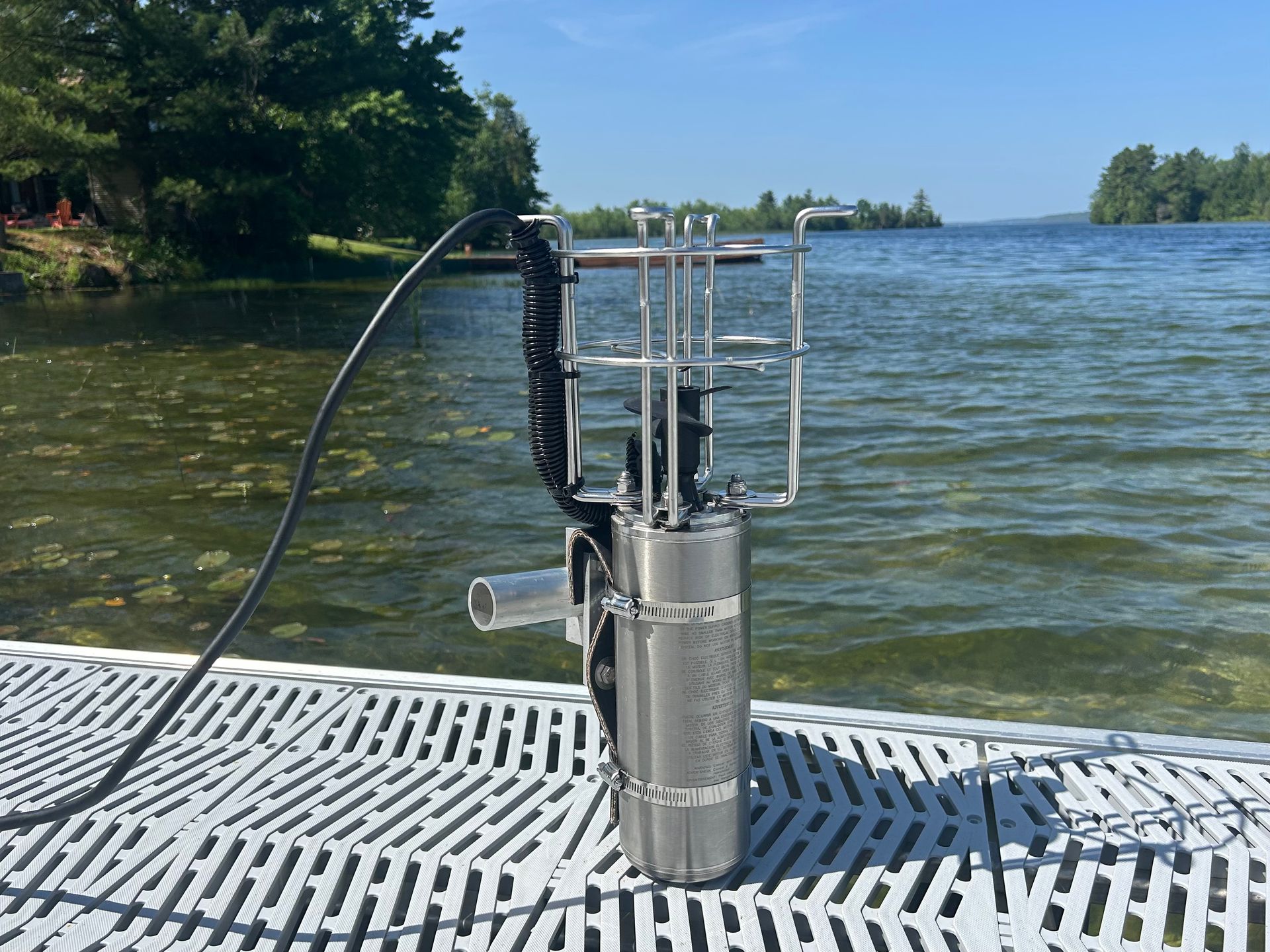
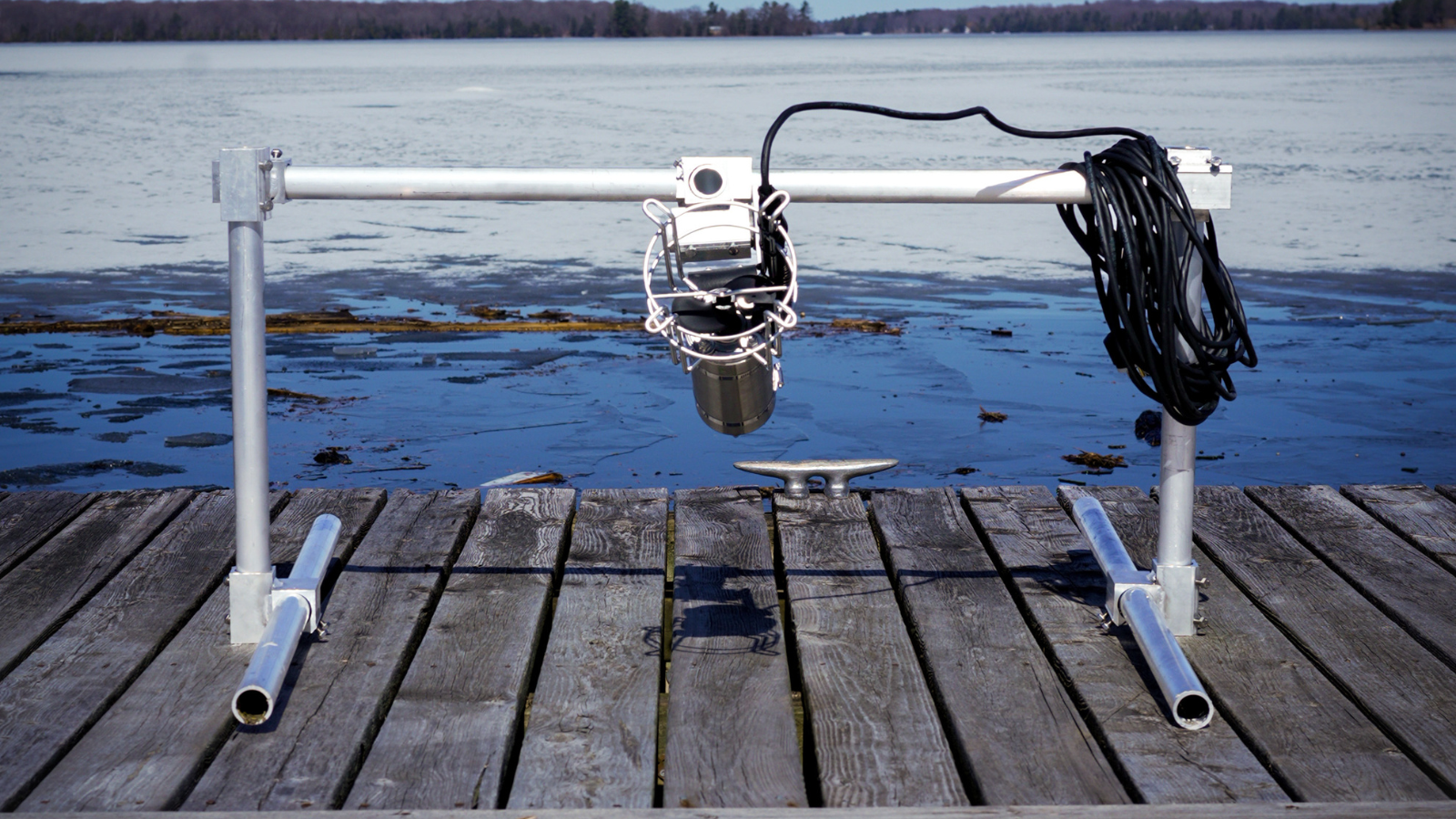
Before sustained freezing weather arrives, make sure the de-icer is positioned to move water around the parts of your waterfront that actually need protection.
A unit directed away from vulnerable dock supports isn't going to provide the same protection as one positioned with those structures in mind.
Depth and mounting angle matter too. If you're unsure about your setup,
Where to Place a Dock De-Icer for Maximum Ice Protection explains how placement influences the area your system protects.
Remember That Open Water Changes Winter Safety Around Your Dock
Once your dock de-icer is operating, the ice around your waterfront should never be assumed to be safe.
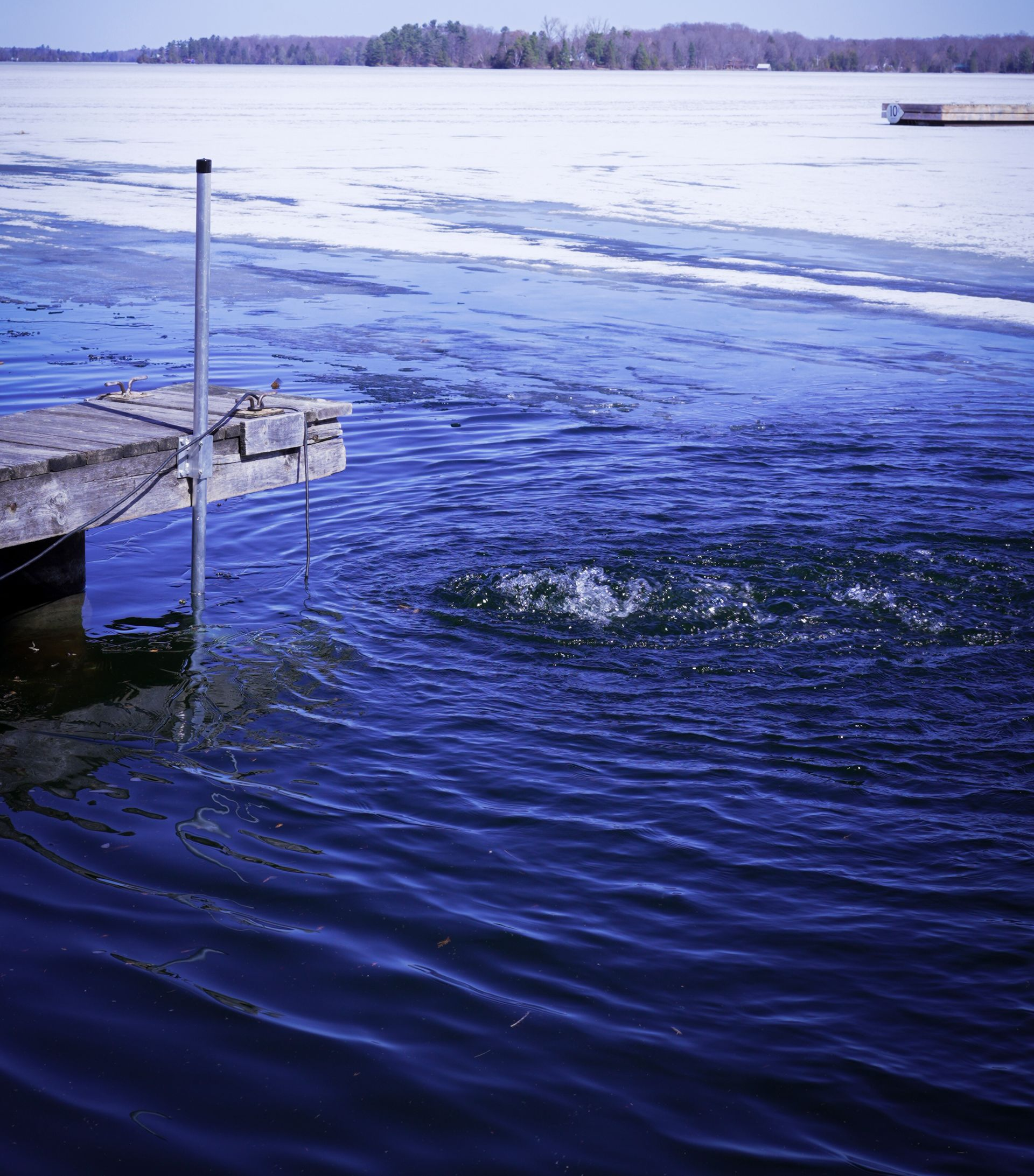
The purpose of the system is to interfere with ice formation around the area you're protecting. That means open water and thin ice can exist near the dock even when the rest of the lake appears frozen.
Health Canada notes that water currents, changing air temperatures, snow cover, rocks, and other factors can affect ice thickness. It also specifically advises staying away from pockets of open water.
Clearly marking the affected area and making sure family members, neighbours, and visitors know the de-icer is operating should be part of your winter setup.
So, When Should You Turn It On?
Think in terms of conditions, not dates.
Your dock de-icer should already be installed and ready before freeze-up. As sustained freezing temperatures arrive and ice begins forming around your shoreline, that's when you'll want to be paying particularly close attention to your system and the structures you're protecting.
The important part is not waiting until your dock is already locked into substantial ice before thinking about winter protection.
Prepare early, watch the conditions at your waterfront, and make sure your de-icer is properly positioned before winter settles in.