
How to Choose the Right Mount for Your Dock De-Icer or Circulator
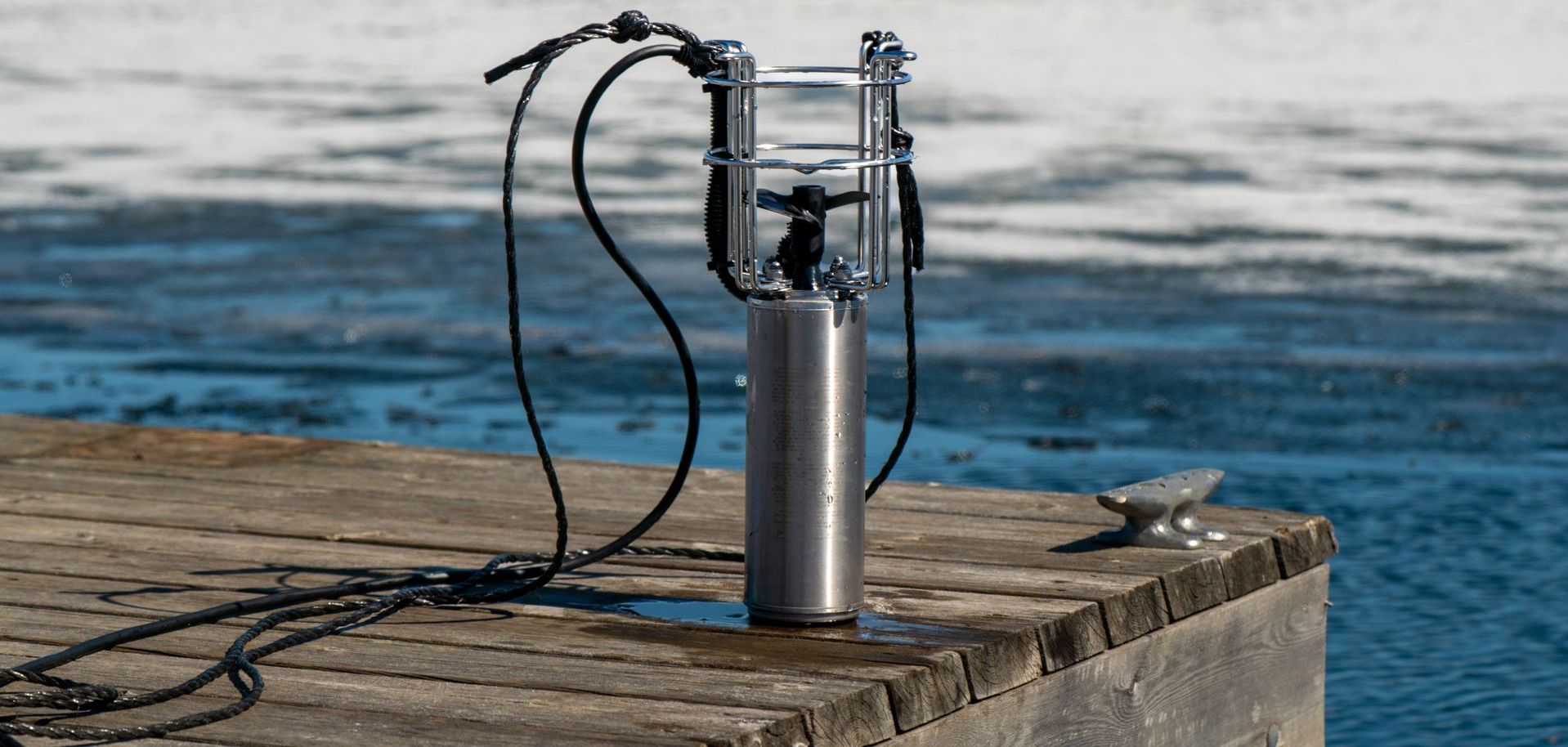
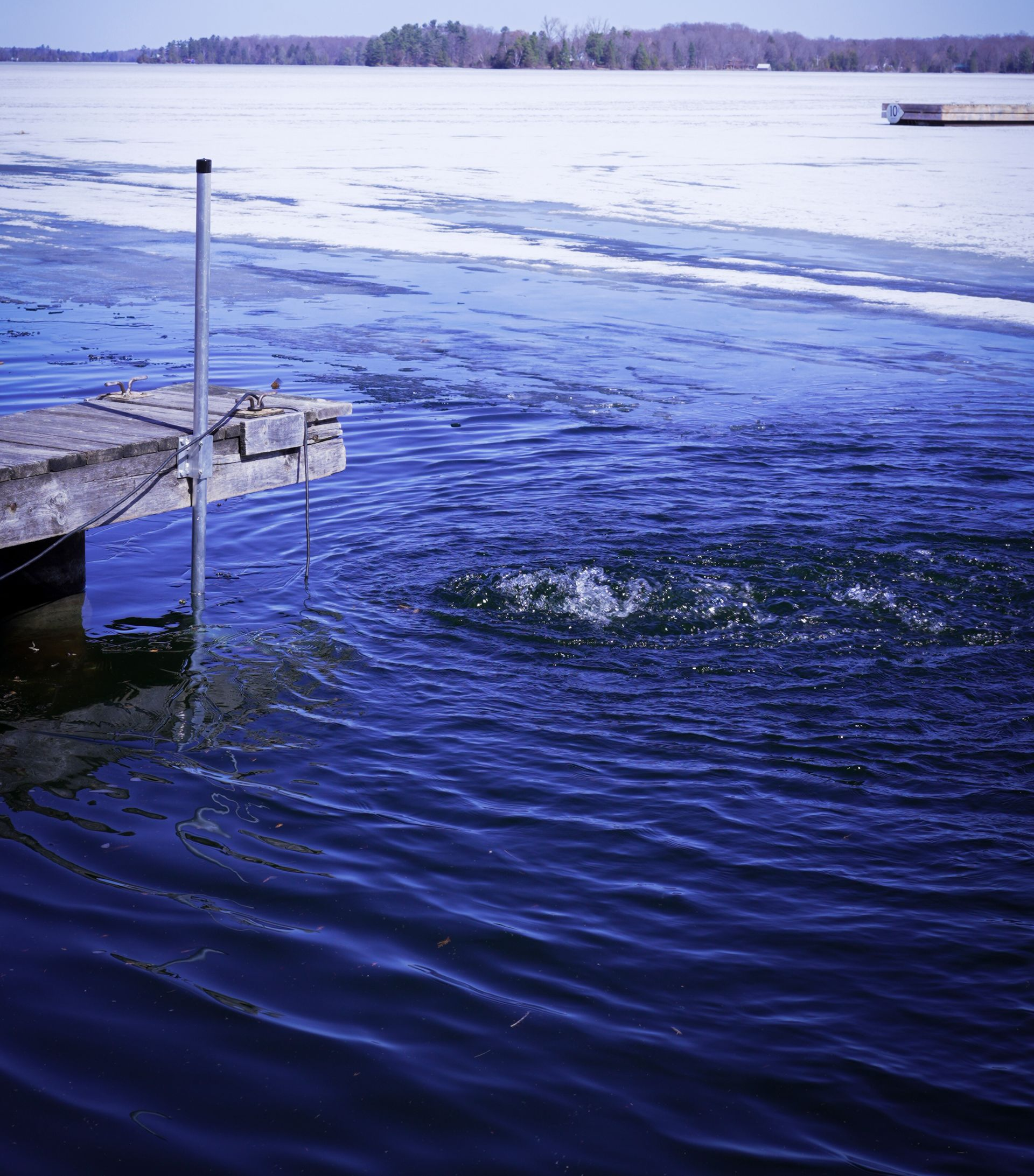
A de-icer or circulator is only as good as where it sits. Put the pump in the right spot, aimed the right way, and it can keep a 40-foot diameter area open in winter or clear a 60-foot diameter area of lake bottom in summer. Put it in the wrong spot and you lose much of that coverage.
That is why the mount matters as much as the pump. Here is how to choose the right one for your waterfront.
First, know the two kinds of mounts
Arbrux mounts fall into two groups:
- Pump mounts hold the Arbrux pump itself in the water. These are the Dock Mount and the Lake Bottom Mount.
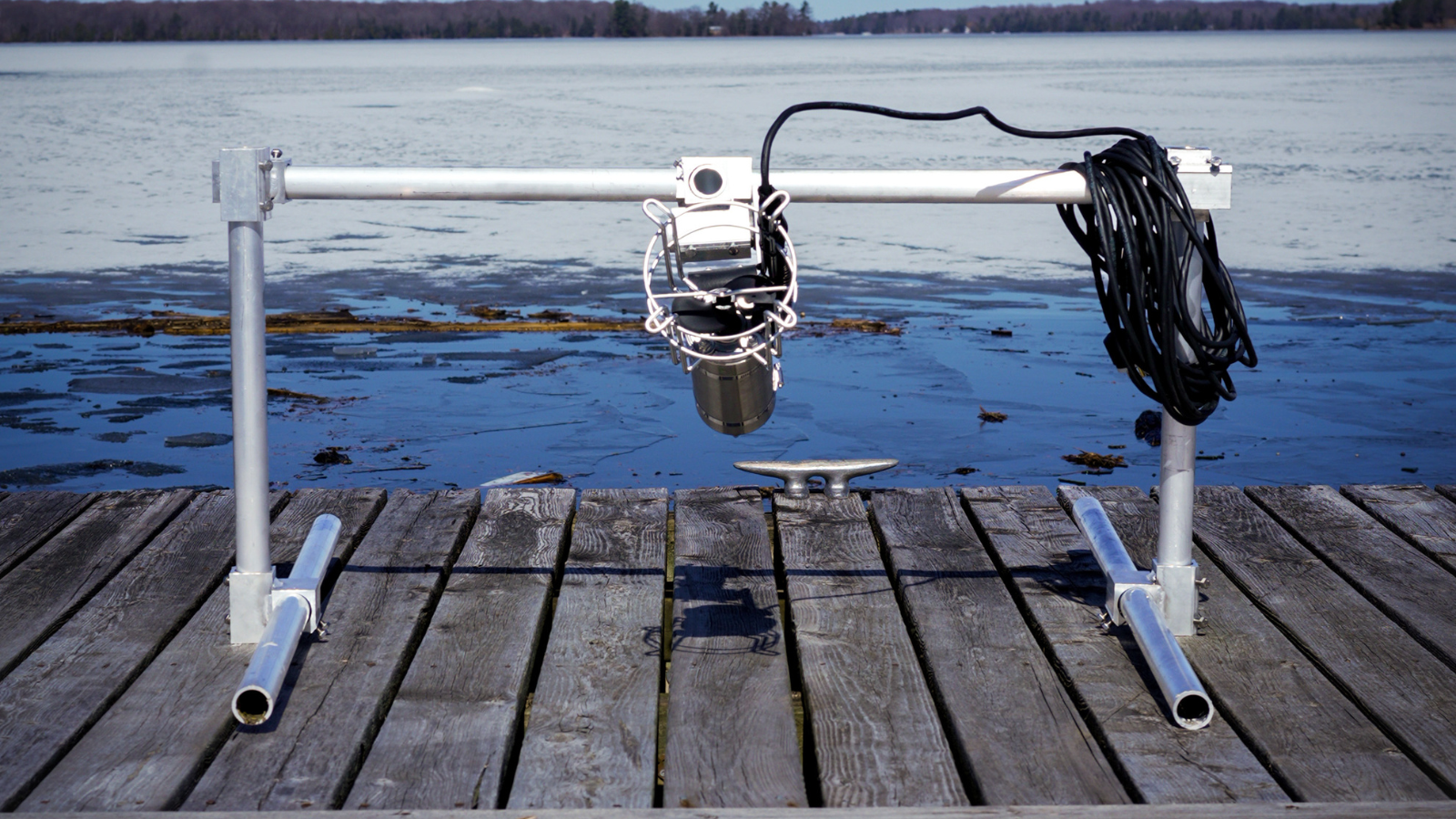
- Oscillator mounts hold the 360° Oscillator on your dock, which then rotates the pump to sweep a wider area. These are the Hitch Hinge, Dock Plate, Post and Truss mounts.
If you are setting up a de-icer for winter or a circulator for summer, start with a pump mount. If you want to add the oscillator for shoreline cleaning, you will also choose an oscillator mount.
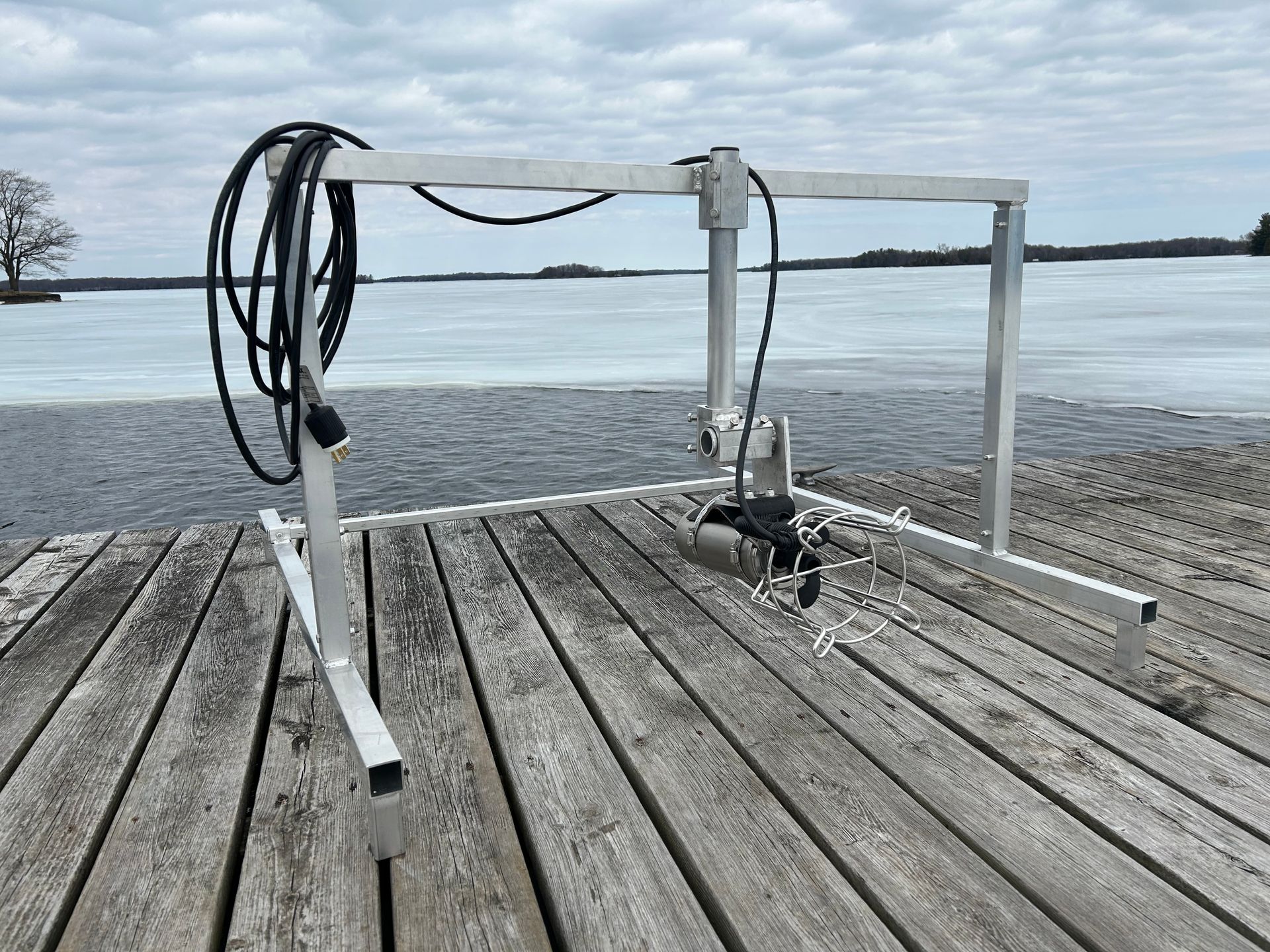
The Dock Mount: for docks, pilings and walls
The Dock Mount is the most popular choice for anyone with a fixed structure at the water's edge. It attaches to docks, pilings, retaining walls and boathouses.
What makes it work well:
- A pivot bracket lets you adjust the pump's angle and direction, so you can aim flow at cribs, lift legs or a problem weed bed.
- A pipe stopper keeps the pump from hitting the bottom.
- The lightweight aluminum frame is built for harsh waterfront conditions.
- A Dock Side Bracket comes included. It stays bolted to your dock while the mount comes out for storage, and extra brackets let you move one pump between spots.
Best for: permanent docks, crib docks, boathouses, seawalls and marinas.
The Lake Bottom Mount: no dock required
The Lake Bottom Mount is a free-standing aluminum frame that sits on the lake bottom. It is the answer when there is nothing to hang a pump from, or when the best spot is out away from your structure.
It adjusts with stainless steel bolts, rotates anywhere from horizontal to vertical, and can be moved to target different parts of your shoreline.
Best for: open shoreline, beaches, boat launches and ramps, and spots where you want to aim at a specific problem area.
Oscillator mounts: matching your dock style
If you are adding the 360° Oscillator, pick the mount that suits how your dock is built:
Dock with a side rail
Oscillator mount:
Hitch Hinge Mount
How it attaches: Bolts on for a permanent setup; the oscillator lifts off for storage
Flat wood or metal deck
Oscillator mount:
Dock Plate Mount
How it attaches: Bolts to the deck surface for a fixed, stable position
Dock with post legs
Oscillator mount:
Post Mount
How it attaches: Slides over a post and tightens with a few bolts; easy to move
Truss-style dock frame
Oscillator mount:
Truss Mount
How it attaches: Clamps onto the frame with no drilling; installs in minutes
The oscillator is sold with the pump attachment bracket and rubber isolator you need to connect an Arbrux pump.
Three questions to ask before you buy
- How deep is the water where the pump will sit? For de-icing, aim for 4 to 6 feet. Measure in the fall, since water levels often drop. Our post on shallow water covers what to do with less.
- What are you protecting or clearing? A dock, a lift, a boathouse, or a stretch of shoreline? The mount should let you aim flow right at it.
- How far is your power source? Arbrux pumps come with a 25, 50 or 100 foot cable. Choose a length that reaches without strain.
Or keep it simple with a bundle
If you would rather not piece it together, our bundles pair the pump with the right mount and mooring ropes:
- Dock Bundle: pump plus Dock Mount
- Lake Bottom Bundle: pump plus Lake Bottom Mount
- Oscillator Bundle: pump, 360° Oscillator and your choice of mount
Every Arbrux pump is made in Canada, UL and CSA certified, and backed by a 2-year warranty.
Still not sure which setup fits your waterfront? Send us a photo of your dock and our team will point you in the right direction.