
Should I Remove My Dock for Winter or Use a Dock De-Icer?
Fall at the waterfront comes with a familiar list of jobs. The boat comes out, outdoor furniture gets stored, and everything starts getting ready for the colder months ahead.
Then there's the dock.
Do you need to remove it for winter, or can you leave it in the water and protect it with a dock de-icer?
The answer depends largely on the type of dock you have, how it was designed, and the winter conditions at your waterfront. Some docks are intended to come out each fall. Others are permanent or difficult to remove, making winter protection part of owning and maintaining them.
Before deciding, it helps to understand what each option involves.
Some Docks Are Meant to Come Out
If you have a lightweight floating, rolling, or otherwise removable dock, taking it out before freeze-up may be the most practical option.
In fact, seasonal removal is a normal part of maintaining some dock systems. Manitoba Parks' Cottager's Handbook, for example, discusses raising cantilevered docks at the end of the season specifically to help prevent ice damage.
If your dock was designed to be removed relatively easily, there may be little reason to leave it exposed to an entire winter of changing ice and water conditions.
The important part is getting ahead of freeze-up. Waiting until ice begins forming around the shoreline can make removal more difficult and potentially unsafe.
Our guide to
When to Install and Remove Dock Equipment for the Season looks more closely at the conditions that can help determine when it's time to start your fall removal.
What If Your Dock Is Staying in the Water?
Not every dock can simply be pulled onto shore.
Permanent and semi-permanent docks may be supported by piles, cribs, concrete, or other structures designed to remain in place year-round. Larger dock systems can also make seasonal removal impractical.
Ontario regulations recognize several different types of waterfront structures, including docks, boat lifts, boat ports, and marine railways. The way your waterfront is constructed therefore matters when you're deciding what needs to come out and what will remain exposed through winter.
If your dock is staying in, the question changes from "Should I remove it?" to "How am I going to prepare it for winter?"
That's where a dock de-icer can become part of the plan.
What Does a Dock De-Icer Do?
A dock de-icer doesn't heat the water or make the effects of winter disappear.
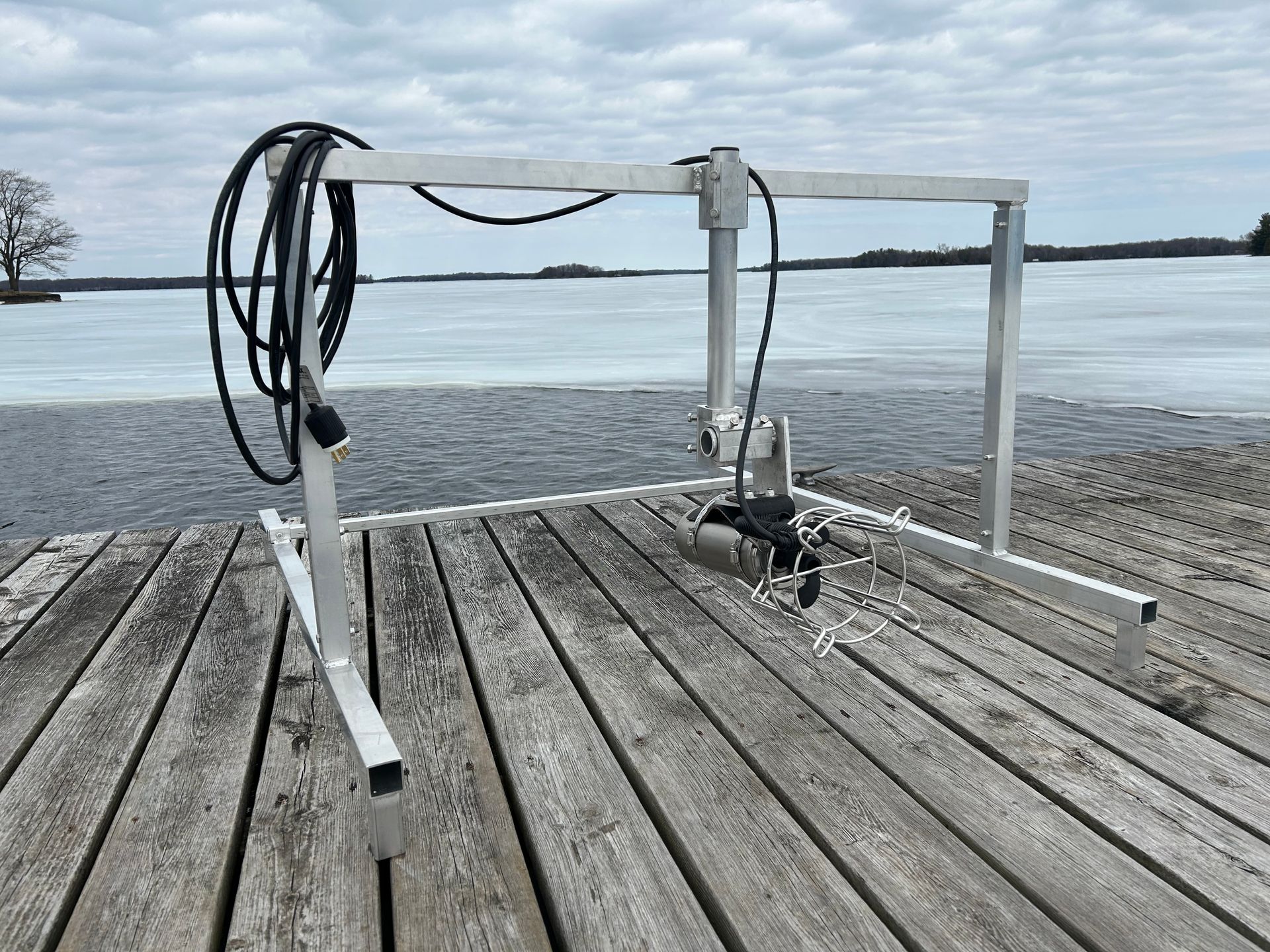
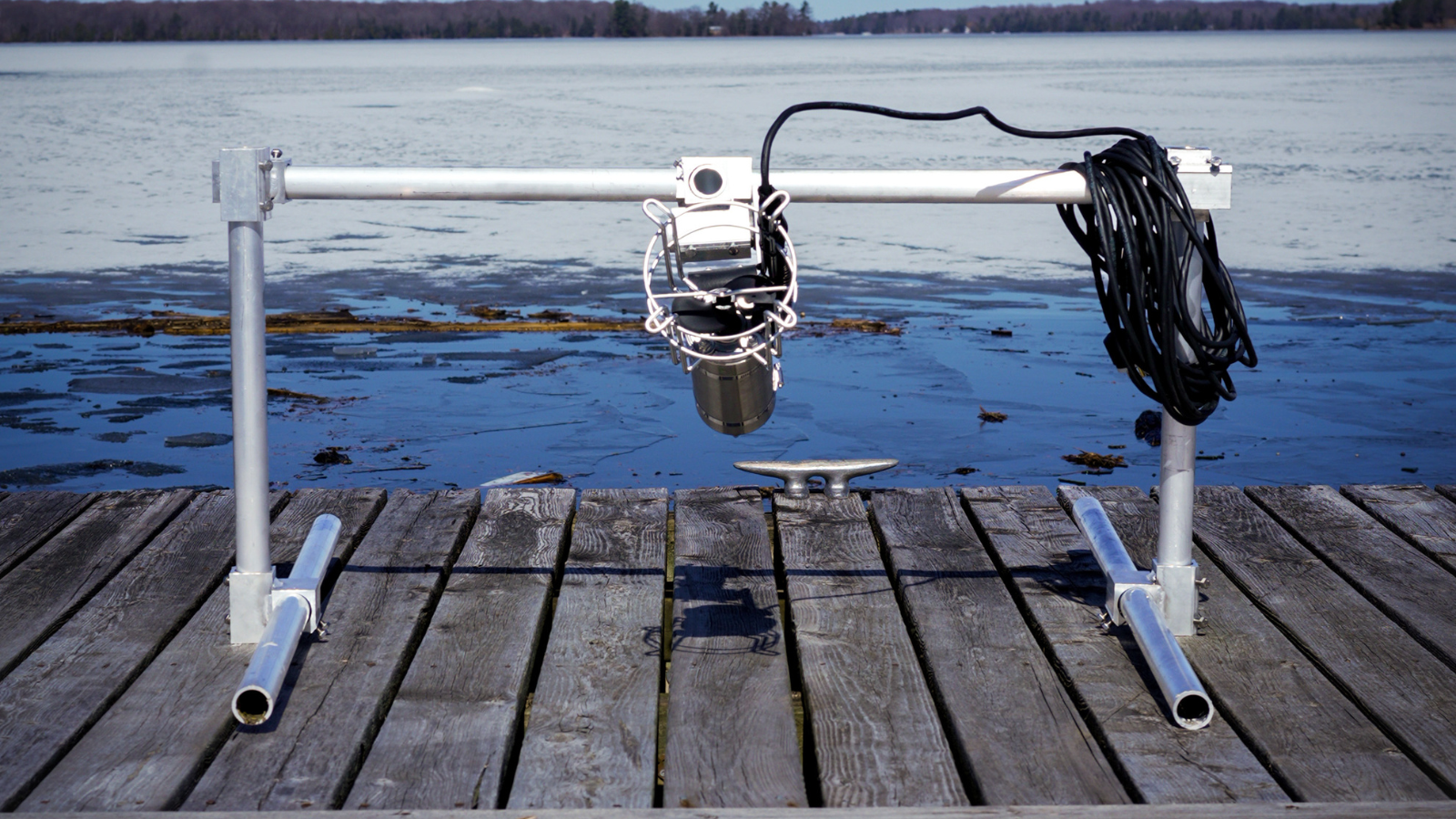
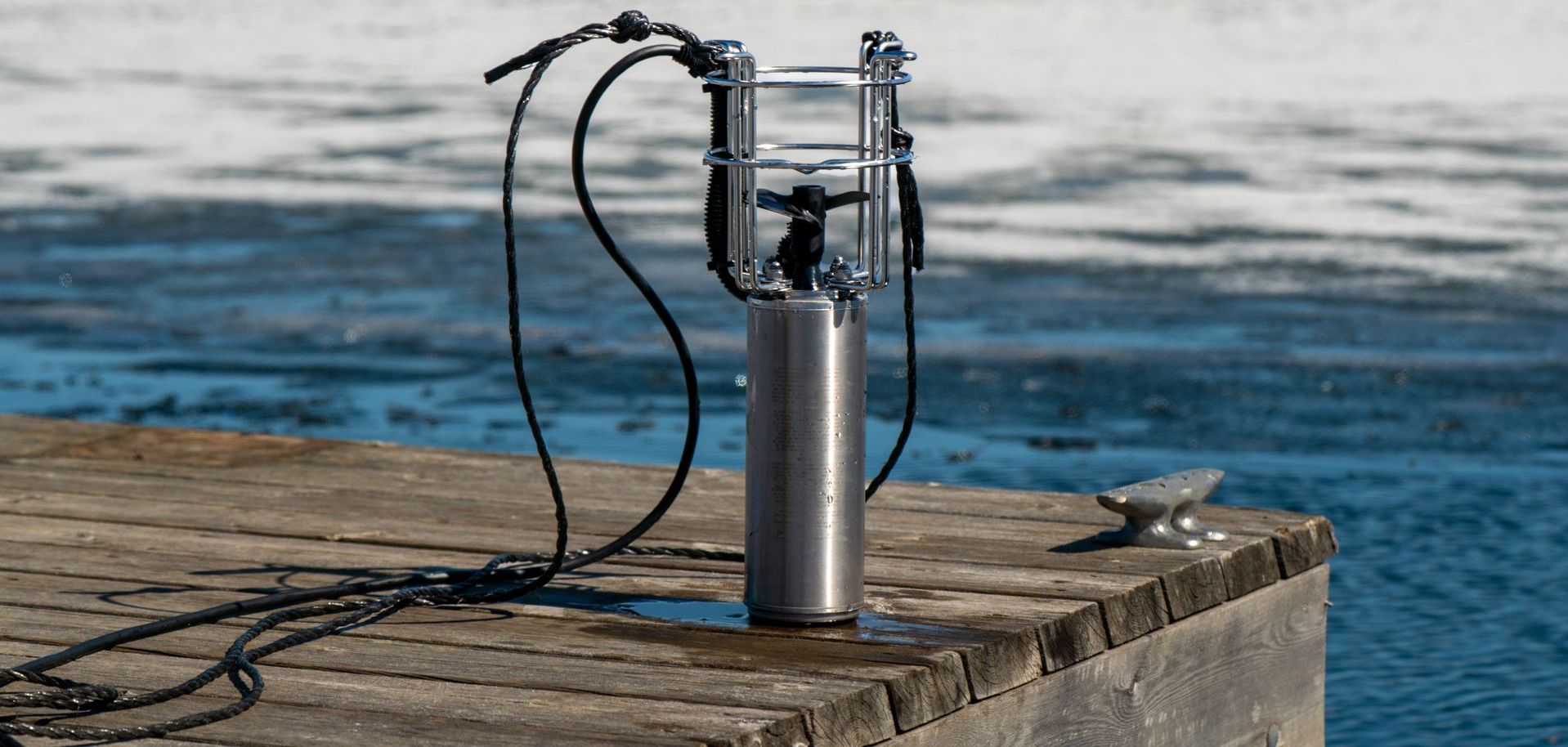
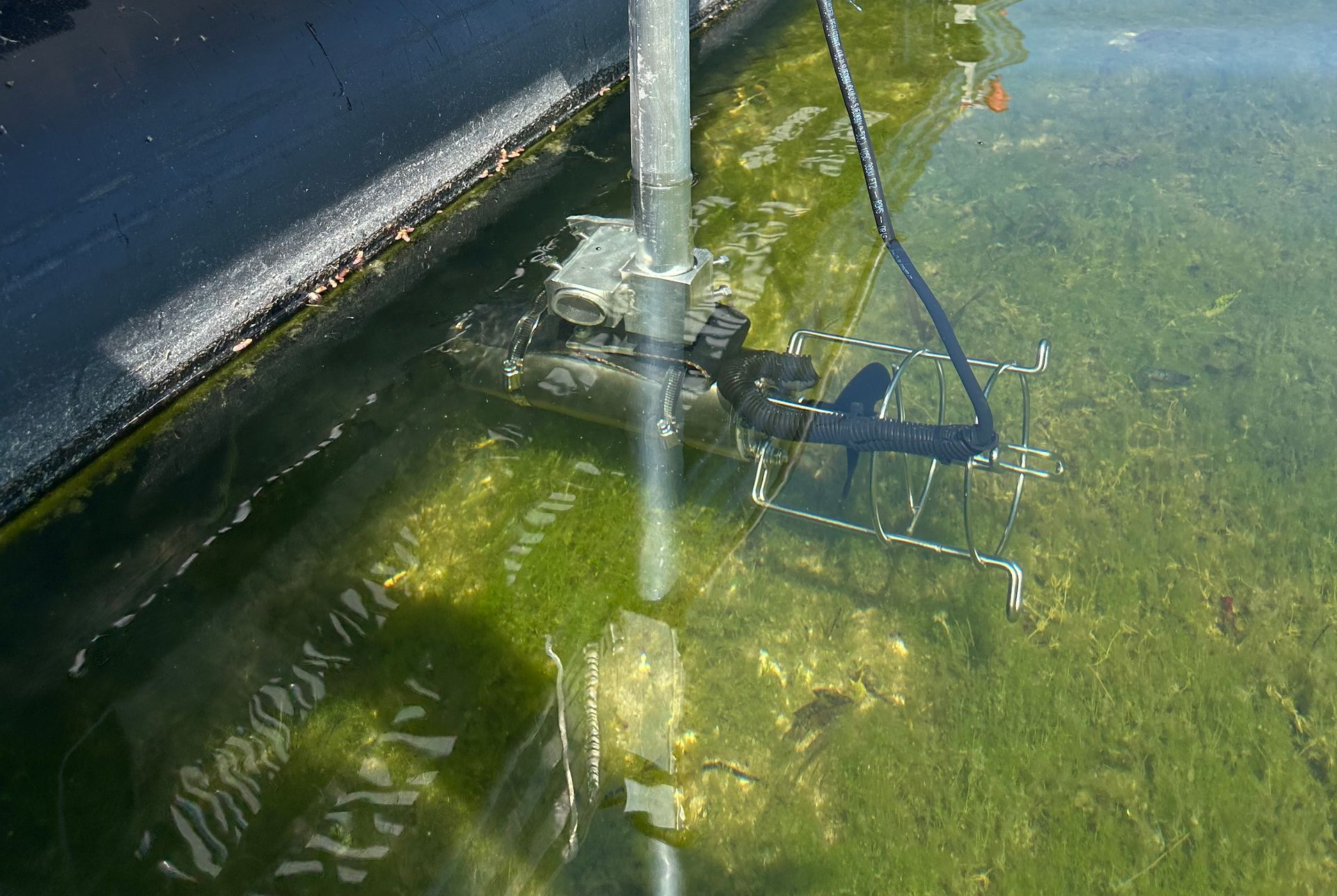
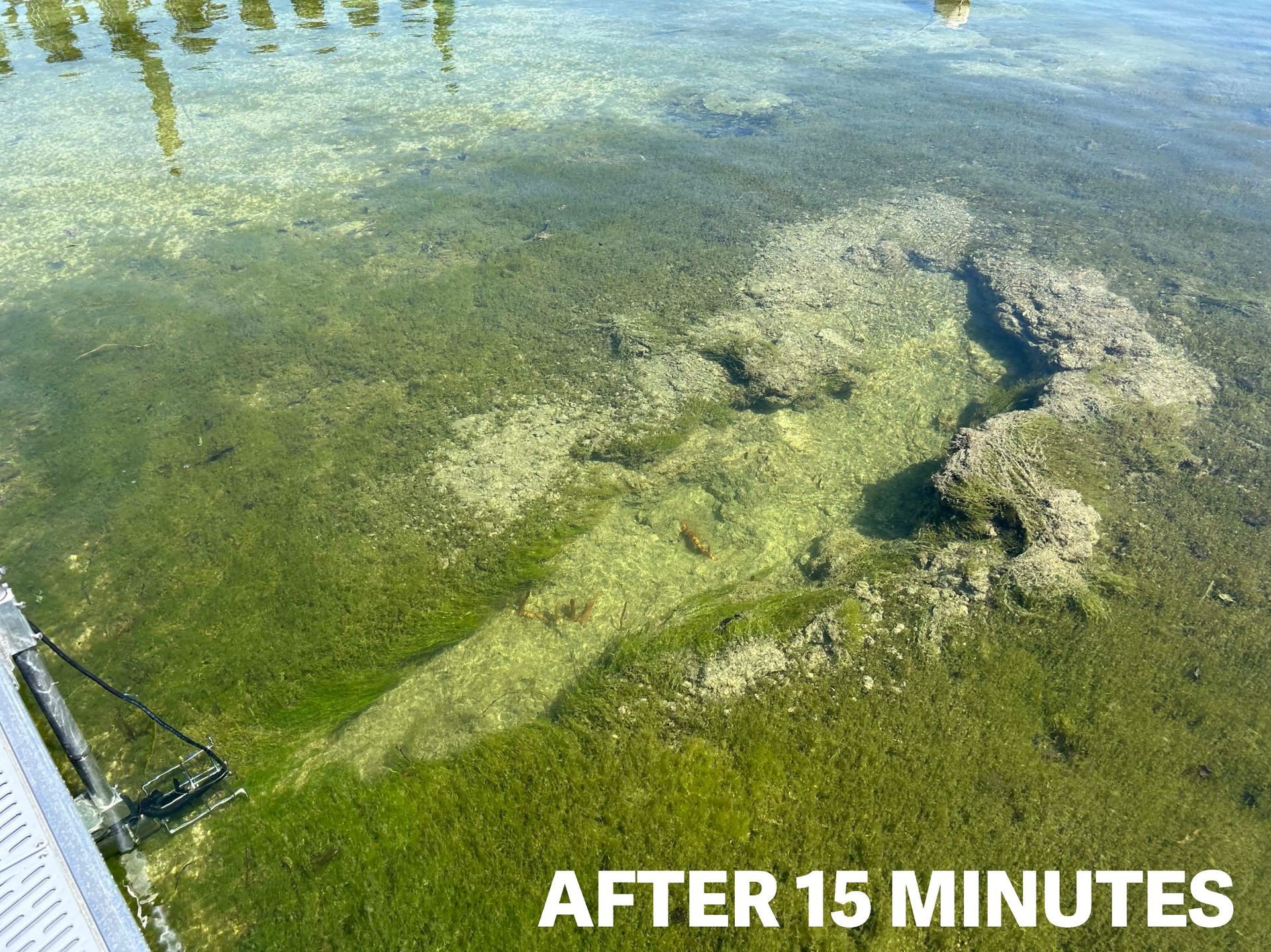
Instead, it keeps water moving around the structures you're trying to protect. By circulating warmer water from below toward the surface, a de-icer can help maintain an area of open water and reduce ice formation around docks, pilings, boat lifts, and other structures left in place.
This matters because ice can exert significant forces against structures in the water. Research from the National Research Council of Canada has examined the ice forces acting on piled and other structures in cold regions, demonstrating why ice loads are an important consideration for structures that remain exposed through winter.
For waterfront owners, the takeaway is much simpler: if a structure is staying in the water, you need to consider what happens around it once the lake freezes.
Removing a Dock and Using a De-Icer Aren't Really Competing Options
It's easy to think of this as a choice between two winter strategies, but your dock design may already make much of the decision for you.
A removable dock: If the system was designed to come out each year and removal is manageable, seasonal storage may be the logical choice.
A permanent or semi-permanent dock: If the dock is designed to remain in place, winter preparation may include a de-icer to help manage ice formation around vulnerable areas.
You may also have a combination of permanent and removable equipment. The dock could stay while a portable boat lift comes out, for example.
That's why it's worth looking at your entire waterfront setup instead of making the decision based on the dock alone.
Consider More Than the Dock
Walk around your waterfront before closing up for the season and look at everything that will still be in or near the water after you've left.
That might include dock pilings, a boat lift, cribbing, stairs, ladders, or sections connecting your dock to shore.
Anything removable can be evaluated separately from the permanent structure.
Our How to Prepare Your Dock and Boat Lift for Winter guide includes a full fall inspection checklist and covers what should be removed, secured, or inspected before winter.
This is also a good time to look for loose hardware, damaged boards, leaning supports, or signs of previous ice movement. Winter protection works best when you're starting with a dock that's already in good condition.
If You're Using a De-Icer, Plan Before Freeze-Up
A dock de-icer shouldn't be an afterthought once the dock is already surrounded by established ice.
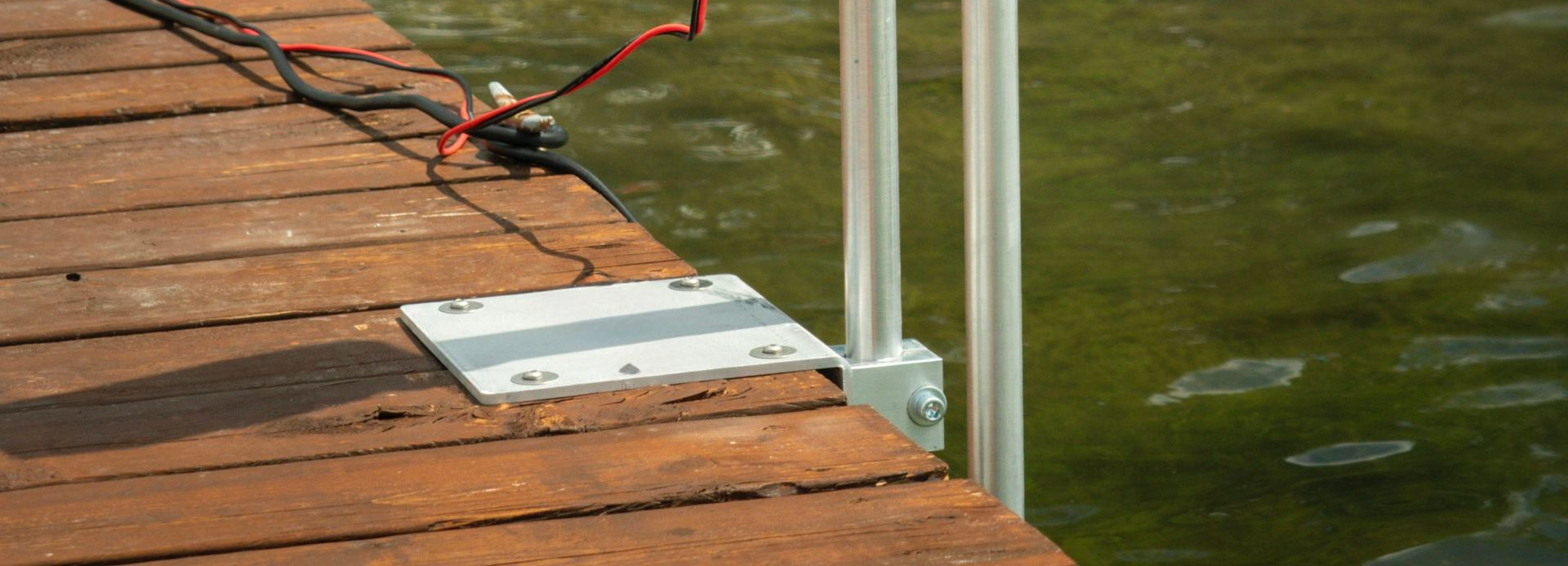
Planning in the fall gives you time to determine where the de-icer should be positioned, which structures need protection, how much area you're trying to cover, and whether one unit is appropriate for your setup.
Placement is especially important because creating the largest possible area of open water isn't necessarily the goal. The objective is to direct water movement where it's needed around the structures you're protecting.
Where to Place a Dock De-Icer for Maximum Ice Protection covers the factors to consider when choosing that location.
Planning now also means you're not trying to install or adjust equipment once temperatures have dropped and ice has begun forming.
So, Should You Remove Your Dock or Use a De-Icer?
Start with the dock itself.
If it's a seasonal system designed to be removed, taking it out before freeze-up may be the simplest way to avoid leaving it exposed to winter ice.
If it's permanent, semi-permanent, or impractical to remove, leaving it in may be exactly what the system was designed for. In that case, your fall preparation should focus on protecting the structures that will remain in the water, and a properly positioned dock de-icer may be part of that plan.
There's no reason to force every waterfront into the same winter routine.
Know what your dock was designed to do, decide what will stay in the water, and make that decision early enough to have everything ready before freeze-up arrives.