
How Much Does a Dock De-Icer Cost to Run All Winter?
You've decided a dock de-icer could be the right investment for your waterfront.
You've compared models, looked at sizing, and started thinking about installation.
Then one last question comes to mind:
"What is this actually going to cost me to run all winter?"
It's a fair question, and one that doesn't have a one-size-fits-all answer.
The operating cost of a dock de-icer depends on several factors, including the size of the unit, how long it's running, your local electricity rates, and the winter conditions at your waterfront. Understanding those variables will give you a much better estimate than relying on a single dollar figure.
It Starts with Choosing the Right Unit
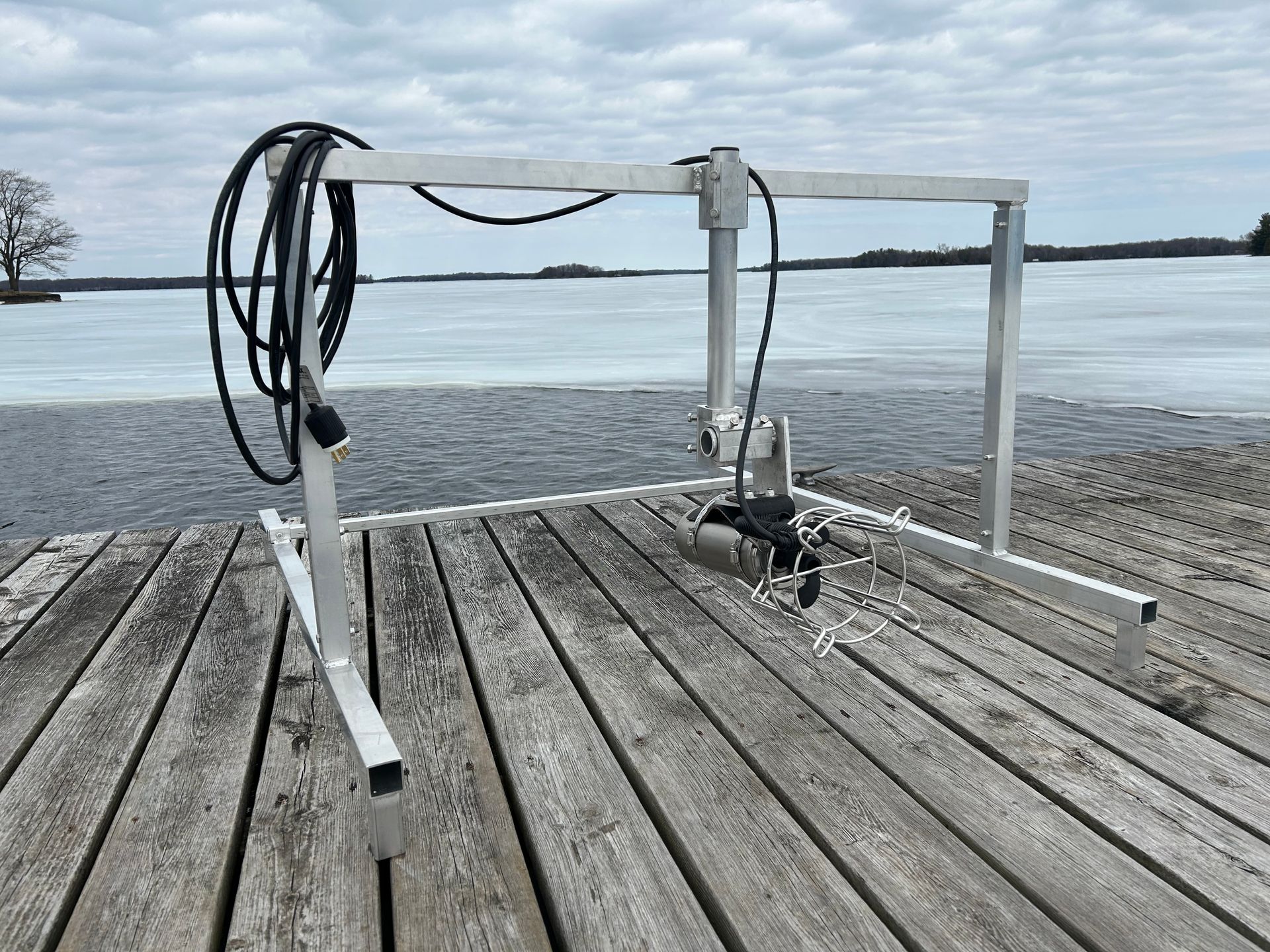
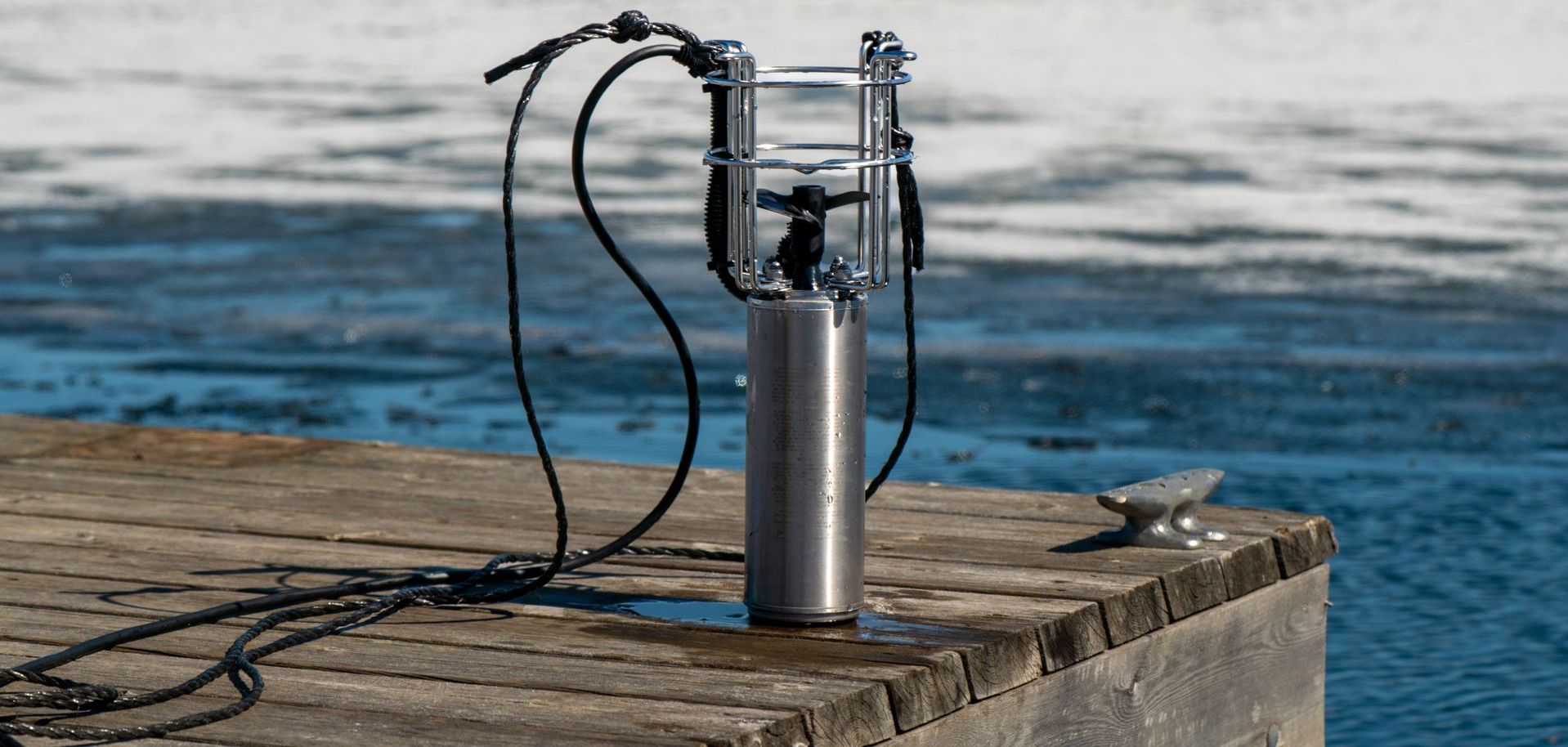
One of the biggest factors affecting operating cost is the size of the dock de-icer itself.
Larger units generally use more electricity than smaller ones, but that doesn't automatically make them more expensive in the long run.
Installing a unit that's properly matched to your waterfront is often more efficient than purchasing a larger model than your dock actually requires.
That's why selecting the right size should always come before thinking about operating costs. If you're still determining which model is best for your property,
How to Choose the Right Size Dock De-Icer for Your Waterfront explains the key factors to consider.
How Long It Runs Makes a Difference
The amount of electricity a dock de-icer uses isn't determined by horsepower alone.
Runtime also plays a significant role.
Some waterfront owners operate their systems throughout the winter, while others adjust operation based on changing weather conditions, ice formation, or the specific needs of their dock.
There isn't one schedule that's right for every installation because every waterfront experiences winter differently.
Your Electricity Rate Is Part of the Equation
Even if two neighbours install the exact same dock de-icer, they may not have the same operating cost.
Electricity rates vary depending on where you live and the pricing plan you have with your local utility.
The
Ontario Energy Board provides current information about electricity pricing across Ontario, making it a useful resource when estimating operating costs.
Winter Conditions Affect Every Waterfront Differently
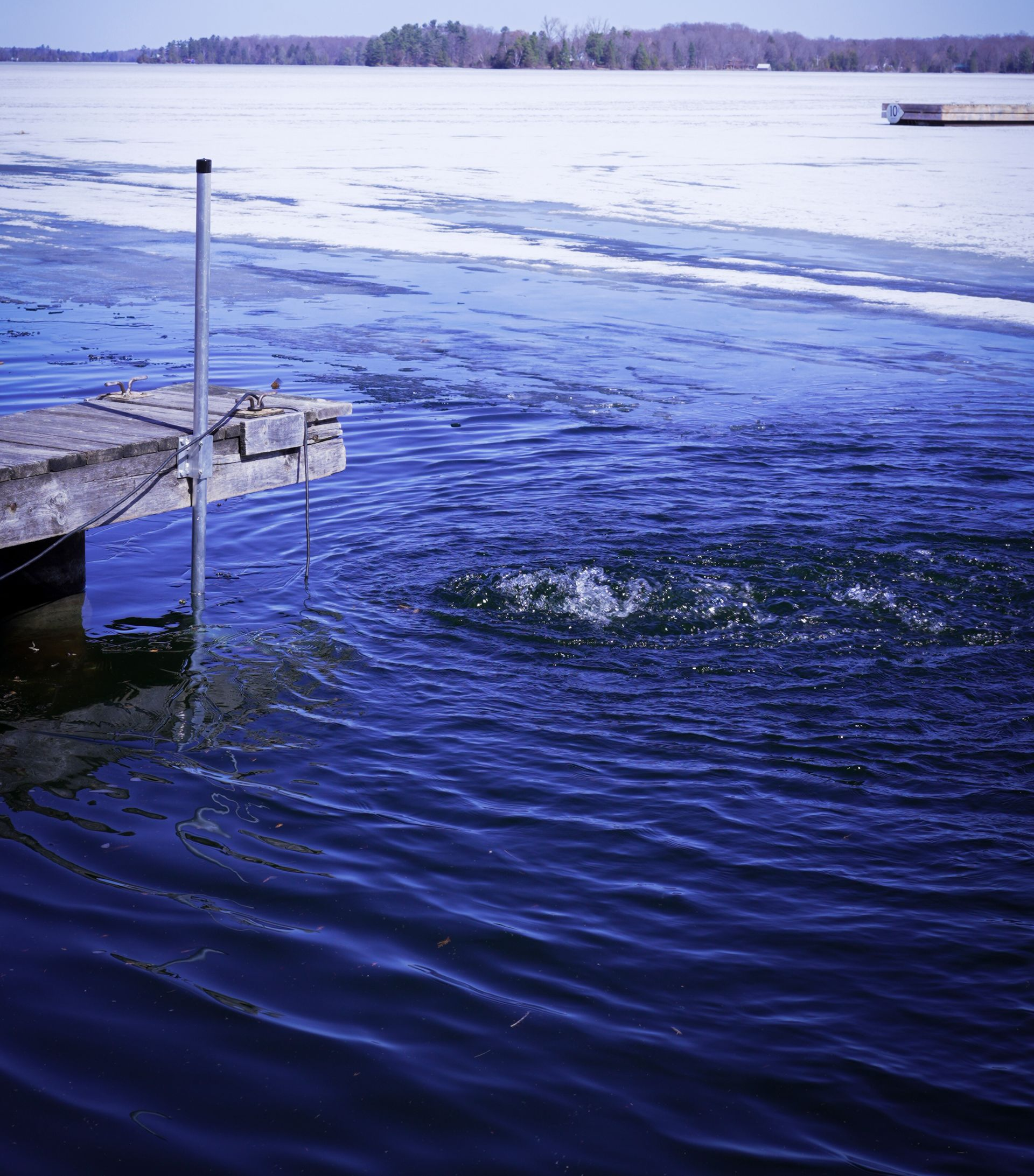
A mild winter doesn't place the same demands on a dock de-icer as a winter with prolonged freezing temperatures and heavy ice formation.
Water depth, wind exposure, shoreline shape, and ice conditions all influence how your waterfront behaves throughout the season.
That's why it's difficult to compare one property directly to another.
A system that's ideal for one shoreline may perform differently at another simply because the conditions aren't the same.
Organizations like
Watersheds Canada encourage waterfront owners to understand the unique characteristics of their shoreline before making long-term management decisions.
Looking Beyond the Monthly Hydro Bill
It's natural to focus on electricity costs when comparing dock de-icers.
But it's also worth thinking about what the system is there to protect.
For many waterfront owners, the goal is to reduce the risk of ice pressure around permanent docks, boat lifts, pilings, and other waterfront structures during the winter months.
Like any piece of equipment, the operating cost is only one part of the overall investment.
Proper placement is another important factor. A well-positioned dock de-icer is better able to direct water movement where it's needed most, which is why placement is just as important as choosing the correct model. You can learn more in
Where to Place a Dock De-Icer for Maximum Ice Protection.
Think About the Full Winter, Not Just the Power Bill
When people ask how much a dock de-icer costs to run, they're usually trying to answer a bigger question:
"Is it worth operating all winter?"
The answer depends on your waterfront, your winter conditions, and what you're trying to protect.
Rather than comparing a single electricity cost, consider the overall value of protecting your dock and waterfront infrastructure throughout the season.
Every shoreline is different, and understanding those differences is one of the best ways to make an informed decision before winter arrives.
The
Nature Conservancy of Canada provides educational resources about Canada's freshwater environments and the importance of understanding the unique characteristics of different shorelines.