
Why Are There So Many Mosquitoes Around My Dock? (And How to Cut Them Down)
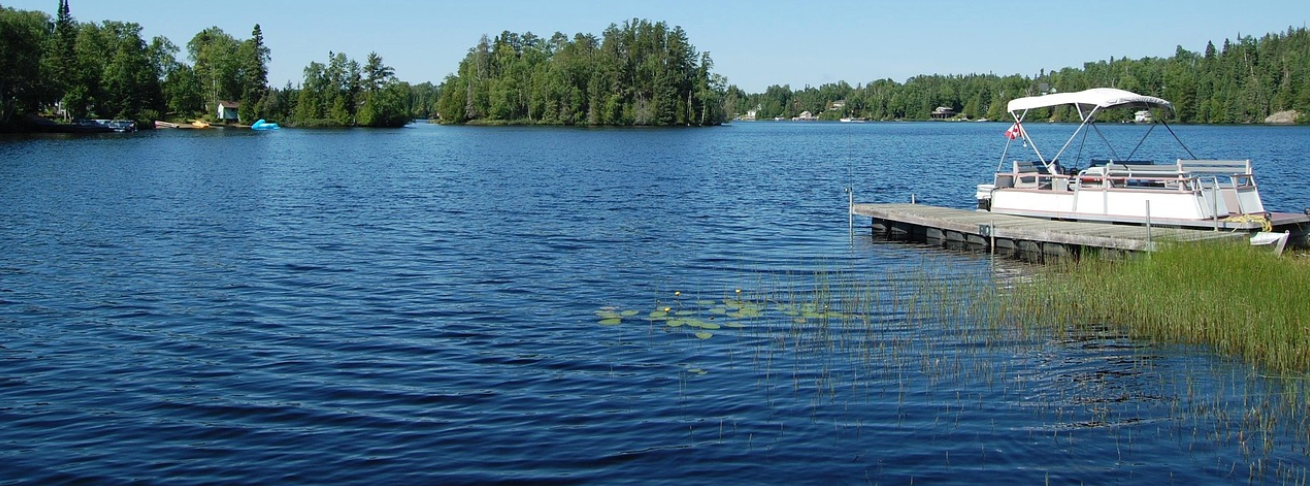
You finally sit down at the dock to enjoy a summer evening, and within minutes you are swatting, scratching, and heading back inside. If the mosquitoes always seem worst right at your waterfront, it is not your imagination. The area around a dock often creates the exact conditions mosquitoes need to breed and multiply.
Here is why they swarm your dock, and what actually reduces them, without fogging your yard in chemicals.
Mosquitoes are not visiting. They are breeding.
The mosquitoes bothering you at the dock are often hatching just a few steps away. Mosquitoes lay their eggs in or beside still water, and the larvae have to develop at the surface of calm water before they can fly. The whole cycle, from egg to biting adult, can take as little as a week in warm summer conditions, and a single female can lay dozens of eggs at a time.
That is why the fix is not just about repelling the adults you can see. It is about removing the still water where the next generation is being born. Public health agencies say the same thing: the
Government of Canada and the
Province of Ontario both list eliminating standing water as the single most effective way to reduce mosquito numbers around your property.
Why your dock is a mosquito magnet
A few features of a typical waterfront line up perfectly with what mosquitoes look for:
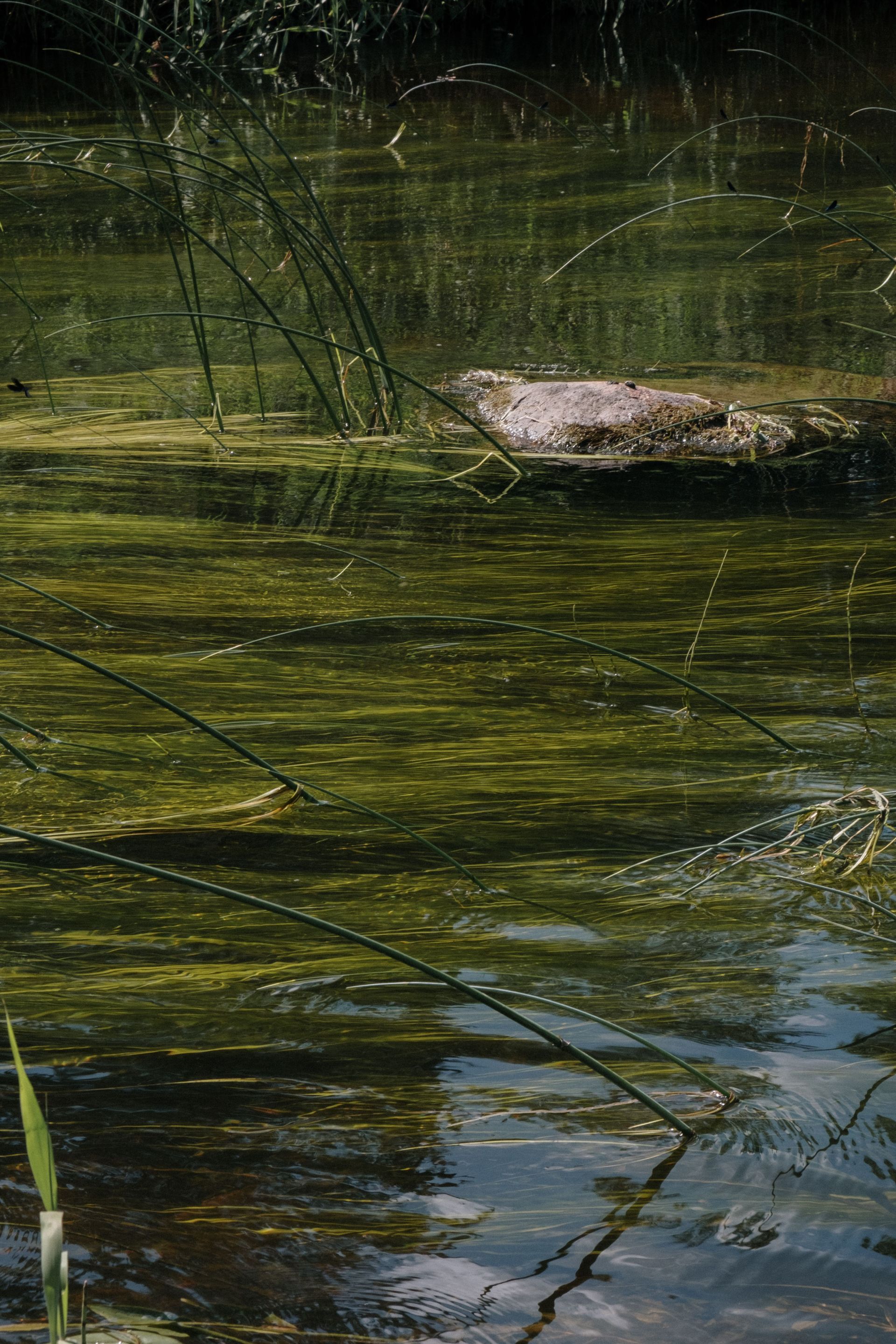
- Still, sheltered water. Docks block wind and waves, so the water beside and beneath them sits calm. Mosquito larvae need that calm surface to survive. Moving, choppy water drowns and disperses them.
- Warm, shallow edges. The shallows near shore warm up fast in summer, which speeds up the breeding cycle.
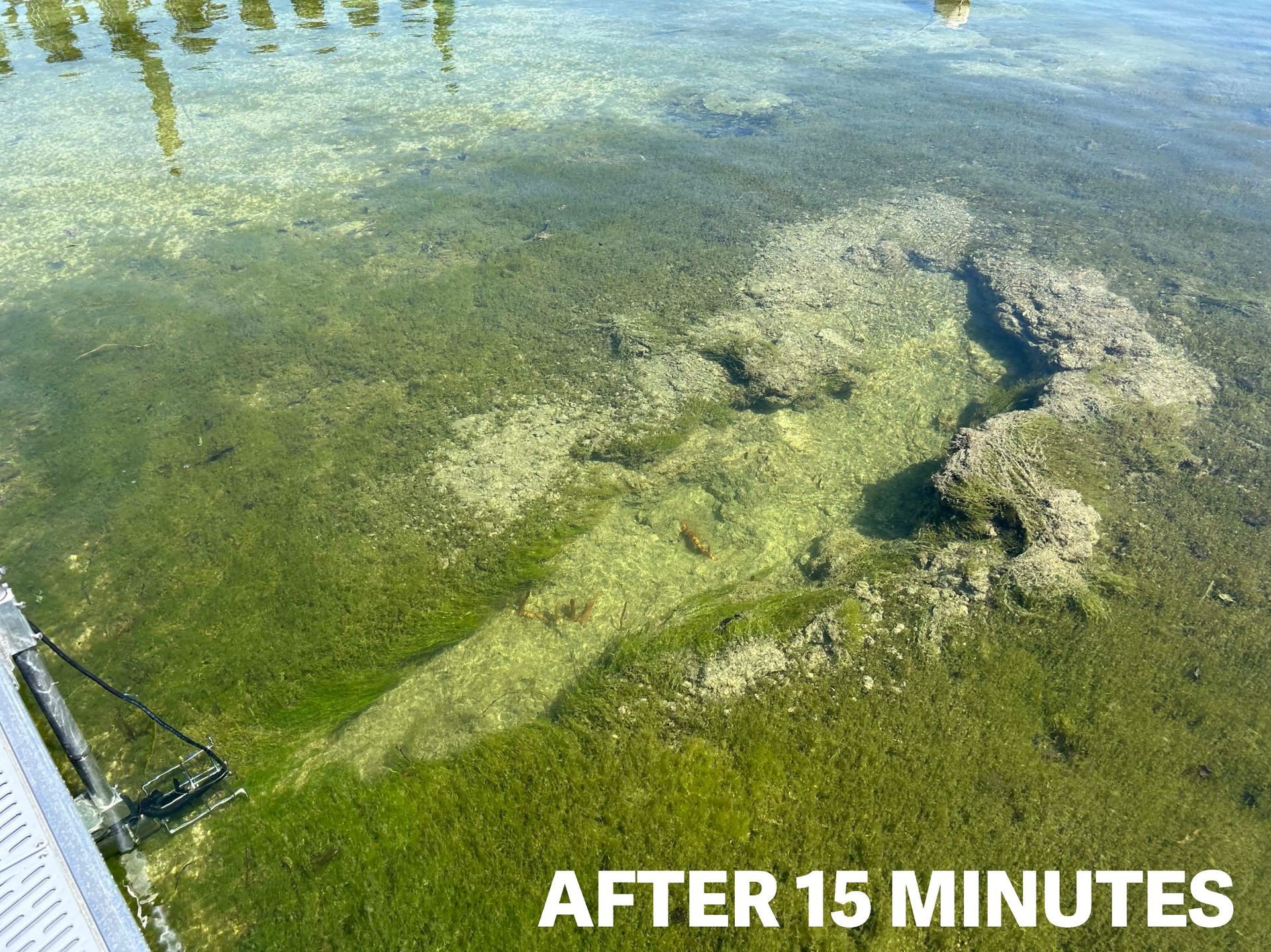
- Weeds and organic debris. Aquatic weeds, decaying leaves, and floating scum give larvae food and hiding places from fish and other predators. A weedy, mucky shoreline is a nursery.
- Nearby standing water. Buckets, tarps, old tires, clogged eavestroughs, upturned kayaks, and low spots that hold rainwater are classic breeding sites, and they are often clustered around a dock or boathouse.
Put those together and your dock is not just where you notice mosquitoes. It is often where they are made.
How to actually cut mosquitoes down at the waterfront
There is no single trick that eliminates every mosquito, since adults can fly in from surrounding areas. But you can dramatically reduce how many are breeding on your own shoreline by attacking their nurseries.
1. Empty every source of standing water. Walk your property and tip out or remove anything holding water: buckets, boat covers, tarps, planters, kids' toys, old tires, wheelbarrows. Keep eavestroughs clear. This is the highest-impact step and it costs nothing.
2. Keep your shoreline from turning into swamp. Weedy, mucky, stagnant shallows are prime breeding habitat. Reducing that overgrowth removes the food and shelter larvae depend on. (Our guide on
getting rid of lake muck around your dock covers this in detail, since muck and mosquitoes share the same stagnant-water root cause.)
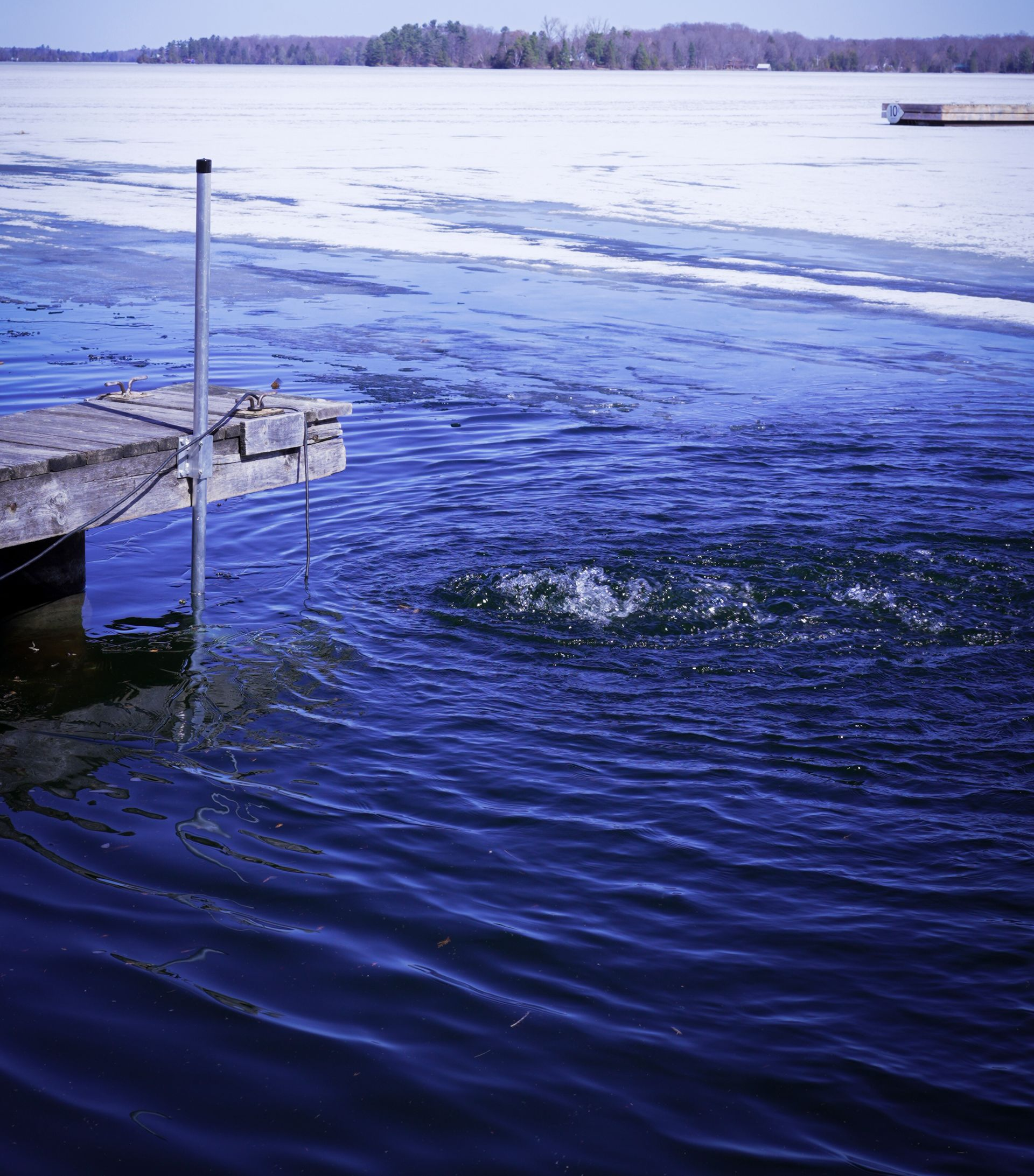
3. Keep the water moving. This is the piece most people miss. Mosquito larvae cannot develop in water that is constantly moving. Introducing steady circulation into the calm, sheltered water around your dock disrupts the surface larvae need, so the shallows stop working as a breeding ground.
It is worth being honest: moving your waterfront's water will not stop a mosquito that flew in from the neighbour's ditch. What it does is take your own shoreline out of the breeding equation, which cuts down the population being born right where you spend your evenings.
How Arbrux helps keep the water moving
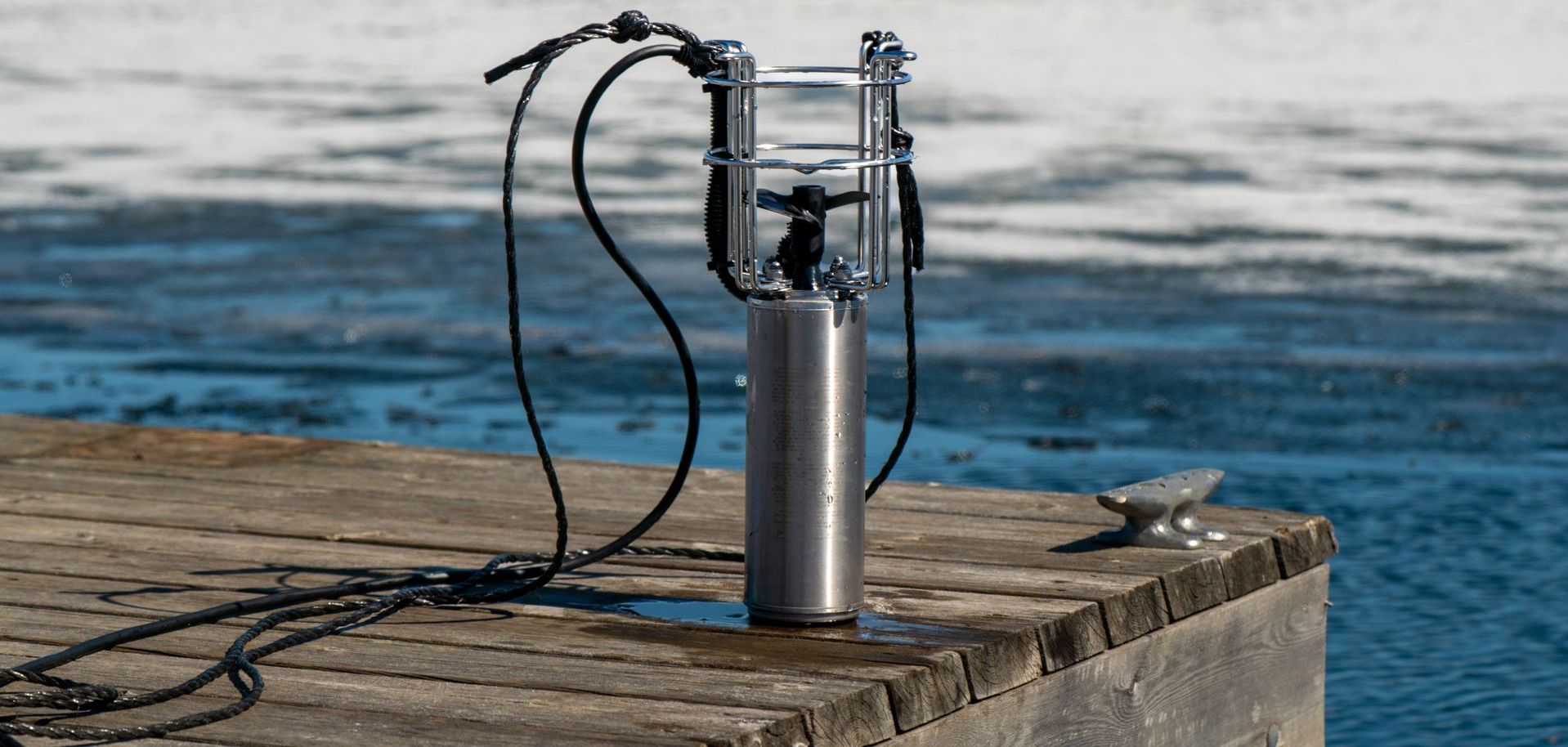
Arbrux builds circulators and oscillators in Canada that create exactly the kind of continuous water movement that calm, breeding-friendly shallows lack.
The 360 degree Oscillator (surface movement across the shoreline)
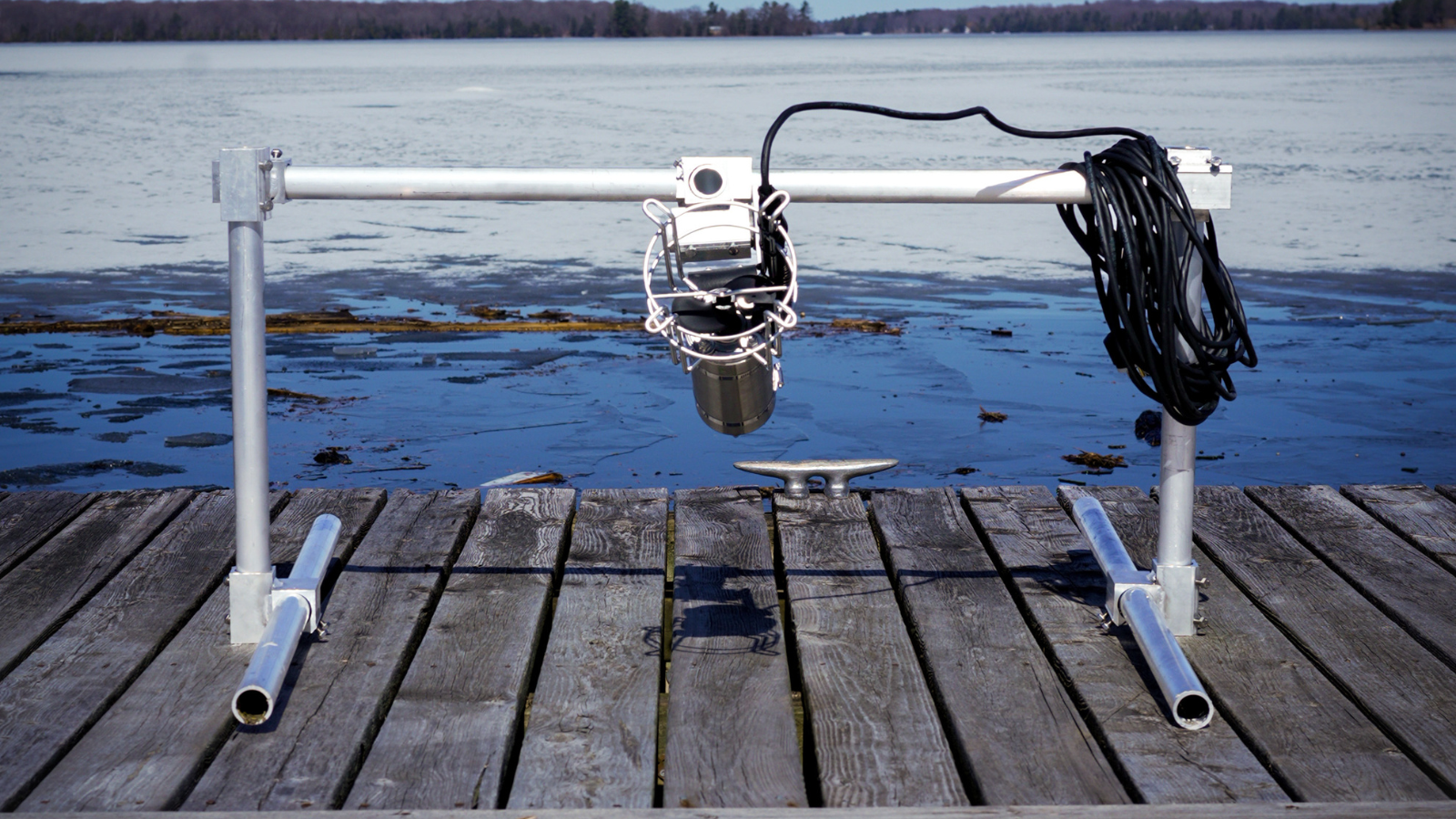
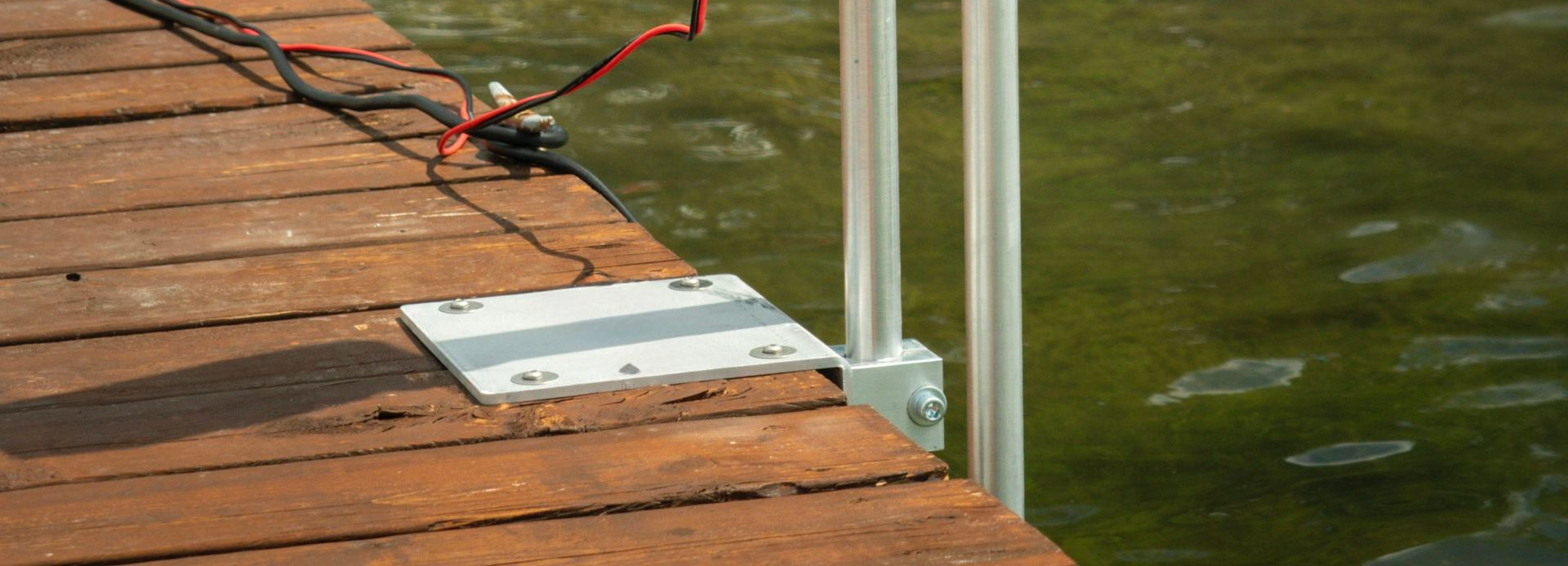
The Arbrux 360 degree Oscillator sweeps water in a wide arc across your shoreline and swimming area, keeping the surface moving and pushing away the floating debris and calm pockets larvae rely on. It comes complete with Arbrux mounting brackets.
The Arbrux Water Circulator (constant circulation)
The
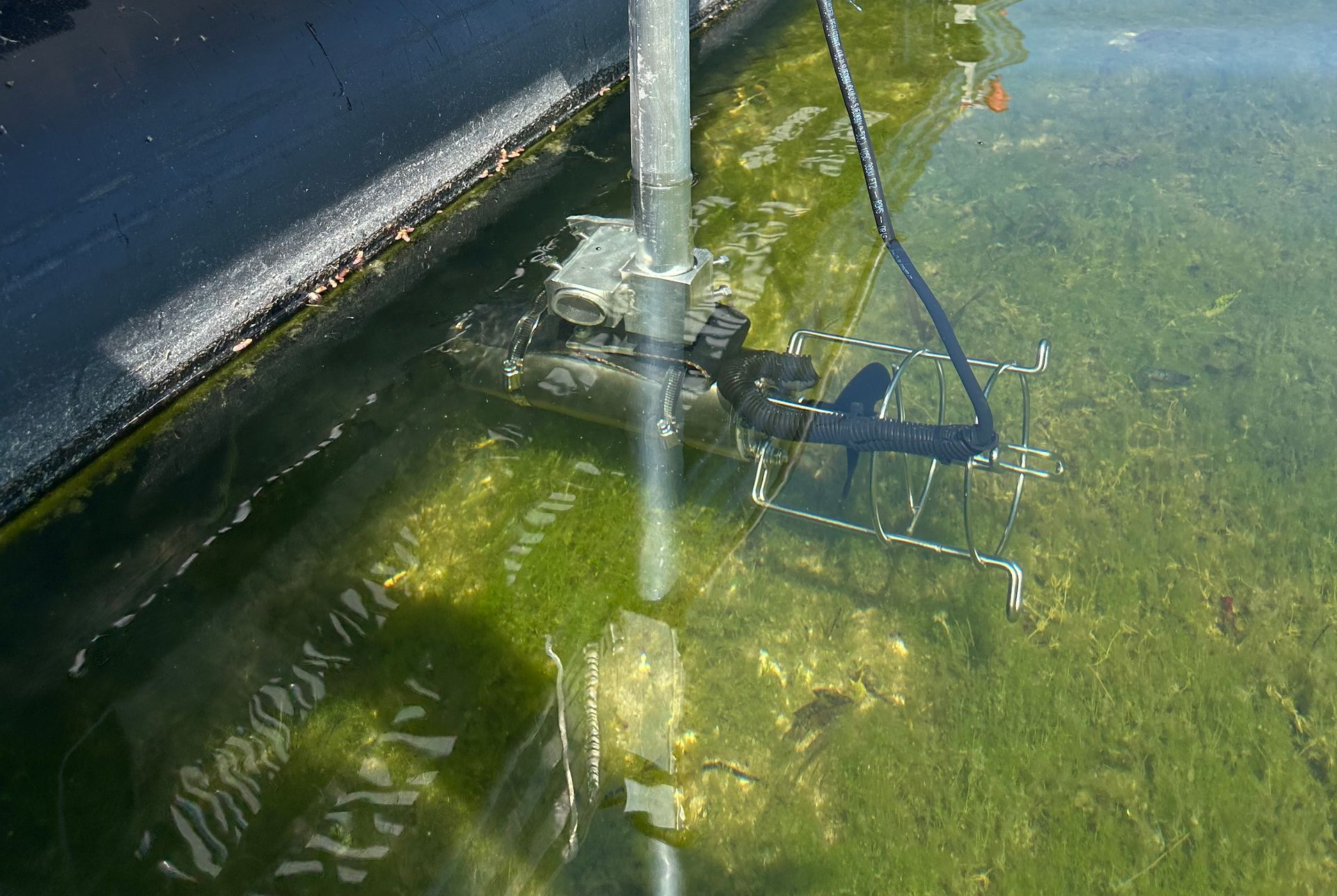
Arbrux Circulator drives continuous circulation across up to a 60-foot-diameter area, keeping the water around your dock in constant motion and discouraging the stagnation mosquitoes need.
- Water-cooled, water-lubricated motor for continuous, maintenance-free operation
- Welded stainless steel motor mount for durability
- 1/2 HP, 115V, UL and CSA certified
- 2-year warranty, mooring ropes included
- Available in 25 ft, 50 ft, and 100 ft cable lengths
The Lake Bottom Bundle (no dock required)
If the stagnant spot is out along your shore or you have no dock to mount from, the
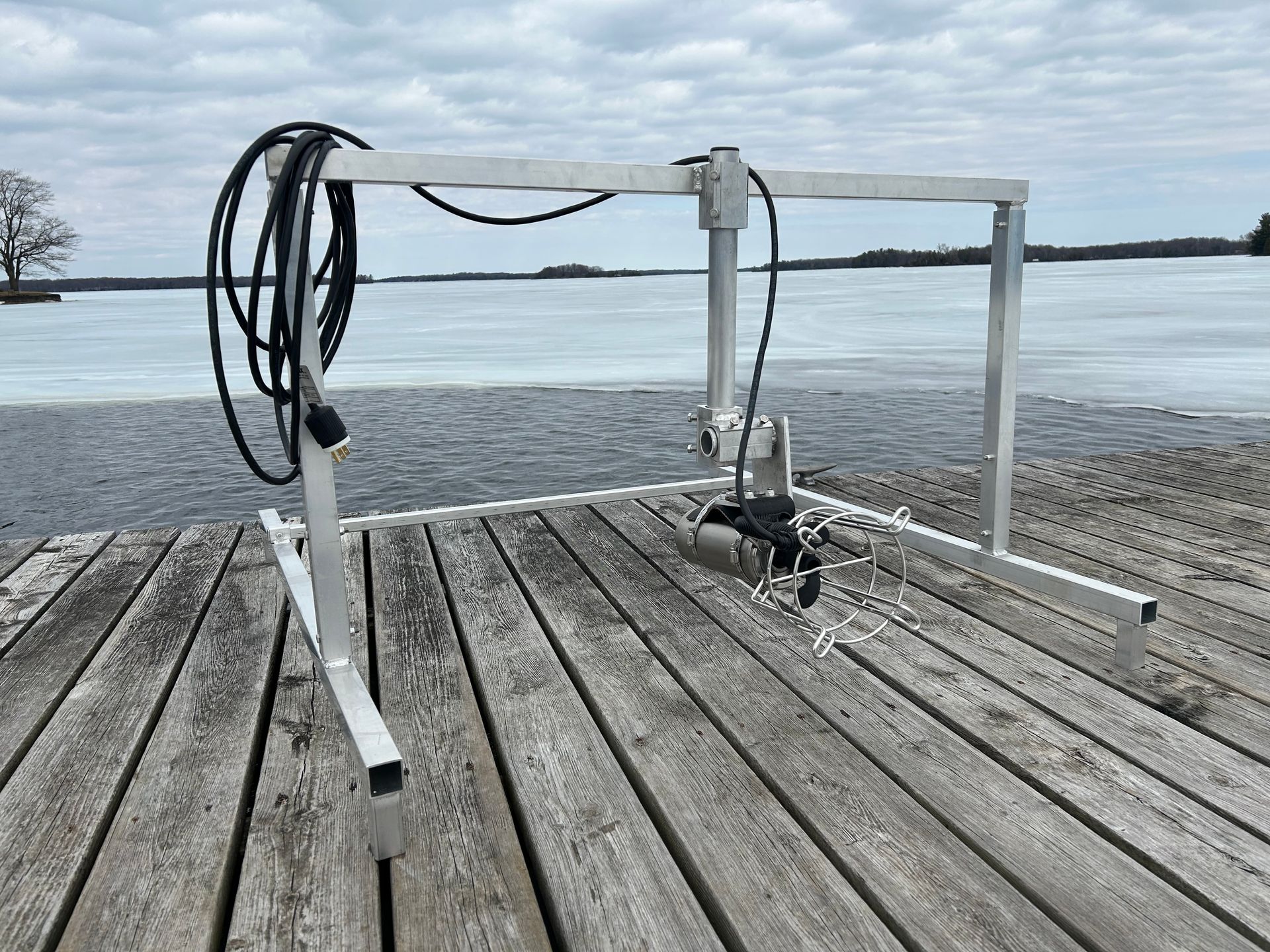
Lake Bottom Bundle pairs an Arbrux pump with a free-standing, fully adjustable mount you can place and aim anywhere. It also works as a de-icer in winter, so it earns its keep year-round.
Take your shoreline out of the mosquito equation
Mosquitoes swarm your dock because the calm, sheltered, weedy water there is close to ideal for breeding. Empty the standing water around your property, keep your shoreline from going to swamp, and get the water moving, and you take away the nursery that produces so many of the mosquitoes ruining your evenings.
Not sure what setup would keep your waterfront moving?
Contact the Arbrux team and we will help you match a circulator or oscillator to your dock and water depth.