
Why Does My Dock Area Feel Slimy by Mid-Summer?
Every summer, it seems to happen at about the same time.
You step onto the dock ladder, walk along the shoreline, or wade into the water and immediately notice it. Surfaces that felt clean earlier in the season now feel slippery underfoot.
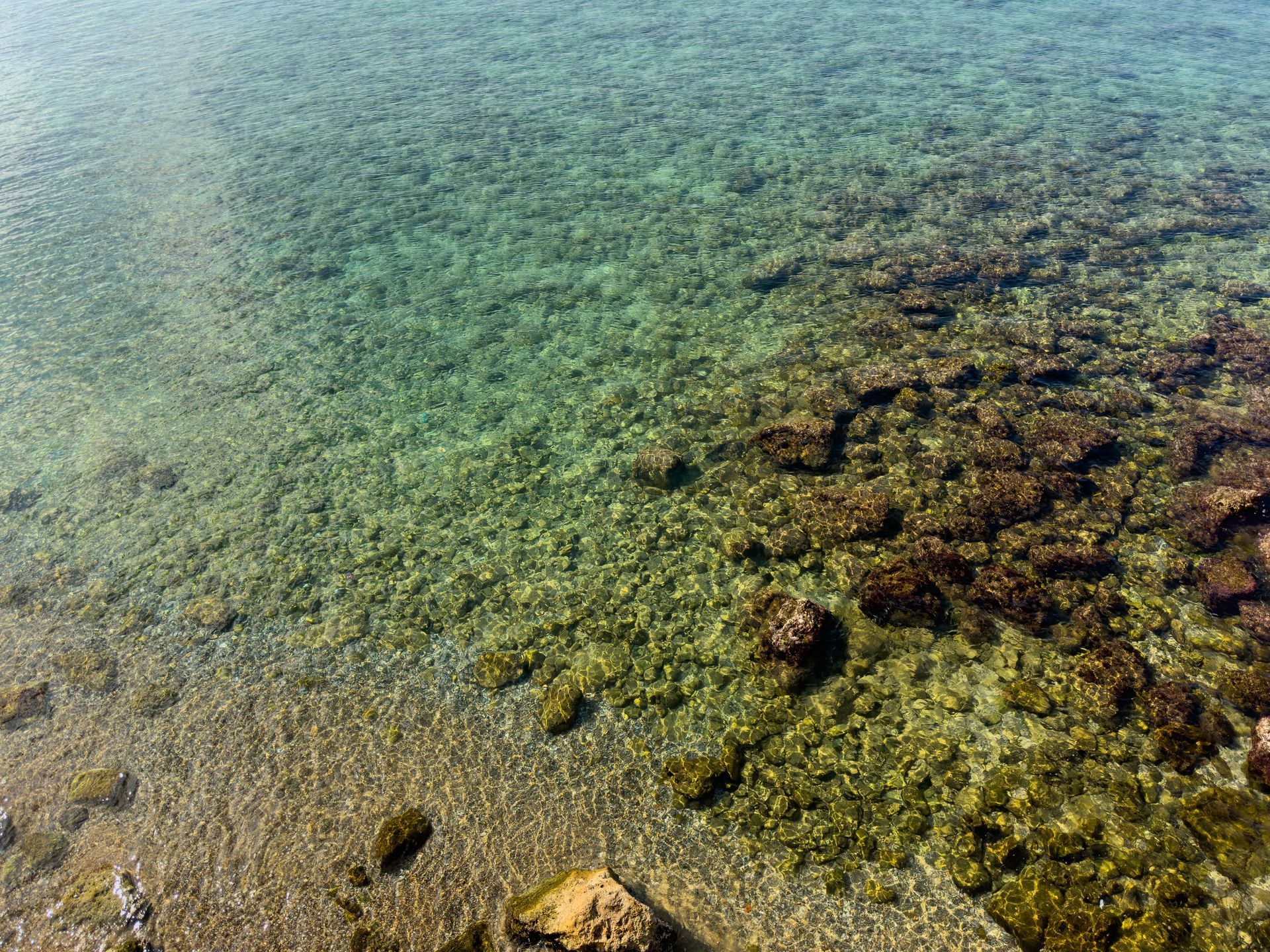
The dock posts have a slick coating. Rocks near shore feel different than they did in the spring. Even the lakebed can seem more slippery in certain areas.
For many waterfront owners, this is one of the most noticeable seasonal changes around a shoreline.
It Usually Doesn't Appear Overnight
The slippery feeling that develops around docks and shorelines is often something that builds gradually over time.
Early in the season, cooler water temperatures and changing conditions can make these surfaces feel relatively unchanged. As summer progresses, however, natural growth begins to develop on surfaces that remain in or near the water.
Because these changes happen slowly, many people only notice them once they become significant enough to affect how the area feels.
Where It Is Most Commonly Noticed
Not every part of a waterfront develops the same conditions.
The slippery feeling is often noticed on:
- Dock posts
- Swim ladders
- Shoreline rocks
- Retaining walls
- Shallow lake bottoms
- Boat launches
These surfaces spend extended periods in contact with water, making them some of the first places where seasonal changes become noticeable.
The
Canadian Wildlife Federation provides educational resources on freshwater ecosystems and the many seasonal changes that occur in aquatic environments throughout the year.
What You're Actually Feeling
When people describe a dock area as slimy, they're usually referring to a thin layer of naturally occurring growth that develops on submerged surfaces.
Depending on the waterfront, this can include:
- Algae
- Biofilm
- Organic material
- Fine sediment trapped against surfaces
The exact appearance varies from property to property. In some areas, it may be barely visible. In others, it can create a noticeably slippery surface.
These conditions are often associated with warmer temperatures and seasonal growth cycles that become more active as summer progresses.
Why Some Waterfronts Experience More of It
Two neighbouring waterfronts can behave very differently.
Factors that influence shoreline conditions include:
- Water depth
- Sunlight exposure
- Shoreline shape
- Nearby vegetation
- Seasonal water levels
- Water movement
As a result, one shoreline may remain relatively unchanged while another develops more noticeable growth on docks, rocks, and other structures.
Organizations such as
Watersheds Canada continue to provide resources that help waterfront owners understand how shoreline characteristics influence waterfront conditions over time.
Why It Often Returns Every Year
One of the most common frustrations among waterfront owners is that the problem seems to return no matter how thoroughly surfaces are cleaned.
This happens because many shoreline conditions follow predictable seasonal patterns.
The same factors that contribute to slippery surfaces one summer are often present again the following year. As temperatures rise and conditions change, similar patterns can reappear around docks and shoreline structures.
What People Often Notice Alongside It
The slippery feeling is rarely the only change people notice around their waterfront.
Many waterfront owners who observe slimy dock posts or slippery lake bottoms also begin noticing other seasonal patterns.
In some areas, the lakebed may feel softer underfoot, similar to the conditions discussed in Why Is the Bottom Around My Dock So Soft?
Others notice differences in water clarity throughout the season, particularly near docks and shoreline structures, which is explored in Why Does Water Around My Dock Look Dirtier Than the Rest of the Lake?
Looking at the Bigger Picture
A slippery dock area is often just one of many seasonal changes that occur around a waterfront.
Most of these changes develop gradually and are influenced by a combination of weather, temperature, shoreline characteristics, and how water behaves throughout the season.
The Federation of Ontario Cottagers' Associations provides educational information that helps waterfront owners better understand the factors that influence changing shoreline conditions across Ontario.
Understanding Seasonal Shoreline Changes
Every waterfront evolves throughout the year.
What feels clean and firm in the spring may feel different by mid-summer. Rocks become slippery, surfaces change, and patterns begin to emerge that many property owners recognize year after year.
Understanding these changes can help explain why some waterfront conditions appear consistently in the same locations and during the same parts of the season.