
Why Does Water Around My Dock Look Dirtier Than the Rest of the Lake?
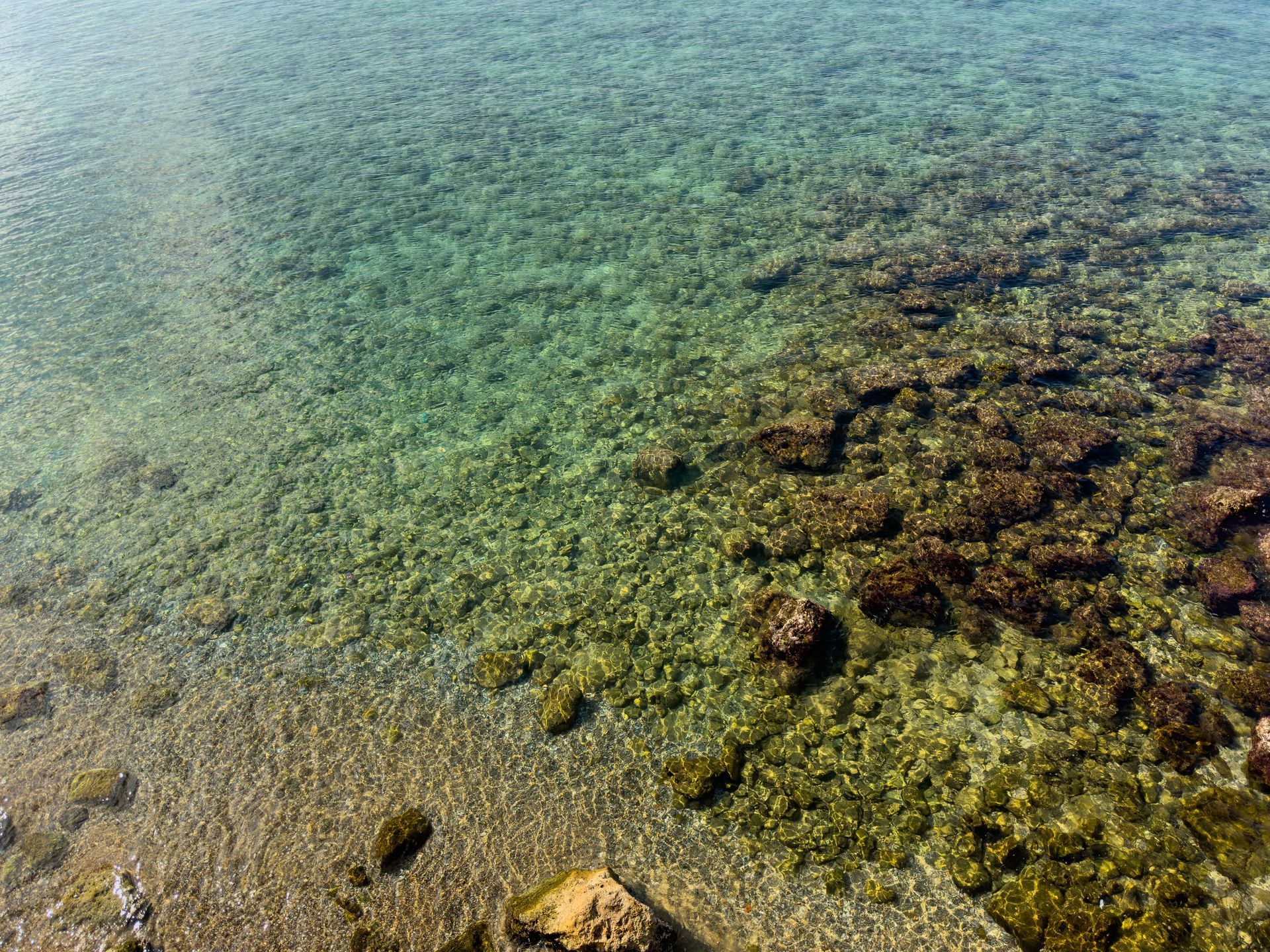
From the shoreline, the lake can appear perfectly clear.
A few steps farther out, the water still looks clean. The surface is calm, sunlight reflects across the lake, and everything seems normal.
Then you look around the dock.
The water appears darker. Sediment stirs up more easily. After a windy day or a busy weekend on the water, the area may look noticeably different from the rest of the shoreline.
It's a common observation among waterfront property owners, especially during the warmer months.
The Difference Isn't Always in the Water
When people notice murky or dirty-looking water around a dock, it's easy to assume something has recently entered the lake.
In many cases, what they're seeing is not new material at all.
Waterfront areas naturally collect sediment, organic debris, and fine particles over time. Depending on the shape of the shoreline and how water moves through the area, these materials can become more concentrated in certain locations than others.
This is one reason two sections of the same property can appear very different despite sharing the same body of water.
Watersheds Canada regularly highlights the importance of understanding shoreline conditions and how different waterfront environments behave over time.
What Happens Around Docks
Docks change the way people use a waterfront, but they can also influence how water behaves nearby.
Boat traffic, swimming activity, wave action, and seasonal changes all affect the area surrounding a dock. In some locations, water naturally circulates through these spaces. In others, movement can be more limited.
Over time, fine sediment and organic material may become more noticeable around structures where conditions differ from surrounding open water.
These changes are often gradual. Many property owners only notice them after comparing one section of their shoreline to another.
Why Some Areas Stay Clearer Than Others
No two waterfronts are exactly alike.
Even within a single property, factors such as:
Water depth
Shoreline shape
Exposure to wind
Nearby vegetation
Seasonal water levels
can influence how conditions develop.
This helps explain why one section of shoreline may remain relatively clear while another experiences more visible sediment disturbance or reduced clarity.
Organizations such as the Federation of Ontario Cottagers' Associations continue to provide resources that help waterfront owners better understand the many factors that influence shoreline conditions.
The Role of Water Movement
One of the most noticeable differences between waterfront areas is how water moves through them.
In open sections of a lake, wind and natural currents often help distribute fine particles across a larger area. Around docks, bays, and more protected shoreline sections, those same conditions may not always be present.
As a result, sediment and organic material can become more noticeable in localized areas.
This is often why two locations only a short distance apart can look very different despite being connected to the same lake.
Understanding how water behaves around structures is one factor that can influence equipment placement and overall waterfront planning. Similar considerations are discussed in Where to Place a Dock De-Icer for Maximum Ice Protection, where water movement patterns play a role in system performance.
Why Conditions Can Change Throughout the Summer
Many waterfront owners notice that water clarity changes as the season progresses.
What appears clear in May may look different by July or August.
Increased recreational activity, warmer temperatures, seasonal plant growth, and changing weather patterns all contribute to how waterfront areas look and feel over time.
These shifts are not necessarily signs of a problem. They are often part of the natural changes that occur throughout the season.
The Canadian Wildlife Federation provides educational resources on freshwater ecosystems and the seasonal factors that influence aquatic environments across Canada.
Looking Beyond the Surface
When water around a dock appears dirtier than the rest of the lake, the answer is often found beneath the surface.
Water depth, shoreline shape, sediment behaviour, seasonal conditions, and movement patterns all contribute to what people see from the dock.
The visible difference may only be a few feet wide, but it can reflect conditions that have been developing gradually over months or even years.
Understanding how those conditions form is often the first step toward understanding why one area of a waterfront behaves differently than another.
Water movement is one of the factors that continues to shape shoreline conditions throughout the season, particularly in areas where sediment and organic material become more noticeable over time. The relationship between circulation and waterfront conditions is explored further in Water Circulators and Oscillators: How They Work Together to Improve Waterfront Conditions.
What Waterfront Owners Often Notice Next
Once people begin paying attention to water clarity around their dock, they often start noticing other patterns as well.
Changes in sediment, plant growth, and shoreline conditions tend to become more apparent over time, especially in areas where water behaves differently than the rest of the lake.
Many of the same factors that influence water clarity can also influence how equipment performs in different waterfront environments. These considerations are explored in How to Choose the Right Size Dock De-Icer for Your Waterfront.